
Loading...
Loading...
 BACK
BACK2026-01-06
Care Home
Climate change is no longer a distant environmental concern - it is a daily reality affecting how we live, breathe, and stay healthy. While rising temperatures, unpredictable weather, and worsening air quality impact everyone, older adults are often the most vulnerable to these changes. With age, the body becomes less able to adapt to environmental stress, making seniors more sensitive to heat, pollution, infections, and sudden climate shifts.
Across India and globally, families are noticing new health challenges among their elderly loved ones - from increased fatigue during hotter months to breathing difficulties caused by poor air quality. These issues affect not only physical health but emotional well-being, independence, and overall quality of life.
This growing concern has also encouraged families to think more proactively about preventive healthcare, safer living environments, and structured support systems - including exploring suitable health plans for senior citizens that provide access to regular checkups, emergency care, and climate-related health protection.
Understanding how climate change affects seniors and what we can do about it is essential - not just for today, but for building a safer and healthier future for our aging population.
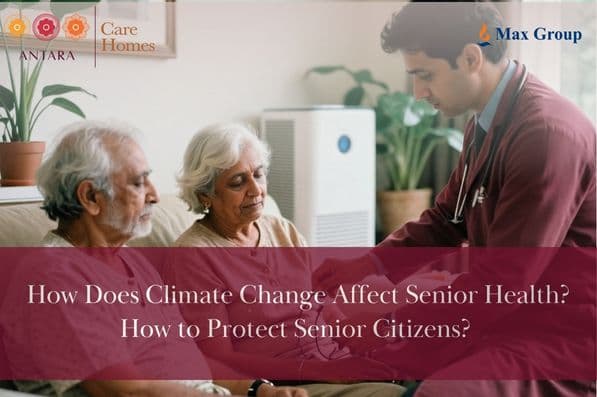
Climate change refers to long-term changes in temperature, rainfall patterns, extreme weather events, and environmental conditions. These shifts are driven by rising greenhouse gas emissions and global warming, leading to hotter summers, stronger storms, frequent floods, droughts, and declining air quality.
For seniors, these environmental changes are not just uncomfortable - they can be dangerous. Older adults often have reduced immunity, slower body temperature regulation, and chronic conditions such as heart disease, diabetes, or lung disorders. This makes it harder for their bodies to cope with extreme heat, polluted air, or sudden weather changes.
As climate change accelerates, its health effects on seniors are becoming more visible and more serious - making awareness, prevention, and preparedness more important than ever.
Rising temperatures increase the risk of heat exhaustion, dehydration, heatstroke, and worsening heart conditions. Seniors sweat less and may not feel thirsty even when dehydrated, making them more vulnerable during heatwaves.
Climate change contributes to higher air pollution, wildfire smoke, and pollen levels. This can trigger asthma, bronchitis, COPD, and other respiratory illnesses in older adults. Even mild pollution can cause fatigue, coughing, and breathlessness.
Floods and extreme rainfall can contaminate water sources, leading to gastrointestinal infections. Warmer temperatures also support the spread of mosquitoes and disease-carrying insects, increasing the risk of dengue, malaria, and other illnesses.
Extreme weather events, displacement, and prolonged isolation during harsh seasons can increase anxiety, depression, confusion, and sleep disturbances in seniors. Environmental stress also affects cognitive health over time.
Climate stress can worsen diabetes, hypertension, arthritis, and cardiovascular diseases by increasing physical strain on the body and limiting outdoor activity, mobility, and access to healthcare.
Specialized senior assisted communities such as Antara Care Homes focus on designing environments that protect residents from climate-related health risks.
They implement climate-responsive infrastructure including temperature-controlled living spaces, air purification systems, backup power supplies, and water purification facilities. These measures ensure comfort and safety even during extreme heat, pollution spikes, or power outages.
Medical teams closely monitor hydration, vitals, respiratory health, and mobility, especially during seasonal changes. Emergency protocols, telemedicine access, and round-the-clock care staff ensure early detection of any climate-triggered health issues.
Additionally, residents benefit from wellness programs, indoor exercise, mental stimulation, and community engagement - all of which help maintain emotional well-being even when outdoor conditions are harsh.
Homes should be designed with proper insulation, ventilation, green spaces, and energy-efficient cooling systems to maintain comfortable temperatures and reduce pollution exposure.
Regular screenings, vaccinations, respiratory assessments, and nutrition guidance help prevent climate-related complications. Many families also choose structured health plans for senior citizens to ensure continuity of care and emergency support.
Local communities can organize wellness camps, heatwave alerts, pollution warnings, and home-visit programs for seniors living alone.
Governments can invest in climate-resilient healthcare systems, senior-friendly public spaces, and emergency response programs focused on elderly populations.
Simple steps like checking hydration, adjusting medication during heat, ensuring clean air indoors, and offering emotional support make a significant difference.
Over time, repeated exposure to heat, pollution, and environmental stress weakens immunity, worsens chronic illnesses, and increases vulnerability to infections and cardiovascular conditions. It can also accelerate physical decline and increase healthcare needs.
Climate change reduces outdoor mobility, disrupts sleep due to heat, increases respiratory discomfort, and can cause emotional distress due to isolation or environmental anxiety. This lowers overall quality of life and independence.
Clean air, safe water, stable temperatures, and green surroundings support mobility, heart health, and emotional calm. Poor environmental conditions increase fatigue, illness, anxiety, and depression, making daily life harder for seniors.
Best Stroke Rehabilitation Centre in Bangalore: Recovery, & ...
Best Stroke Rehabilitation Centre in Chennai: Recovery, & Co...

How to Safely Get Out of Bed After Open Heart Surgery

Best Physiotherapy Exercises for Shoulder Pain at Home

Best Physiotherapy at Home Services in Bangalore

Please fill in the form and submit the details to request an appointment.