Loading...
Loading...
 BACK
BACK2024-12-27
Antara
The healthcare landscape is evolving rapidly, with care at home services emerging as a transformative solution.
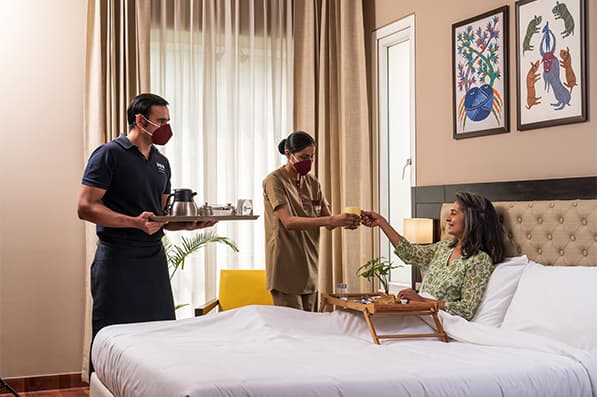
Healthcare delivery is gradually moving beyond traditional hospital settings toward more decentralised and home-based models of care. Advancements in technology, remote monitoring systems, teleconsultation support, and portable medical equipment have made it possible for patients to receive professional healthcare services in the comfort of their homes.
This shift is especially important for seniors, patients recovering after hospitalisation, individuals with chronic illnesses, and those requiring long-term support. Home-based care allows patients to remain in familiar surroundings while still receiving structured clinical and caregiving assistance.
As healthcare demand increases, hospital systems across the world continue to face pressure related to bed availability, long-term patient management, and rising healthcare costs. Decentralised care models help reduce this burden by supporting recovery, monitoring, and rehabilitation outside the hospital environment whenever clinically appropriate.
Home healthcare services also help reduce repeated hospital visits for patients who require ongoing support but do not necessarily need continuous hospital admission.
For elderly individuals and patients with weakened immunity, prolonged hospital stays may increase exposure to hospital-acquired infections. Receiving care at home can help reduce unnecessary exposure while allowing patients to recover in a safer and more comfortable environment.
Home healthcare services provide more personalised attention through one-on-one nursing and caregiving support. Care plans can be tailored according to the patient’s medical condition, recovery goals, medication schedule, mobility level, and emotional needs. This personalised approach often improves patient comfort, continuity of care, and family involvement.
Long-term hospital stays can become financially challenging for many families. Home-based care services often provide a more cost-effective alternative for recovery, rehabilitation, chronic disease management, palliative care, and elderly support. Families can also remain more actively involved in the care journey while patients recover in a familiar setting.
Modern care-at-home services now include a wide range of support systems such as post-hospitalisation care, physiotherapy, medication management, chronic disease monitoring, elderly assistance, rehabilitation support, and palliative care services. This integrated approach helps create a more patient-centric healthcare experience.
By combining clinical expertise with compassionate caregiving, decentralised home healthcare models are helping reshape the future of healthcare delivery into one that is more accessible, personalised, and supportive for both patients and families.
The transition toward decentralised healthcare reflects changing patient expectations, evolving family structures, and advancements in healthcare technology. Patients today increasingly prefer care models that offer convenience, comfort, continuity, and personalised support.
Hospital-quality home care services help bridge the gap between clinical expertise and everyday living by delivering professional healthcare directly into the home environment. As these models continue to grow, they are expected to play an increasingly important role in improving recovery experiences, reducing healthcare burden, and supporting healthier ageing with dignity.

Please fill in the form and submit the details to request an appointment.