Loading...
Loading...
 BACK
BACK2024-10-04
Antara
As parents age, their daily health and lifestyle needs also evolve significantly. For some, it may also require more attention and specialised care, especially if they have ongoing medical conditions.

Choosing the right senior care service begins with understanding your parent’s daily healthcare and lifestyle needs. Some seniors may only require companionship, assistance with meals, mobility support, medication reminders, or help with routine daily activities. Others may require specialised nursing care, rehabilitation support, chronic disease management, post-operative care, or continuous medical supervision.
Evaluating the senior’s physical condition, emotional wellbeing, mobility limitations, cognitive health, and level of independence can help families identify the most appropriate type of care support. Determining whether non-medical caregiving or skilled nursing care is required is often the first step toward building an effective long-term care plan.
Once families understand the level of care required, the next step is evaluating senior care providers carefully. Families should look for organisations with trained caregivers, experienced nursing teams, positive reviews, transparent processes, and a strong reputation in elderly care.
It is also important to assess whether caregivers are trained to support specific senior conditions such as dementia, mobility limitations, neurological disorders, post-surgical recovery, or chronic illnesses. Qualified professionals with appropriate clinical training can significantly improve both safety and quality of care for seniors.
Every senior has different emotional, medical, and lifestyle needs. A good senior care provider should offer personalised and flexible care plans that can evolve over time according to changing health conditions and family requirements.
Families should discuss whether services can be customised based on caregiving hours, nursing requirements, physiotherapy support, emergency assistance, diagnostics, rehabilitation needs, and ongoing wellness monitoring. Caregiver compatibility and emotional connection are also important factors that influence overall wellbeing and comfort for seniors.
Transparency plays an important role while selecting a senior care provider. Families should clearly understand the pricing structure, service inclusions, emergency support policies, and any additional costs involved before beginning services.
It is also important to evaluate the provider’s approach to quality assurance, caregiver supervision, health monitoring, and emergency response systems. Reliable healthcare organisations maintain clear communication with families and ensure accountability through structured care coordination and professional support systems.
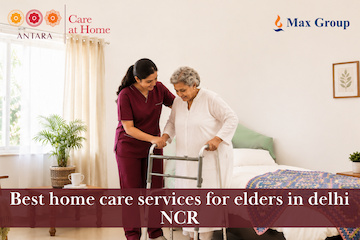
At Antara, Care at Home services are designed to support seniors through personalised care plans, nursing care, physiotherapy, post-operative recovery support, chronic disease management, and clinical wellness solutions delivered by trained healthcare professionals.
By combining compassionate caregiving, professional medical support, and personalised care coordination, home healthcare services help seniors continue living safely and comfortably within familiar surroundings while maintaining dignity and independence.
Choosing the right senior citizen care service in India requires thoughtful planning, careful evaluation, and a clear understanding of the senior’s evolving needs. The right care provider should not only offer clinical expertise but also provide emotional reassurance, safety, flexibility, and compassionate support.
By assessing healthcare needs, reviewing service quality, ensuring transparency, and prioritising personalised care, families can create a supportive environment where seniors receive the attention, dignity, and professional care they deserve while ageing comfortably at home.

Please fill in the form and submit the details to request an appointment.