Loading...
Loading...
 BACK
BACK2026-07-01
Importance of Post Operative Care in Elderly Patients
Getting through surgery is one thing. Getting through what comes after it is another.
For younger adults, the body does a reasonable amount of the recovery work on its own. For elderly patients, that's simply not how it works. The immune system is slower, the healing capacity is reduced, and the list of things that can go wrong is longer. A surgery that a 40-year-old recovers from in three weeks can take a 72-year-old three months, and only if the recovery is managed properly.
Post operative care for elderly patients isn't a comfort measure. It is a clinical necessity. And for most families, understanding that distinction is the difference between a recovery that works and one that doesn't.
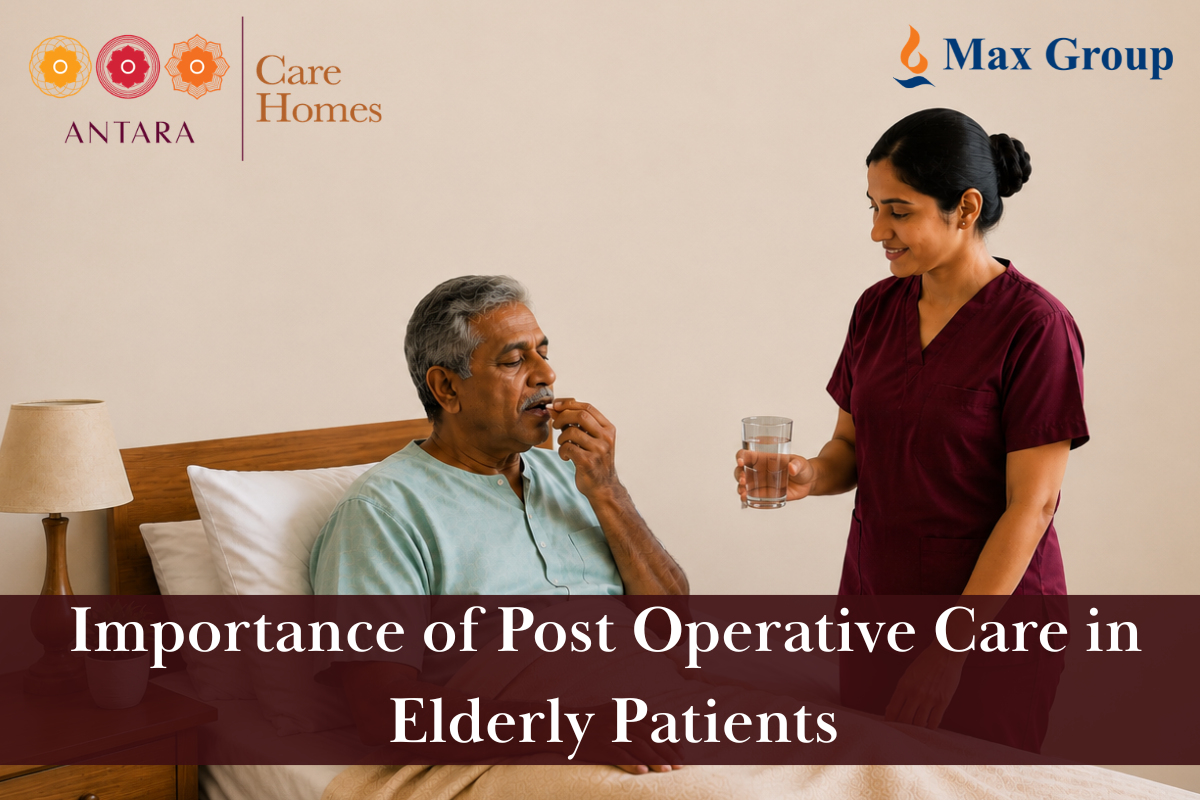
Surgery puts the body under significant stress. Anaesthesia, blood loss, tissue trauma, and the physical immobility that follows all take a toll, and in elderly patients, the body's response to that stress is slower and less predictable than in younger adults.
Here's what actually happens in the days and weeks after surgery without proper post operative care:
Wound complications develop quietly. Surgical incisions need consistent monitoring and cleaning. An infection that's caught early is manageable. One that's missed for a week in a home setting can turn into a hospital readmission, or worse.
Immobility creates its own problems. Elderly patients who aren't moved and mobilized after surgery develop blood clots, pressure sores, and pneumonia at much higher rates than those who have structured early movement. Lying still feels like rest. In medical terms, it's a risk.
Medications get complicated. Most elderly surgical patients are already managing several medications before the surgery. After surgery, new drugs are added, pain management, antibiotics, blood thinners, and the interactions need to be monitored. Missed doses and wrong timing are more common in unsupervised home recovery than families realize.
Nutrition suffers. Appetite drops after surgery. The elderly patient doesn't feel like eating. Nobody pushes them to. And without adequate protein and nutrients, tissue repair slows, muscle mass drops faster, and stamina takes longer to return.
Structured post operative care addresses all of this, not reactively, but as a planned part of recovery from day one.
Most families default to home recovery after discharge because it feels familiar and personal. That instinct is understandable. But what home recovery actually looks like for an elderly surgical patient is often very different from what the family imagined.
No one is trained for what comes up. A family member who loves the patient deeply still isn't equipped to assess whether a wound is healing normally, manage a urinary catheter, recognize signs of post-surgical delirium, or perform the right physiotherapy exercises correctly. Good intentions don't replace clinical training.
The environment isn't built for it. Most homes weren't designed for post-surgical senior care. Bathrooms without grab bars, beds at the wrong height, stairs that can't be avoided, floors that are slippery, these are fall risks that matter enormously when the patient is still unsteady on their feet and on medication that affects balance.
Caregivers burn out fast. A family member taking on full-time caregiving for a surgical patient, without relief, without training, and without clinical backup, typically starts struggling within two to three weeks. By six weeks, many are exhausted, and the quality of care the patient is receiving has dropped significantly.
Isolation sets in. Elderly patients recovering at home often spend most of the day alone or with one person. Boredom, low mood, and reduced motivation to participate in physiotherapy exercises all slow recovery in ways that are easy to overlook.
The difference between structured post operative care and unstructured home recovery shows up in real, measurable outcomes.
Fewer complications and readmissions. Continuous nursing monitoring catches infections, clots, and vital sign changes before they escalate. Most post-surgical complications that lead to readmission are preventable with proper oversight.
Faster return of function. Structured physiotherapy that starts early and progresses consistently gets patients walking, moving independently, and managing daily activities faster than bed rest at home with occasional sessions.
Better pain management. Properly managed pain means the patient moves more, sleeps better, and engages in therapy. Undertreated pain leads to immobility, which leads to everything else going wrong.
Emotional stability. Structured daily routines, social interaction, and professional support reduce the anxiety and depression that commonly follow major surgery in elderly patients, and that supports faster physical recovery.
Family peace of mind. When a trained team is managing the care, families can actually be present as family, not as exhausted, undertrained caregivers trying to hold everything together while also managing their own lives.
A proper post operative recovery plan for an elderly patient covers more than wound care and physiotherapy. It's a coordinated, multi-disciplinary approach that adapts as the patient progresses.
Nursing care: Wound monitoring, dressing changes, catheter management, infection prevention, and regular vital sign checks.
Physiotherapy: Structured, progressive movement therapy starting early in recovery, rebuilding strength, restoring joint mobility, improving balance, and reducing fall risk.
Occupational therapy: Relearning daily activities like bathing, dressing, using cutlery, and moving safely around the environment.
Medication management: Ensuring the right medications are given at the right times, monitoring for interactions, and adjusting as the recovery phase changes.
Nutrition support: Meals planned to support healing, adequate protein, the right micronutrients, and monitoring for the appetite and swallowing issues common in elderly post-surgical patients.
Cognitive and emotional support: Monitoring for post-surgical delirium and depression, providing psychological support, and keeping the patient mentally engaged through the recovery period.
Family communication: Regular updates to family members on how the patient is progressing, what's changing in the care plan, and what to expect next.
For families in Bangalore and Chennai looking for residential post operative care that genuinely reflects the needs of an elderly patient, not just a general adult, Antara Care Homes offers a recovery program built specifically around older adults.
Customized care plans. Every patient who comes to Antara gets a care plan built for them specifically, based on the surgery they've had, their existing medical conditions, their current mobility level, and their recovery goals. Not a template. Not a package that's been applied to the last ten patients. An individual plan that gets reviewed and adjusted as they progress.
Dietician-curated meals. Nutrition is treated as part of the recovery protocol, not an afterthought. Antara's dieticians plan meals that support tissue healing, account for dietary restrictions and medical conditions, and adapt to the patient's appetite as it changes week by week.
Senior-friendly environment. The physical environment at Antara is designed for older adults, appropriate bed heights, bathroom safety supports, slip-resistant flooring, ramps where needed, and spaces that reduce fall risk without making patients feel like they're in a hospital. Recovery is more effective when the environment is calm, familiar in feel, and genuinely safe.
Recovery-focused approach. Everything at Antara, nursing care, physiotherapy, meals, daily routine — is oriented around one outcome: getting the patient back to the best possible version of their independent life. Not just managing them through the recovery period, but actively working toward a defined goal with a team that communicates across disciplines.
For families who've been managing a parent's surgical recovery on their own and feeling the weight of it, Antara is the option that takes that weight off without compromising on the quality of care their loved one receives.
Post operative care for elderly patients is not optional, and it's not something most families can fully provide on their own without support. The risks are real infections, falls, readmissions, prolonged loss of function and they're significantly reduced when recovery is structured, supervised, and consistent.
The surgery addresses the problem. Post operative care is what gets the person back.

Please fill in the form and submit the details to request an appointment.