Loading...
Loading...
 BACK
BACK2026-08-05
Summary
Physical Medicine and Rehabilitation, known as PM&R, brings together medical care and structured therapy after surgery. It combines a physician's oversight with physiotherapy and related treatments. For patients recovering from stroke, paralysis, orthopedic surgery, or a neurological condition, this can shape how complete their recovery turns out to be.
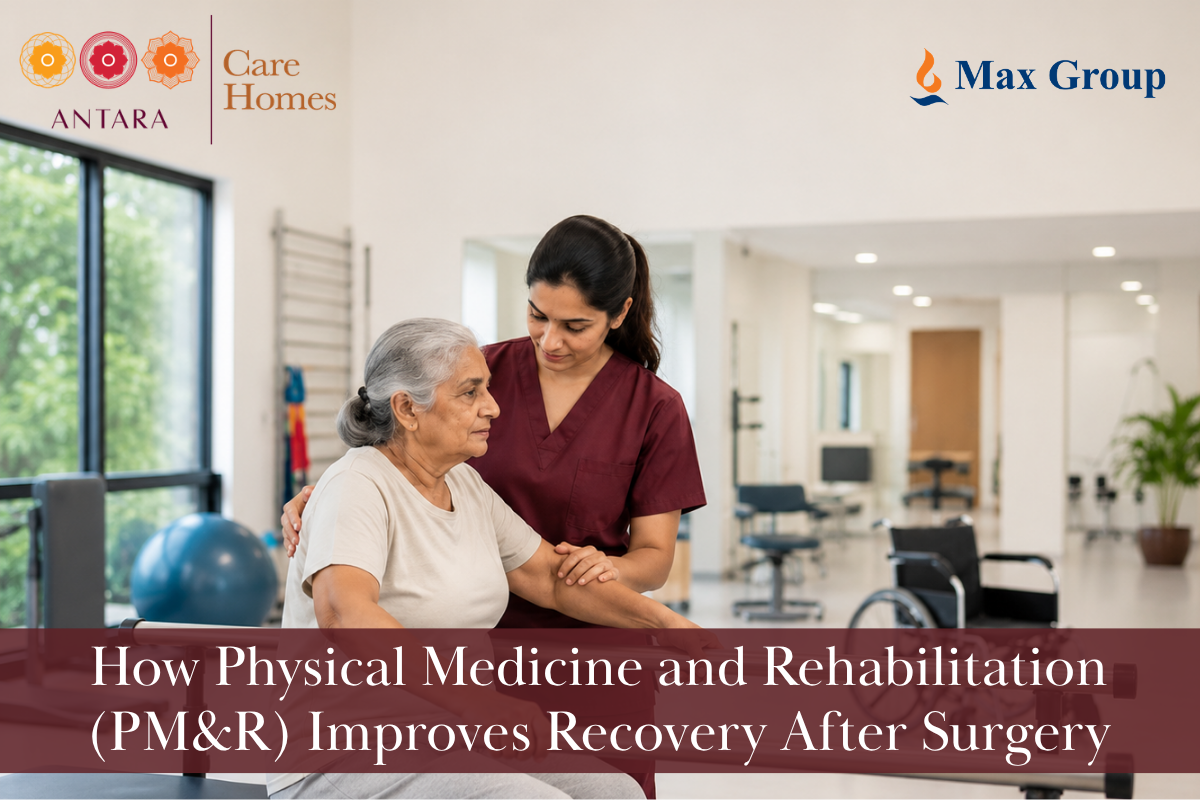
PM&R is a medical specialty. Its focus is restoring function after injury, surgery, or illness. Physicians in this field are called physiatrists. They oversee the whole recovery plan, not just one part of it. That plan usually includes physiotherapy, occupational therapy, and pain management, all working together under one physician's guidance.
What makes PM&R different from ordinary physiotherapy? A doctor stays involved from start to finish. Medication, complications and the pace of therapy are all managed by the same person, not handled separately. This matters most when a patient's needs are complicated, and pain control, healing, and physical recovery all need attention at the same time.
Families researching post operative rehabilitation often find that PM&R offers something physiotherapy alone cannot. It treats recovery as medical care, not just exercise.
Surgery solves the immediate problem. It does not restore strength or independence on its own. That work belongs to rehabilitation and how it looks depends on what the surgery was for.
After a stroke, the brain needs to relearn things. This process, called neuroplasticity, depends on repeated therapy. Without consistent therapy the recovery that was biologically possible often never happens.
With paralysis, whether from a spinal injury or nerve damage, rehabilitation focuses on what still works. It also helps the nervous system build new pathways where it can. Without proper support, complications like muscle tightening or pressure sores tend to follow.
Following orthopedic surgery, joint replacement or spine procedures for example, orthopedic rehabilitation restores movement and rebuilds strength. Skip it, and stiffness lingers far longer than it needs to.
For neurological conditions, including traumatic brain injury, both the physical and the cognitive sides need attention. A PM&R team manages all of it together, rather than treating each piece separately.
Most major surgeries benefit from some form of rehabilitation. A few types benefit especially.
Joint replacements need structured physiotherapy to prevent stiffness and rebuild mobility. Spinal surgeries need careful, sequenced rehabilitation that protects the spine while it heals. Stroke and neurosurgical cases, including procedures for aneurysms, often need therapy for movement, speech, and thinking all at once.
Cardiac surgeries, bypass procedures especially, need a slower, phased approach so the heart is not overworked too soon. And traumatic injuries, fractures, amputations, or nerve damage, often need pain management and physical therapy running side by side.
In every one of these, a physiatrist can adjust the plan as things change. That flexibility matters most when recovery doesn't go exactly as expected, which happens more often than people think.
A good PM&R program has several parts, and each one covers something different.
Medical oversight comes first. A physiatrist monitors the patient, adjusts medication, and stays in contact with the surgical team. Physiotherapy comes next, rebuilding strength, balance, and movement based on what the surgery required. Occupational therapy helps patients relearn daily tasks, dressing, cooking, managing a household on their own again.
Speech and language therapy is added when swallowing or communication has been affected, which often happens after a stroke or brain surgery. Psychological support addresses the emotional weight that surgery and injury can bring, something easy to overlook but hard to recover well without. And nutrition is part of the plan too, since the body needs the right fuel to heal.
None of these work as well in isolation. Together, they function as one plan, not a string of separate appointments. That is really what sets PM&R apart.
A few things matter most when choosing where to recover.
Look for physician-led care, ideally a qualified physiatrist overseeing the whole plan. Ask whether the team has handled cases like yours before. Recovery from a hip replacement looks nothing like recovery from a stroke, and the right centre should know that difference well.
Ask who is actually on the team. Physiotherapists, occupational therapists, and any specialists you might need should all be working together, not scattered across different clinics that never speak to one another.
It also helps to ask how progress gets tracked, and how the plan changes if things aren't going as expected. Recovery rarely moves in a straight line. And finally, think about the setting itself. Is the facility properly equipped? Are families kept informed and involved along the way? These things shape the experience as much as the treatment does.
Recovery after surgery depends on more than the operation itself. PM&R brings medical oversight and physical therapy together into one coordinated plan, something that has proven especially useful for patients recovering from stroke, paralysis, orthopedic surgery, and neurological conditions. Choosing a rehabilitation centre built around this kind of integration can genuinely change how recovery unfolds.
1. What is the difference between PM&R and standard physiotherapy?
A physician oversees the entire plan in PM&R. That person, called a physiatrist, coordinates medical care alongside therapy. Standard physiotherapy usually runs on its own, without that layer of oversight.
2. Which surgeries benefit most from PM&R?
Joint replacements, spinal surgeries, stroke-related neurosurgery, cardiac procedures, and complex orthopedic or neurological injuries tend to gain the most from this coordinated approach.
3. How soon after surgery should rehabilitation begin?
Usually as soon as the patient is stable, often within days. Starting early tends to lead to better long-term results.
4. Is PM&R suitable for elderly patients?
Yes, and often especially useful. Older patients heal more slowly and frequently manage other health conditions, both of which benefit from close, physician-led supervision.
5. How do I know if a centre offers real PM&R care?
Ask if a physiatrist oversees patient care directly. Then ask whether physiotherapists, occupational therapists, and other specialists work from one shared plan, rather than separate referrals that don't talk to each other.

Please fill in the form and submit the details to request an appointment.