Loading...
Loading...
 BACK
BACK2026-07-28
Summary
The first year after a liver transplant is the one that matters most. Survival rates in India sit around 90 to 95%, and most patients return to normal daily life within three to six months. But that first year is also where habits, follow-up care, and early attention to warning signs shape everything that comes after.
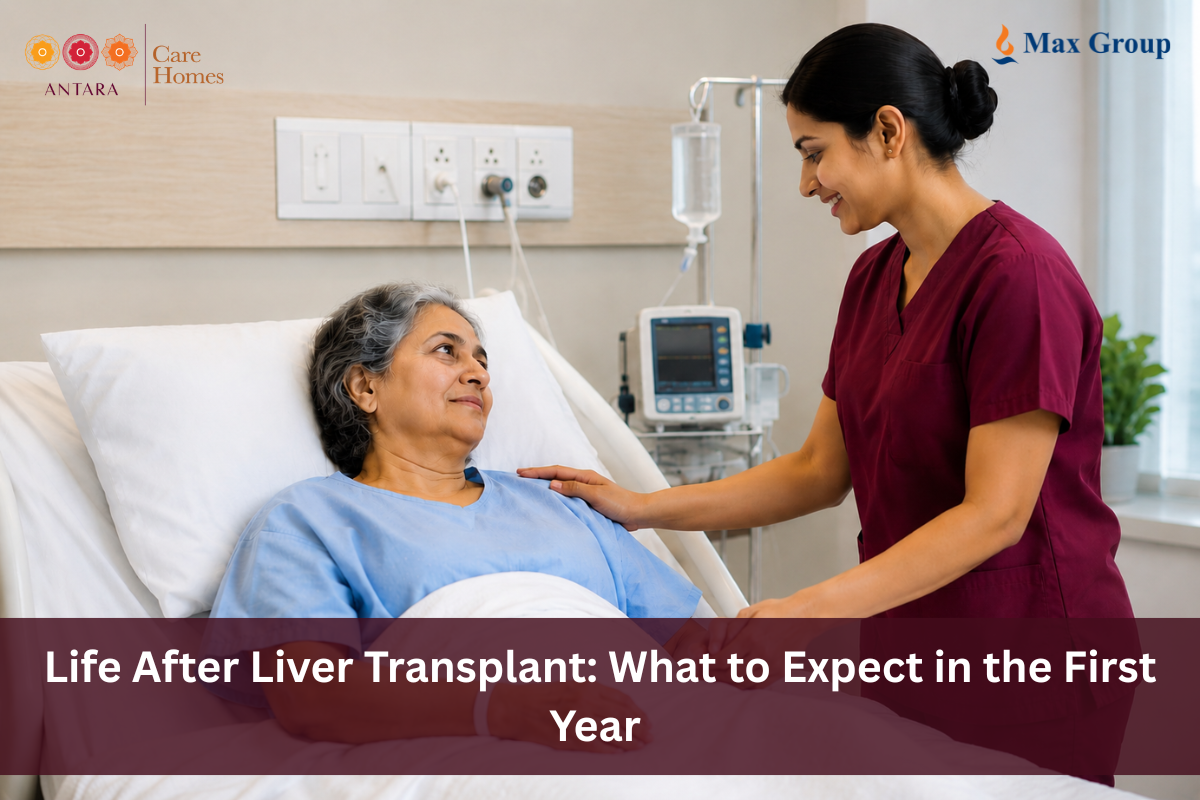
A transplant doesn't end the story. It starts a new one.
The surgery replaces a failing liver, yes. But what happens after, the medications, the appointments, the small daily decisions, that's what actually determines how life after liver transplant unfolds. After liver transplant surgery, the recovery journey begins. Rehabilitation after liver transplant is important so that patients can recover fully. Generally people assume that going home after major surgery and getting rest would recover their body which is not true. Along with rest patients need the right support, physiotherapy, right nutrition and continuous monitoring.
This guide walks through what the first year genuinely looks like. Not the version in a hospital pamphlet. The real one.
Recovery doesn't move in a straight line, but there are patterns most patients follow.
The first two to three weeks happen mostly in the hospital, with the initial 48 to 72 hours in intensive care. This is where the body is adjusting, and the medical team is watching closely for early complications.
Weeks three through twelve are about rebuilding. Energy comes back slowly. Physical therapy begins helping regain basic strength. Appetite improves. Most patients are home by this point, but home doesn't mean unsupervised. Frequent follow-ups continue.
By month three to six, many people are returning to desk-based work, light activity, and something resembling their old routine. Heavy lifting and strenuous exercise stay off-limits for a minimum of three months, sometimes longer depending on how surgery went.
Somewhere around month six to twelve, life starts to feel less like liver transplant recovery and more like just life. Not without effort. Just with less of it front and center every single day.
The body goes through a lot, and not all of it gets talked about.
Fatigue is the big one. It lingers longer than people expect, sometimes for months. This isn't ordinary tiredness. The body is healing from major surgery while also adjusting to immunosuppressive medication, and that takes real energy.
Weight changes happen too. Steroid medications, part of most immunosuppression protocols, often cause weight gain, along with fluid retention and a puffier appearance in the face. It's temporary for most people, but it can be jarring when it shows up.
Appetite shifts. Some patients find food tastes different for a while. Others deal with nausea as their body adjusts to new medications. Both usually settle within the first few months.
Skin and hair changes are common and rarely mentioned beforehand. Thinning hair, changes in skin texture, these are side effects of medication, not signs anything's gone wrong.
And then there's the emotional side. Anxiety, low mood, sometimes something closer to depression. Waiting for a transplant is its own kind of exhausting. Recovering from one brings a different kind of weight. Psychological support helps here more than people expect going in.
Surgery fixes the liver. Post Operative Rehabilitation rebuilds the person.
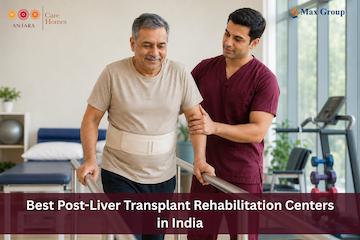
Physical therapy, started early and progressed carefully, rebuilds the strength and stamina that surgery and prolonged illness take away. Muscle wasting is common in patients who were unwell for a long time before transplant. Getting that strength back doesn't happen on its own.
Nutritional support matters just as much. A dietician-guided plan helps manage the weight changes from steroids, supports the healing process, and works around the dietary restrictions that come with immunosuppression, no raw or undercooked food, no grapefruit, careful attention to what interacts with medication.
Structured post operative rehabilitation also means someone is watching closely. Vitals. Medication timing. Early signs of rejection or infection. That kind of consistent, coordinated oversight in the weeks and months after surgery is what catches small problems before they become large ones.
And the psychological piece, again, deserves real attention here. Recovery goes better when someone is actually managing the emotional load, not just the physical one.
You can also benefit from TPA & Cashless facility for post operative recovery with antra care homes.
Some symptoms need a phone call right away. Not tomorrow. Not "let's see how it feels."
Fever. Yellowing of the skin or eyes. Abdominal pain that's new or getting worse. Unusual, disproportionate fatigue. Dark urine or pale stools. Any of these could point toward rejection or infection, and both respond much better to fast treatment than delayed treatment.
Rejection doesn't always feel dramatic. Sometimes it's subtle, a little off, harder to name. That's exactly why regular follow-up blood work matters so much in that first year. It catches what symptoms alone might miss.
If something feels wrong, even vaguely wrong, call the transplant team. Don't wait to see if it passes.
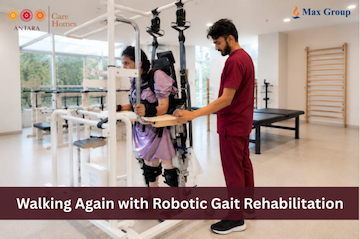
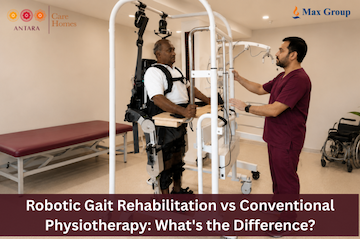
Life after liver transplant isn't a return to exactly how things were. It's a new normal, one shaped by medication schedules, regular checkups, and a bit more attention paid to the body than before. But for most people in India, that new normal includes years, often decades, of real, full life. The first year asks the most. It also gives back the most when it's taken seriously. Antara care homes offer best post-operative recovery in India, with robotic rehabilitation, cashless facilities along with the best nursing & PM&Rs you can recover safely in a comfortable environment.
1. What is the life expectancy after a liver transplant in India?
Most patients in India see survival rates of 90 to 95% at one year, with long-term life expectancy commonly extending 15 to 20 years and beyond, especially with consistent medication and follow-up care.
2. How long does liver transplant recovery typically take?
Hospital stay usually runs two to three weeks. Most people return to a normal daily routine within three to six months, though full recovery and energy levels can take up to a year.
3. What are the symptoms of liver failure I should watch for after transplant?
Yellowing of the skin or eyes, dark urine, pale stools, abdominal pain, and unusual fatigue can all signal a problem with the new liver and should be reported immediately.
4. When can I return to work after a liver transplant?
Desk-based work is often possible within four to six months. Physically demanding jobs usually require longer, depending on individual recovery and how the transplant team assesses readiness.
5. Is it normal to feel anxious or low after a liver transplant?
Yes, very common. The physical and emotional weight of transplant surgery affects mood for many patients. Psychological support alongside physical recovery makes a real difference in how people cope.

Please fill in the form and submit the details to request an appointment.