
Loading...
Loading...
 BACK
BACK2025-02-10
Antara
Want to ensure your loved one stays active, connected and emotionally happy? Explore our care home programs designed to promote meaningful social engagement for seniors.
As India’s elderly population grows, the need for comprehensive elderly care services in India has never been more critical.According to the Longitudinal Ageing Study of India (LASI), nearly 20% of seniors report feelings of loneliness or social isolation, which can have severe impacts on their mental and physical health. This is where modern care homes, offering assisted living and memory care, play a transformative role. Beyond providing medical support and safety, these communities prioritise social engagement in care homes as a cornerstone of senior happiness and well-being.
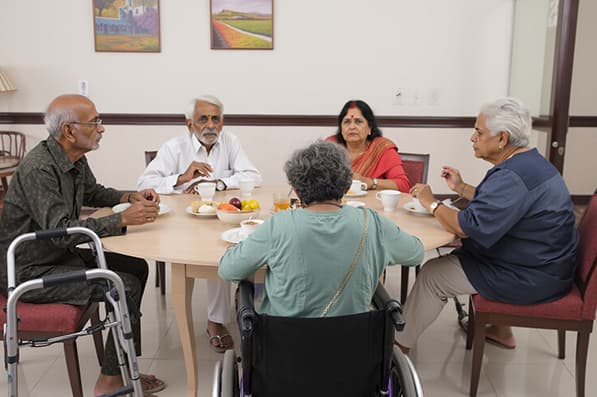
Let’s explore why social interaction is so vital for seniors and how care homes are fostering meaningful connections to enhance quality of life.
The Science Behind Social Engagement and Senior Well-Being
Research consistently shows that social engagement is a key factor in healthy aging. A study published in the Journal of Aging and Health found that seniors with strong social connections have a 50% higher likelihood of longevity compared to those who are isolated. In India, where joint family systems are gradually giving way to nuclear setups, many seniors are at risk of loneliness.
Social interaction reduces the risk of depression and anxiety, which are common among seniors. Engaging in conversations, sharing stories, and participating in group activities stimulate the brain and improve cognitive function. Socially active seniors are also more likely to stay physically active, which lowers the risk of chronic conditions like heart disease and diabetes. Additionally, building friendships and feeling part of a community provide a sense of purpose and belonging, which are essential for emotional well-being.
How Care Homes Promote Social Engagement
Modern care homes, particularly those offering assisted living and memory care, are designed to create environments where seniors can thrive socially. Here’s how they do it:
1. Structured group activities: From yoga sessions and art classes to book clubs and gardening groups, care homes offer a variety of activities that encourage residents to interact and bond. These activities are not just fun; they also promote social participation of older adults, helping them discover new hobbies and reignite old passions. For instance, residents can organise a cultural festival, showcasing traditional dances, music, and food from different regions of India. Such events celebrate diversity and create opportunities for meaningful connections.
The Role of Family in Social Engagement
While social engagement in senior homes provides a supportive community, family involvement remains crucial. Regular visits, phone calls, and participation in care home events help seniors feel loved and valued. Many care homes also host family days and workshops to strengthen these bonds. During a recent family day event at a senior living community, residents and their families participated in a cooking competition, creating dishes from cherished family recipes. Such activities not only bring joy but also reinforce emotional connections.
Why Social Engagement Matters in Elderly Care Services
The benefits of social engagement for the elderly extend far beyond happiness. For seniors, it’s about maintaining a sense of identity, purpose, and dignity. In India, where cultural values emphasise respect and care for the elderly, modern care homes are stepping up to fill the gap left by changing family structures. Communities like Antara Senior Living understand this deeply. By offering a vibrant social environment alongside top-notch elderly care services in India, they ensure that seniors don’t just live, they thrive.
A Call to Action for Families
If you’re considering assisted living and memory care for a loved one, don’t just focus on the medical and logistical aspects. Ask about the community’s approach to social engagement. Are there regular activities? How are residents encouraged to connect with one another? What role do families play in the community?
At Antara Senior Living, we believe that happiness is a shared experience. Our programs are designed to foster connections, celebrate individuality, and create a sense of belonging. Because when seniors are socially engaged, they’re healthier and happier.
Social engagement is not a luxury; it’s a necessity for senior well-being. As the demand for elderly care services in India continues to rise, care homes must prioritize creating environments where seniors can build meaningful relationships and enjoy a fulfilling life.
For families exploring options, communities like Antara Senior Living offer a holistic approach to care, one that values social connection as much as physical health. After all, happiness is best when shared.
To learn more, log in to Antara Senior Care or call us at +91 98114 41111 to schedule a visit.
Connect with Antara’s care experts to find the right care home option for your family member.
Conclusion
The best way to boost the emotional and physical wellbeing of your lovely adults is getting them involved socially in care homes. Research shows that planned social engagement in Care Homes leads to clear improvements in physical health, brain function and emotional stability. Seniors who join in regular group activities move better, make stronger friendships, and show fewer signs of feeling down or worried.
Care homes that do the best job have one thing in common (well made full social engagement plans). These include organised group activities, welcoming shared spaces, and chances for families to take part in a meaningful way. These programs know that older adults do well when they stay connected to others and feel like they matter to their community. Special programs for seniors who need memory care make sure everyone can join in these social activities in a way that works for them.
When families choose care options, knowing how a facility values social interaction gives them a sense of their loved ones' future quality of life. Places that put money into skilled activity leaders, different types of programs, and ways to talk with families show they understand that social bonds aren't just nice to have (they are key to healthy aging and happy residents).
FAQs
How do group activities help seniors' emotional and mental health?
Group activities keep seniors' minds sharp through mental challenges and problem-solving, while also cutting down on feelings of sadness or being worried by creating meaningful relationships. Studies show that taking part in these activities makes memory better, keeps moods more stable, and gives mental exercise that helps keep thinking skills strong. Being part of a group also builds networks of emotional support that fight off loneliness.
Which types of activities have the most impact on reducing loneliness in care homes?
Book clubs, art classes and community meals are group activities that work best to reduce loneliness. Studies show that taking part in structured group activities leads to a big drop in loneliness scores. Gardening clubs and holiday celebrations get people talking sharing experiences, and meeting. These activities help build long lasting friendships.
How can care homes build meaningful long-lasting social connections?
Care homes can foster connections through regular programs, cozy community areas, and chances for families to get involved. Key ways to do social engagement in senior homes include setting up regular activities, hiring trained activity leaders, running mixed-ability group programs, and using tech platforms for family chats. Creating spaces like lounges and gardens helps people bump into each other and start friendships.
What mental and emotional benefits come from regular social engagement?
Regular social engagement lowers the risk of depression, keeps moods steady, and boosts life satisfaction. Research reveals that people who take part in these activities experience less anxiety, think more and feel more purposeful. Friends and family offer comfort during health struggles and help maintain a sense of self and worth through community ties.
Can social participation improve the overall quality of life for care-home residents?
Yes, studies show that social participation enhances quality of life by improving physical health, mental wellness, and social bonds. Research indicates that higher involvement in group activities links to better health results, less loneliness and more joy in life. Social engagement gives residents a reason to get up each day and adds meaning to their lives.
Best Stroke Rehabilitation Centre in Bangalore: Recovery, & ...
Best Stroke Rehabilitation Centre in Chennai: Recovery, & Co...

How to Safely Get Out of Bed After Open Heart Surgery
Best Physiotherapy Exercises for Shoulder Pain at Home
Best Physiotherapy at Home Services in Bangalore

Please fill in the form and submit the details to request an appointment.