
Loading...
Loading...
 BACK
BACK2025-02-12
Dr. Vivekanandhan. B
The landscape of care for elders is continually evolving. With advancements in healthcare and a growing emphasis on quality of life, elderly care homes are becoming an increasingly considered choice for families. However, deciding when to transition a loved one to a care home remains a significant challenge. It’s a decision that requires careful consideration of their physical, emotional, and social needs.
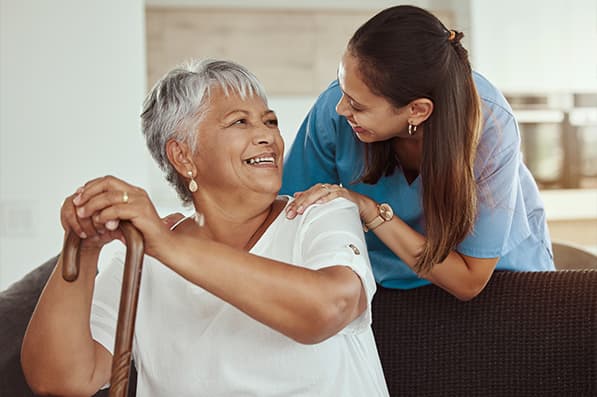
If you’re wondering whether your loved one might benefit from an elderly care home, here are the top three signs to observe. that highlight the benefit of care home support.
Talk to our health experts to understand the right care options for your loved one and make the right decision.
Declining Physical Health and Mobility
One of the most common reasons families explore elderly care homes is a noticeable decline in their loved one’s physical health. As seniors age, they may show signs for residential senior care support, such as struggling with chronic conditions, mobility issues, or frequent falls, making it difficult to manage daily activities independently.
When considering care for senior family members, it is important to observe if these issues are present. Communities like Antara Senior Living emphasise personalised care plans that address mobility challenges and ensure residents receive the support they need to maintain safety and health.
Common Signs that Might Be Time for Assisted Living Care Services for Seniors
Increasing Social Isolation and Loneliness
Social isolation is a growing concern among seniors, particularly in urban India where family structures are evolving. Loneliness can have severe impacts on mental and physical health, increasing the risk of depression, anxiety, and even cognitive decline.
At Antara Senior Living, a focus on fostering social connections through group activities, events, and shared spaces is a hallmark of our comprehensive elderly care homes.
Caregiver Burnout and Family Strain
Caring for an elderly loved one can be incredibly rewarding, but it can also take a toll on family caregivers. If you or other family members are experiencing burnout, it may be a sign that professional care for elders is needed.
A large majority of family caregivers experience moderate to severe stress, highlighting the need for professional support. At Antara Senior Living, our professional care teams are trained to provide the highest standard of care, allowing family members to focus on their relationships rather than the stresses of caregiving.
Why Consider a Care Home?
The importance of proactive decision-making in elder care cannot be overstated. Modern elderly care homes offer seniors access to communities that prioritize their well-being, independence, and happiness.
Deciding to move a loved one to an elderly care home is never easy, but it can be the best decision for their health, happiness, and overall well-being. If you notice signs of declining physical health, social isolation, or caregiver burnout, it may be time to explore the benefits of elderly care homes. By choosing a care home, and specifically communities like Antara Senior Living, you’re not just ensuring your loved one’s safety - you’re giving them the opportunity to thrive in a vibrant, supportive community.
If you’re exploring care options for a loved one, consider the benefits of a community like Antara Senior Living. With a focus on personalised care and a vibrant, supportive environment, we ensure that every resident enjoys a life of purpose and joy. To learn more about such services, visit Antara Senior Living or call us at +91 98114 41111.
Ready to explore personalized care solutions? Talk to our Antara's Care Home experts and discover how a care home can support your family.
Conclusion
Spotting when your family member needs a care home takes close watching and open talks with your relatives. Three main signs often link up and get worse as time goes on: worsening of physical health and movement, settling in of feelings of isolation and tired-out caregivers.
Switching to a care home is not a sign of giving up; it shows love and smarts in finding the best care possible. Care homes in 2025 offer full medical monitoring, fun social activities, and 24/7 safety. The benefits of care homes are not limited to these; they also provide special services that many families can't give at home. The growth of global senior care industry shows that more people see how professional care can make life better for seniors and their families.
If you see these signs, think about talking to care experts. They can show you what's available and help make a care plan that respects your loved one's needs and dignity.
FAQs
How can you know when it's time to move your parents to a care home?
Spotting when your parents might need to move to a care home isn't simple, but paying attention to subtle clues can help keep them safe and maintain their dignity. If they start falling more, miss taking their medicines, stop looking after themselves, or seem isolated, these signs for residential senior care are significant. And if everyday tasks become risky or too much to handle and nothing is working, you might need expert care. Pay attention to what you see and ask doctors what they think.
What are the main reasons families pick care homes these days?
The main reasons include safety worries due to movement problems, the need for round-the-clock medical watch, trouble managing medicines, feeling lonely and tired caregivers. Many families also pick care homes for special services like memory care, recovery programs and planned social activities that boost life quality more than what's possible at home.
What do we call caring for older people at home, and how is it different?
Home care means helping seniors in their own homes. Unlike care homes, home care gives less medical oversight, needs families to organize services, and might not offer many chances to socialize. Care homes have full medical staff, planned activities, systems to respond to emergencies, and ways for residents to make friends that home care can't provide.
How should families approach long-term elderly care planning?
Start planning. Assess current and future needs. Research local care options. Talk about preferences with your loved one. Think about money, insurance, and where to live. Ask doctors to help evaluate. Visit places that might work. Make backup plans. Keep talking as a family. Get advice from experts. This helps everyone agree on what's important.
What are the growing indicators that seniors need more structured care in 2025?
New signs are popping up: tech confusion that puts safety at risk, more complex medical management that need expert watch, social media that cuts people off from real-life bonds and health issues from climate change. This means family caregivers will struggle more making professional care setups more crucial to give proper help and keep an eye on medical needs.

Best Stroke Rehabilitation Centre in Bangalore: Recovery, & ...
Best Stroke Rehabilitation Centre in Chennai: Recovery, & Co...

How to Safely Get Out of Bed After Open Heart Surgery

Best Physiotherapy Exercises for Shoulder Pain at Home
Best Physiotherapy at Home Services in Bangalore

Please fill in the form and submit the details to request an appointment.