
Loading...
Loading...
 BACK
BACK2024-09-20
Antara
Want to know more about modern senior care? Book a personalized consultation with our experts today and understand the best care solution for your loved one.
As India's population ages, the demand for high-quality senior care services has become more critical than ever. Senior citizens today face unique challenges that are changing the landscape of elderly care. With advancements in healthcare, increased life expectancy, and evolving family dynamics, the way India cares for its elderly is shifting from traditional family-based models to modern, specialized approaches. Understanding the differences between traditional vs modern senior care can help families make informed decisions about the best care for their loved ones.
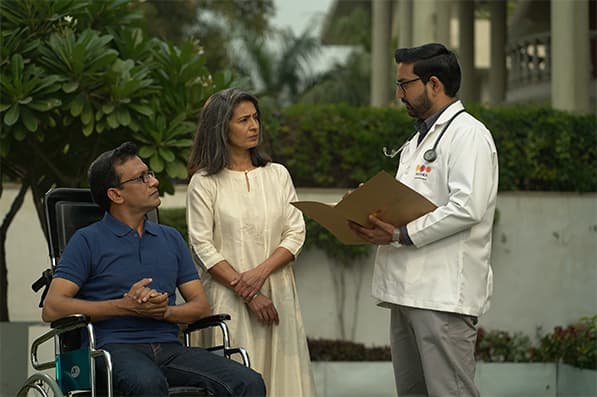
Traditional Approaches to Senior Citizen Care in India
Historically, India’s culture placed immense value on caring for elders within the family unit. This approach was built on principles of duty, respect, and familial responsibility, with the eldest son or daughter traditionally assuming the role of caregiver. Multi-generational households were common, where elderly family members were looked after by their children or extended family.
Strengths of Traditional Care:
Emotional Support: Living with family often provided elderly individuals with emotional comfort, fostering a sense of belonging and security. Family members could attend to their elders' physical and emotional needs.
Familiarity: Staying in a familiar environment with loved ones can help older adults feel more comfortable, especially those with memory-related issues like dementia.
Cost-Effective: Family caregiving generally reduces the need for professional caregivers or senior care facilities, making it a more cost-effective option for families.
However, as elderly care India modernizes, several challenges have emerged with traditional caregiving:
Changing Family Dynamics: With increased urbanization and more nuclear families, many young adults migrate for better career opportunities, leaving fewer people available to care for their aging parents.
Caregiver Burden: Caring for elderly family members is often emotionally and physically taxing, particularly when dealing with complex health issues like dementia, mobility challenges, or chronic diseases.
Lack of Specialized Care: While family members offer love and care, they often lack the medical expertise and training needed to manage health conditions common among seniors.
Modern Approaches to Senior Care Services in India
As family structures evolve, the need for professional senior care services has grown. Modern approaches to senior citizen care in India encompass a range of specialized services, including assisted living, memory care, home healthcare, and more. These services are designed to provide elderly individuals with a higher quality of life while ensuring their medical, emotional, and social needs are met.
Benefits of Modern Senior Care Services
Professional Expertise: Modern senior care services are staffed with trained caregivers, doctors, and specialists who understand the unique challenges faced by elderly individuals. Whether managing chronic diseases or memory disorders, these professionals are equipped to provide comprehensive care.
Tailored Care Plans: Facilities like Antara Senior Care create personalized care plans based on each resident's medical history, preferences, and specific needs. This ensures that seniors receive the right level of care, whether they need basic assistance or more intensive memory care.
Focus on Holistic Well-being: Modern senior care services go beyond basic healthcare. They provide seniors with opportunities for mental stimulation, social interaction, and physical activity. At Antara, activities like art therapy, music therapy, and fitness programs are designed to promote emotional and cognitive well-being.
Safety and Comfort: Modern care homes are designed with senior-friendly infrastructure. At Antara Senior Care, the facilities include senior-friendly rooms, safety features, secure environments, and emergency response systems to ensure residents' safety and comfort.
Convenience for Families: As family members juggle work, travel, and other responsibilities, professional senior care services relieve some of the burdens. Families can rest assured that their loved ones are receiving high-quality care in a safe and supportive environment.
Key Differences Between Traditional and Modern Care Approaches
Caregiver Expertise: Traditional care relies on family members, who may not have the medical training needed to manage the complex health issues that seniors often face. In contrast, modern senior care services employ professional caregivers and medical experts.
Emotional and Social Engagement: While traditional care may provide emotional support within the family, it may lack the structured activities and social interaction that modern care services offer. Modern care facilities, like those at Antara, emphasize holistic well-being by providing engagement programs that promote cognitive health and emotional well-being.
Safety and Medical Support: Modern senior care homes are equipped with medical facilities and safety features to address emergencies. In contrast, traditional care often depends on external medical services, which can be delayed or difficult to access.
Living Arrangements: Traditional care typically occurs in the family home, while modern senior care homes are designed to meet the specific needs of elderly residents. Antara's senior-friendly rooms and secure environments offer both safety and comfort, ensuring that seniors can age with dignity.
The Antara Difference in Senior Citizen Care in India
Antara Senior Care is a leader in providing modern senior citizen care India. Their approach blends clinical excellence, personalized care, and emotional well-being to ensure that elderly individuals lead fulfilling lives.
Key USPs of Antara Senior Care:
Personalized Care Plans: Antara’s care plans are tailored to each resident’s unique needs, ensuring that seniors receive personalized attention.
Holistic Well-Being: Antara promotes mental, physical, and emotional well-being through structured activities and therapies designed to enrich the lives of seniors.
Safety and Security: The facilities are equipped with state-of-the-art safety features, ensuring a secure environment for residents. Continuous monitoring and emergency support provide peace of mind for both residents and their families.
Expert Medical Care: With experienced caregivers and medical professionals on-site, Antara ensures that residents’ health is consistently monitored and managed with the highest standards of clinical excellence.
Dignity and Comfort: Antara’s senior care homes are designed to foster dignity and independence, ensuring that residents can live comfortably while receiving the care they need.
The care of senior citizens in India is at a crossroads, where traditional family-based caregiving is gradually giving way to modern professional senior care services. While traditional care holds emotional value, modern approaches offer specialized, comprehensive care that addresses the evolving needs of India’s elderly population. By choosing quality facilities like Antara Senior Care, families can ensure their loved ones are well-cared for, both physically and emotionally, while aging with dignity in a safe and nurturing environment.
As families increasingly search for reliable options in assisted living India, modern care models like Antara provide the perfect blend of medical care, emotional support, and independence.
Understanding this dynamic social fabric of our society, the changing times, and the growing pressures of modern lifestyle, the hassles of daily medical assistance, overwhelming atmosphere of hospitals, and the lack of personalized care, Antara Care Homes, residential facilities for short-& long-term care in Delhi NCR and Bangalore, offer both assisted living and transition care. To know more, visit https://antaraseniorcare.com/care-home or call + 91 9811441111.
Schedule a guided tour of Antara Care Homes to experience our modern, safe, and compassionate senior living environment firsthand.
Conclusion
India's approach to senior care is at a turning point, trying to balance deep traditional vs. modern senior care needs. The traditional joint family system provides emotional support but often lacks the specialized medical know-how needed for complex health issues that come with age. Professional elder care facilities are growing fast. These places offer organized medical help, safety features and ways for seniors to socialize that family caregivers might find hard to provide on their own. The best answer combines both approaches: professional care that respects family ties and cultural traditions. New facilities that welcome family involvement while offering skilled medical oversight, quick emergency response and full wellness plans lead to better results. Many older people in rural areas now rely on family help; we need to make hybrid care options more available. Families should check their loved one's health needs, look at what's available and pick care setups that value both expert knowledge and close relationships for complete elder care.
Traditional care depends on family members giving basic help within joint family systems (stressing emotional backing and cultural familiarity). Modern senior care provides professional medical oversight, skilled caregivers, organized wellness programs and special facilities with round-the-clock support, safety features, and emergency response systems.
Elder care has grown from family-based systems to include professional assisted living facilities. City life, smaller families, and job market shifts created a need for organized care.
Modern facilities have 24/7 medical supervision, physiotherapy, meals planned by nutritionists, wellness programs, memory care units, telemedicine services, emergency response systems, and social engagement activities.
Family care gives your elderly better emotional support in their familiar culture but they lack medical expertise and structured care. Professional assisted living has trained caregivers, medical monitoring, safety features & comprehensive programs though at higher costs.
An amalgamation of professional medical care and family involvement gives the best support. Modern facilities that welcome family participation while providing expert healthcare, planned social activities and safety measures address all three areas well. This approach respects cultural values while ensuring complete care.
Best Stroke Rehabilitation Centre in Bangalore: Recovery, & ...
Best Stroke Rehabilitation Centre in Chennai: Recovery, & Co...
How to Safely Get Out of Bed After Open Heart Surgery
Best Physiotherapy Exercises for Shoulder Pain at Home
Best Physiotherapy at Home Services in Bangalore

Please fill in the form and submit the details to request an appointment.