Loading...
Loading...
 BACK
BACK2023-03-07
Antara
As people age, they often need assistance with daily living activities. Elder home care services provide a range of options for individuals who require assistance with activities of daily living, such as personal care, housekeeping, meal preparation, transportation, and companionship. Two common types of elder home care services are medical in-home care and non-medical in-home care. We will see what medical vs non-medical in-home care services offer.
Want to know what care is best for your loved one? Connect with Antara today.
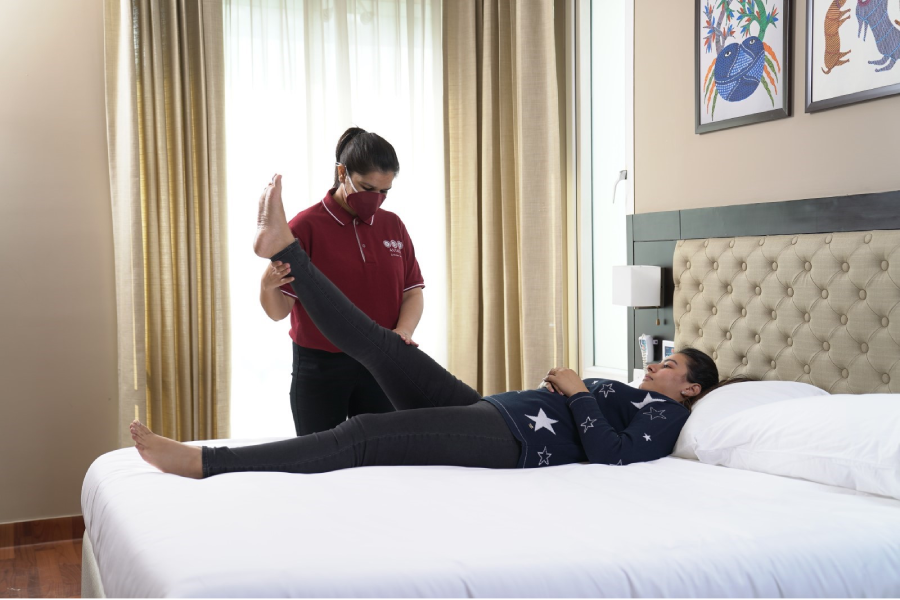
Medical in-home care refers to the provision of healthcare services by licensed healthcare professionals such as registered nurses, licensed practical nurses, and certified nursing assistants. This type of care is typically prescribed by a doctor and involves tasks such as administering medication, wound care, managing chronic conditions, and regular monitoring vital signs. Medical in-home care is particularly important for patients who require ongoing medical attention or who are recovering from a hospitalization or surgery.
Non-medical in-home care, on the other hand, is provided by caregivers who are not licensed healthcare professionals. This type of care focuses on helping individuals with non-medical tasks such as personal care, housekeeping, meal preparation, transportation, and companionship. Non-medical caregivers may be trained to provide basic medical assistance such as monitoring blood pressure or blood sugar levels, but they are not licensed to perform complex medical procedures.
There are several differences between medical and non-medical in-home care.
● First, medical in-home care is typically prescribed by a doctor and is intended to manage complex medical conditions. Non-medical in-home care, on the other hand, is focused on assisting individuals with daily living activities to help them maintain their independence and quality of life.
● Second, medical in-home care is provided by licensed healthcare professionals who have received specialized training in medical procedures and are required to maintain certain standards of care. Non-medical in-home care, on the other hand, may be provided by family members or friends who have received basic training in caregiving, or by professional caregivers who have received training in non-medical caregiving tasks.
● Third, medical in-home care is typically provided on a more intensive basis than non-medical in-home care. For example, a patient who requires medical in-home care may receive daily visits from a nurse or other healthcare professional, whereas a patient who receives non-medical in-home care may only receive assistance with household tasks a few times a week.
● Finally, medical in-home care is typically focused on managing acute or chronic medical conditions, whereas non-medical in-home care is focused on promoting overall health and well-being. This means that medical in-home care may be more appropriate for patients who require ongoing medical attention, whereas non-medical in-home care may be more appropriate for individuals who are relatively healthy but require assistance with daily living activities.
In conclusion, medical and non-medical in-home care are two important types of elder home care services that aid individuals who require help with daily living activities. Medical in-home care is typically provided by licensed healthcare professionals and is intended to manage complex medical conditions, whereas non-medical in-home care is focused on promoting overall health and well-being. Understanding the differences between these two types of care can help individuals and their families make informed decisions about the type of care that is most appropriate for their needs.
Antara understands these and being a senior care platform, it offers services like Nursing Care as well Patient Caregiver; in the comfort of a senior’s home, covering both non-medical vs medical in-home care requirements effectively. Nursing Caregiver services are medical in nature and offers services for both post operative care and everyday medical support to the elderly. Services include monitoring of vitals, tracheostomy care, medication management, urinary catheter care, sutures removal, post-stroke management and more.
Our Patient Caregivers are specially trained to assist the daily needs of your loved ones, as we understand that modern day lifestyle doesn’t allow one to be a constant caretaker of the family. Services include assistance in daily life with medicine reminders, assistance in movement of beds, mobility, personal hygiene while offering general companionship and care.
Our plethora of care at home services are not just limited to above but also offers Home Critical Care, X-ray, Pathology services, Physiotherapy and ECG, all in the comfort of one’s home. To know more visit here or call us at +91 9811441111.
To know more about in-home care services, contact our team. Our team will guide you through the best options for your care.
Figuring out the difference between medical vs non-medical in-home care can feel confusing at first. Medical care is all about health needs, like nursing or therapy. Non-medical care is more about helping with daily life and offering a friendly face. Most older adults need a mix of both as time goes on. At Antara Senior Care, we know everyone's story is different. That's why our Care at Home services bring together both kinds of support, so seniors can stay safe and independent. When you look at what your family needs, what you can manage, and what feels right, you can build a care plan that really makes life better. It's all about peace of mind for you and your loved ones.
What's the difference between Non-Medical vs Medical In-Home Care?
Medical care means help from nurses or therapists with things like medicine, wound care, or checking vital signs. Non-medical care is more about daily tasks, like helping with meals or just being there to talk. Caregivers might not have medical licenses, but they know how to support older adults in the ways that matter most.
What is non-medical caregiving?
Non-medical caregivers help with things like bathing, getting dressed, making meals, tidying up, or giving rides. They also offer company, keep minds active and give emotional support. Even though they can't do medical tasks, they know how to spot changes, keep things safe, and follow the care plan.
Which one is better, medical or non-medical care?
There's no one-size-fits-all answer. Medical care is important for health problems or recovery. Non-medical care makes daily life easier and more enjoyable. Most people find that a mix of both works best, and the balance can change as needs change.
What is the difference between medical and non-medical staff?
Medical staff are doctors, nurses, or therapists who can give medicine, do check-ups, and handle medical needs. Non-medical staff are trained caregivers who help with personal care, offer support, and make sure daily life runs smoothly, but they don't do medical tasks.
What does non-medical mean?
Non-medical means helping with everyday things, not medical treatments. This could be help with washing up, moving around, eating well, keeping the house tidy, getting out and about, or just having someone to talk to. Even though they can't give medicine, non-medical caregivers make a big difference in helping seniors feel comfortable and independent.

Please fill in the form and submit the details to request an appointment.