Rethinking Health And Care For Seniors In India
India’s rapidly ageing population is reshaping healthcare needs, with growing demand for preventive, continuous, and community-based senior care
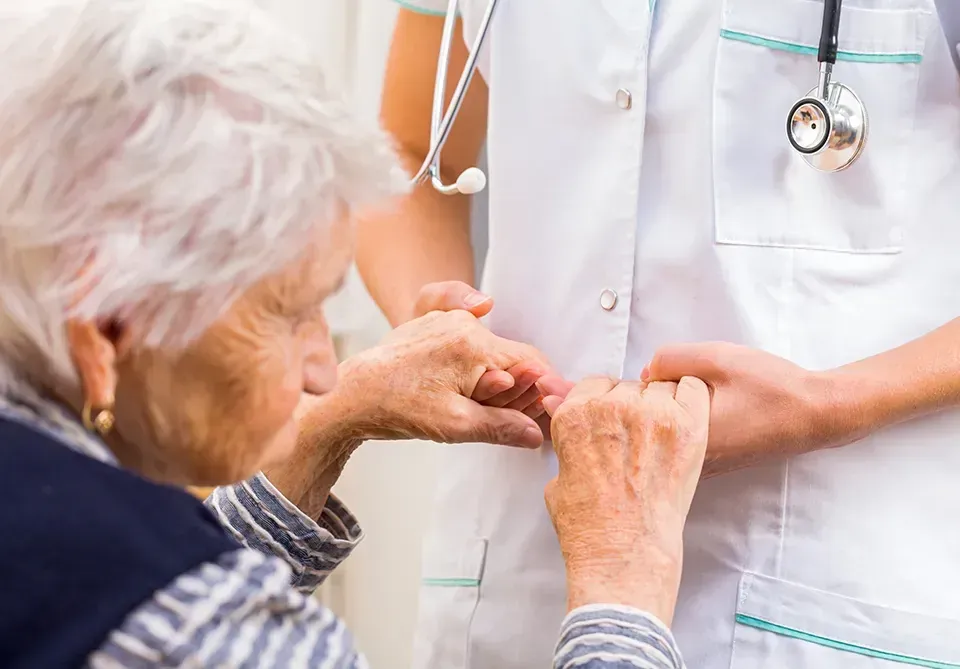
India is entering a demographic phase that calls for a thoughtful evolution in how we approach our population’s health and care. Today, the country is home to over 160 million people aged 60 and above. By 2050, this number is expected to more than double to over 346 million - nearly one in five Indians. This shift is gradual but significant, already visible in the rising incidence of chronic conditions, increased need for long-term care, and a growing need for families to navigate complex healthcare journeys. The numbers point to a changing healthcare need. The clinical profile of the ageing in India is also evolving.
Rising Burden of Chronic Conditions
According to NITI Aayog (2024), 40per cent seniors live with some form of disability and 75per cent have one or more chronic conditions that impact quality of life. Improved lifespan means older individuals are living with these conditions for years, sometimes decades, requiring sustained care. At the same time, 70per cent seniors remain financially dependent, and 78per cent lack pension cover. These trends underline the need for ongoing, preventive healthcare support, not just episodic medical intervention.
From Episodic Care to Continuous Care
India’s healthcare system has made significant progress, in addressing acute conditions and improving life expectancy. This approach was well-suited to an earlier era when infectious diseases were the primary drivers of mortality. Today, the burden has shifted towards non-communicable diseases such as diabetes, hypertension, cardiovascular conditions, and cognitive decline, conditions that require continuous management rather than one-time intervention. The consequences of inaction are both predictable and preventable. Unmanaged blood pressure can lead to stroke, potentially paralysis and long recovery journeys; unaddressed fall risks can result in fractures and prolonged immobility; poorly monitored diabetes can lead to avoidable complications such as vision loss. Yet, care for the elderly often begins at the point of escalation - a hospital admission, a fall, or a complication. While acute care systems are critical, the larger opportunity lies in strengthening what happens before that point.
Global Evidence for Preventive Care
Global evidence reinforces this shift. Across Organisation for Economic Co-operation and Development (OECD) countries, preventive home-based interventions have reduced hospital admissions by nearly 7per cent and hospital stays by over 10per cent, while lowering mortality among seniors. Evidence also shows that even a 10per cent increase in prevention-focused spending can reduce overall healthcare costs over time, while improving healthy life expectancy. Community-based care models, in many cases, deliver comparable outcomes at 20–30per cent lower cost than hospital-led care, highlighting how a shift from reactive to preventive approaches can improve quality of life while easing long-term pressure on healthcare systems. Preventive and continuous care can play a critical role in helping Indians age better by identifying risks early, managing conditions proactively, and enabling seniors to maintain functional independence for longer through informed caregiving choices. This becomes even more important as changing socioeconomic structures reshape traditional caregiving systems.
Why Prevention Must Take Centre Stage
Studies show that seniors with functional limitations are far less likely to require institutional care when supported through structured preventive programmes. Preventive primary care improves functional ability, reduces hospitalisation, and enhances overall quality of life. Prevention, therefore, is not an abstract ideal; it is a practical, evidence-based approach. It calls for an expansion of the senior care ecosystem, not as a replacement for family, but as a structured extension of it, combining clinical rigour of regular health monitoring, medication management, physiotherapy, nutrition, and timely clinical oversight with mental-emotional wellbeing.
Role of Technology in Scaling Care
Technology can play a pivotal role in scaling this approach. Remote monitoring tools, teleconsultations, AI-enabled risk assessment, and digital health records are making it possible to track health indicators in real time and enable earlier interventions. Increasingly, smart wearables and connected devices are also allowing continuous tracking of vital parameters such as heart rate, mobility, and sleep patterns, helping detect risks before they escalate. For a country as large and diverse as India, technology will be critical in making preventive senior care more accessible, consistent, and scalable beyond hospital settings and into homes.
Building for the Future of Ageing in India
As India prepares to become the world’s oldest country by mid-century, three priorities stand out. First, healthy ageing with a focus on retaining functional abilities must be embedded into mainstream healthcare thinking. Second, the caregiving ecosystem needs to expand and professionalise at scale. Recent policy signals, including the Union Budget’s focus on training caregivers, are important steps, though continued momentum will be essential Encouragingly, there are early examples within India. Kerala, through initiatives such as the Aardram Mission, has strengthened primary healthcare by upgrading centres, integrating diagnostics, and building community-based networks for continuous elderly care, including palliative support. Tamil Nadu has similarly focused on preventive outreach through large-scale screening programmes and community-based interventions, alongside initiatives such as day-care centres for seniors that support both health and social wellbeing. These models demonstrate that embedding preventive care into primary and community healthcare systems can improve access, enable early intervention, and reduce pressure on hospitals, offering a blueprint that can be adapted nationally. Third, as the senior care models evolve, there is a need for clear quality benchmarks and regulatory frameworks to ensure consistency, accountability, and trust across providers. India’s seniors represent a generation that has contributed immensely to the country’s growth. As their needs evolve, so must the systems that support them. The opportunity ahead is not just to respond to ageing, but to shape how India grows into a Viksit Bharat.