Loading...
Loading...
 BACK
BACK2026-06-15
Surgery is often the first step toward recovery, not the final one. Whether it is a knee replacement, hip surgery, spine procedure, cardiac surgery, or any major operation, the body needs proper rehabilitation to regain strength and function.
Many patients believe that once they return home from the hospital, rest alone is enough for recovery. While adequate rest is important during the initial healing phase, avoiding physiotherapy after surgery can slow down recovery and increase the risk of complications. In fact, studies show that structured rehabilitation programs can significantly improve mobility, reduce pain, and help patients return to their daily activities faster.
Physiotherapy is designed to help the body heal safely after surgery. It focuses on restoring movement, improving strength, preventing complications, and helping patients regain confidence in performing everyday tasks.
In this blog, we will discuss why physiotherapy is important after surgery, what can happen if it is skipped, and how post-operative rehabilitation supports a smoother and faster recovery.
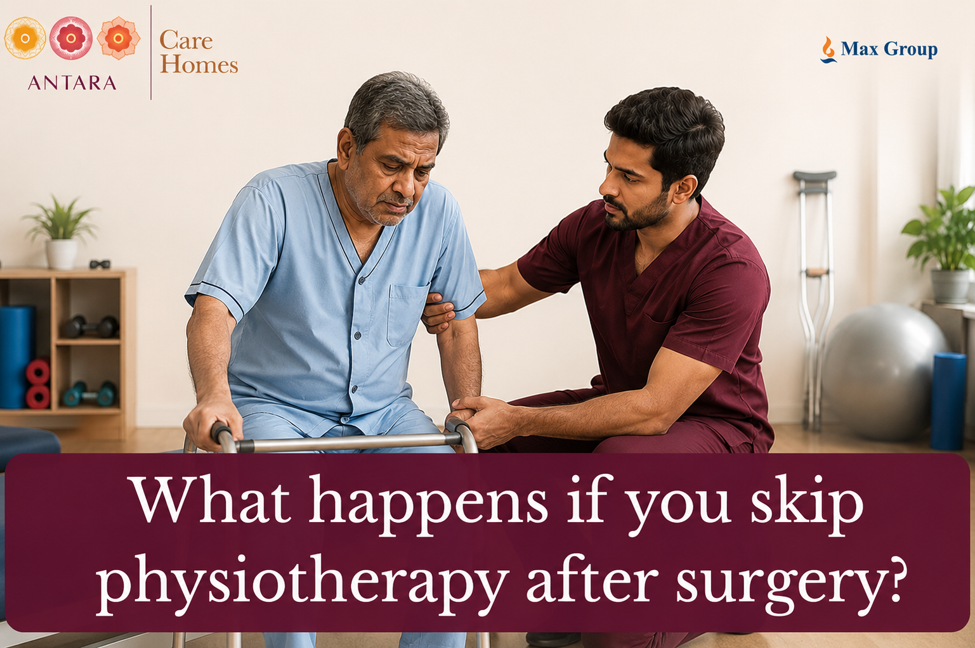
After surgery, the body undergoes a healing process that can lead to stiffness, muscle weakness, reduced mobility, and pain. Physiotherapy helps manage these issues and supports a safe recovery.
1. Helps Restore Movement
Surgical procedures often affect muscles, joints, ligaments, or nerves. Physiotherapy helps patients gradually regain normal movement through guided exercises and mobility training.
2. Reduces Pain and Stiffness
Post-surgical pain and stiffness are common. Physiotherapists use exercises, stretching techniques, and movement therapies to improve flexibility and reduce discomfort.
3. Prevents Muscle Weakness
Extended bed rest or reduced activity after surgery can cause muscles to weaken quickly. Physiotherapy helps maintain and rebuild muscle strength during recovery.
4. Improves Balance and Coordination
Patients recovering from orthopedic, neurological, or cardiac surgeries may experience balance issues. Rehabilitation helps improve stability and reduces the risk of falls.
5. Prevents Post-Surgical Complications
Physiotherapy encourages movement, which can help prevent complications such as:
6. Helps Patients Return to Daily Activities
The ultimate goal of rehabilitation is to help patients regain independence and safely perform activities such as walking, climbing stairs, bathing, and dressing.
Physiotherapy plays a critical role in recovery after many types of surgeries. It helps patients regain strength, mobility, balance, and independence while reducing the risk of complications.
After a knee replacement, physiotherapy helps:
Patients recovering from hip replacement require physiotherapy to:
Physiotherapy after spine surgery helps:
Following procedures such as bypass surgery or valve replacement, cardiac rehabilitation helps:
Surgeries for broken bones often require physiotherapy to:
Procedures such as rotator cuff repair or shoulder replacement require rehabilitation to:
After neurosurgical procedures, physiotherapy can help:
Patients who undergo surgery following a stroke may need neuro rehabilitation to:
Surgeries such as ACL reconstruction require physiotherapy to:
Whether it involves the knee, hip, shoulder, or ankle, rehabilitation is essential for:
Major surgeries involving the abdomen or chest may require physiotherapy to:
Post-operative rehabilitation helps cancer patients:
Skipping physiotherapy or post-operative rehabilitation can affect both short-term and long-term recovery. While the severity varies depending on the surgery, several complications may arise.
1. Slower Recovery
Without guided rehabilitation, the healing process can take much longer. Patients may struggle to regain strength and mobility, delaying their return to normal life.
2. Increased Joint Stiffness
After orthopedic surgeries such as knee replacement or shoulder surgery, joints can become stiff if they are not moved properly. This stiffness can become permanent if not addressed early.
3. Persistent Pain
Pain often improves when muscles and joints regain strength and flexibility. Patients who skip physiotherapy may continue to experience discomfort for months.
4. Reduced Mobility
A lack of movement can make simple tasks difficult. Patients may find it harder to walk, bend, climb stairs, or perform everyday activities independently.
5. Muscle Loss
Muscles begin to weaken when they are not used regularly. This can result in poor balance, reduced endurance, and slower recovery.
6. Higher Risk of Falls
Weak muscles and poor balance increase the risk of falls, especially among older adults recovering from surgery.
7. Formation of Scar Tissue
Scar tissue naturally develops during healing. Physiotherapy helps ensure that scar tissue remains flexible and does not restrict movement.
8. Increased Risk of Complications
Patients who remain inactive after surgery may face complications such as:
9. Longer Dependence on Caregivers
Without rehabilitation, patients may need assistance for a longer period, affecting their confidence and independence.
10. Poor Surgical Outcomes
Even a successful surgery may not deliver the desired results if proper rehabilitation is not followed. Recovery requires both surgical treatment and structured post-operative care.
Although physiotherapy plays a vital role in recovery, many patients discontinue their sessions before completing the recommended program.
Pain During Exercises
Some patients assume that mild discomfort during rehabilitation means something is wrong. However, controlled exercises are often necessary to regain strength and mobility.
Feeling Better Too Soon
Many individuals stop therapy once the pain decreases. However, recovery is often incomplete at this stage, and stopping early can lead to setbacks later.
Lack of Motivation
Recovery can take weeks or months depending on the surgery. Some patients lose motivation when progress feels slow.
Busy Schedules
Work, family responsibilities, or travel challenges may prevent patients from attending regular sessions.
Lack of Awareness
Some people do not fully understand the long-term benefits of physiotherapy and assume it is optional rather than essential.
Financial Concerns
Cost can be a concern for some patients, leading them to stop treatment before achieving full recovery.
Fear of Movement
After surgery, patients may worry that movement could damage the surgical site. In reality, physiotherapists design exercises that are safe and tailored to individual recovery needs.
Post-operative rehabilitation provides structured support that helps patients recover safely and efficiently.
Speeds Up Functional Recovery
Rehabilitation focuses on helping patients regain everyday abilities such as walking, sitting, standing, and climbing stairs.
Improves Strength and Endurance
Regular exercises help rebuild muscle strength and improve stamina, allowing patients to become more active.
Enhances Flexibility
Stretching and mobility exercises improve joint flexibility and prevent stiffness.
Boosts Confidence
As patients regain strength and independence, they become more confident in performing daily activities without assistance.
Reduces Hospital Readmissions
Proper rehabilitation can lower the risk of complications that may require additional medical treatment or hospitalization.
Supports Mental Well-Being
Recovery can be emotionally challenging. Physiotherapy helps patients stay active and motivated, contributing to better mental health.
Promotes Safe Recovery
A structured rehabilitation plan ensures that recovery progresses at the right pace without overexertion or unnecessary risks.
Improves Long-Term Outcomes
Patients who complete their rehabilitation programs often achieve better mobility, reduced pain, and improved quality of life in the long run.
Physiotherapy is a crucial part of recovery after surgery. While the surgical procedure addresses the underlying medical issue, rehabilitation helps the body regain strength, movement, and independence. Skipping physiotherapy can lead to slower recovery, persistent pain, reduced mobility, and a higher risk of complications.
Whether recovering from orthopedic surgery, cardiac surgery, neurological procedures, or other operations, following a structured post-operative rehabilitation plan can make a significant difference. Completing the recommended physiotherapy program helps ensure safer healing, better outcomes, and a faster return to daily life.
1. Is physiotherapy necessary after every surgery?
Not every surgery requires extensive physiotherapy, but many orthopedic, cardiac, neurological, and major surgeries benefit significantly from rehabilitation.
2. What happens if I miss a few physiotherapy sessions?
Missing occasional sessions may not cause major issues, but repeatedly skipping therapy can slow down recovery and reduce overall progress.
3. How soon should physiotherapy start after surgery?
The timing depends on the type of surgery and your doctor's recommendations. In many cases, rehabilitation begins within a few days after surgery.
4. Can physiotherapy reduce pain after surgery?
Yes. Physiotherapy helps improve movement, strengthen muscles, and reduce stiffness, which can significantly lower pain levels.
5. How long does post-operative rehabilitation take?
Recovery duration varies depending on the surgery, age, and overall health. It may range from a few weeks to several months.
6. Is it normal to feel pain during physiotherapy?
Mild discomfort can be normal during rehabilitation exercises, but severe pain should be reported to your physiotherapist immediately.
7. Can older adults benefit from post-operative physiotherapy?
Absolutely. Physiotherapy helps seniors regain strength, improve balance, and reduce the risk of falls after surgery.
8. Does physiotherapy help after knee replacement surgery?
Yes. Physiotherapy is one of the most important parts of recovery after knee replacement and helps restore mobility and function.
9. Can I do physiotherapy exercises at home?
Many exercises can be performed at home, but they should be prescribed and monitored by a qualified physiotherapist.
10. Why is post-operative rehabilitation important for faster recovery?
Post-operative rehabilitation improves mobility, strength, flexibility, and overall function, helping patients recover safely and return to daily activities sooner.

Please fill in the form and submit the details to request an appointment.