Introduction
Have you ever wondered what happens after knee replacement surgery? For many older adults living with chronic knee pain, joint replacement offers hope for renewed mobility and a better quality of life. Today, I’d like to share the story of a 76-year-old woman’s journey through bilateral knee replacement and rehabilitation, a journey that illustrates both the challenges and triumphs that can come with this life-changing procedure.
Written By

Dr. Manish Swami
Medical consultant, Clinical

Dr. Dharshan N. A.
Consultant – Physical Medicine & Rehabilitation
Understanding the Case
Knee Pain: Initial Assessment and Diagnosis
When our patient first sought medical attention, she was struggling with bilateral knee pain that had been gradually worsening over several months. Like many people her age, the pain had become so severe that it was significantly affecting her daily activities. Simple tasks that most of us take for granted—walking to the bathroom, climbing stairs, or even standing up from a chair—have become painful challenges.
After thorough evaluation and relevant investigations, she received a diagnosis that’s common among older adults: bilateral osteoarthritis of the knees. Osteoarthritis develops when the protective cartilage that cushions the ends of your bones wears down over time, resulting in pain, stiffness, and decreased joint function.
For this patient, conservative treatments were no longer providing adequate relief. After careful consideration of her overall health status and quality of life, the decision was made to proceed with bilateral total knee replacement surgery
Managing Bilateral Knee Pain Through Surgical Intervention
On November 7, 2024, our patient underwent robotic bilateral total knee replacement under epidural and spinal anaesthesia. This advanced surgical approach uses robotic assistance to help surgeons achieve more precise implant positioning and alignment, which can lead to better outcomes.
The surgery itself was just the beginning of her recovery journey. Immediately after the procedure, she was placed on epidural infusion for pain relief, which continued for three days. Cryotherapy (cold therapy) was also implemented to help manage pain and reduce swelling in the surgical area.
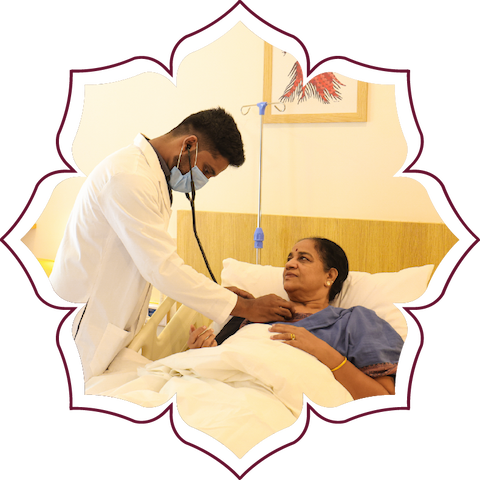
During her initial post-operative assessment, the medical team noted that she was conscious, cooperative, and well-oriented. Her vital signs were stable, though she did have bilateral pitting oedema (swelling) in her legs, which is not uncommon after this type of surgery.
Physical Therapy for Knee Pain: A Structured Rehabilitation Approach
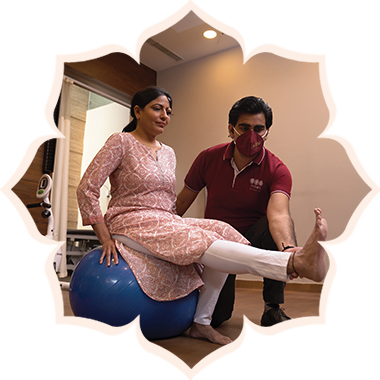
A well-designed physical therapy for knee pain program is essential for successful Orthopaedic recovery after knee replacement surgery. For our patient, rehabilitation began with a comprehensive assessment of her condition and needs.
Initial examination revealed:
- Tenderness around the surgical sites
- Muscle strength of only 2/5 in both knee muscle groups (indicating significant weakness)
- Limited active range of motion due to pain
- Passive range of motion of approximately 40 degrees in both knees
Based on these findings, the rehabilitation team developed a structured care plan with clear short-term and long-term goals:
Short-term Goals:
- Maintain muscle strength
- Lessen pain (as measured by the Visual Analog Scale or VAS)
- Improve range of motion
- Reduce tenderness
Long-term Goals:
- Improve muscle strength to at least 3/5
- Achieve active range of motion of 110-120 degrees
- Return to normal activities of daily living
- Walk without support
Elderly Patient Care: Special Considerations in Knee Replacement Recovery
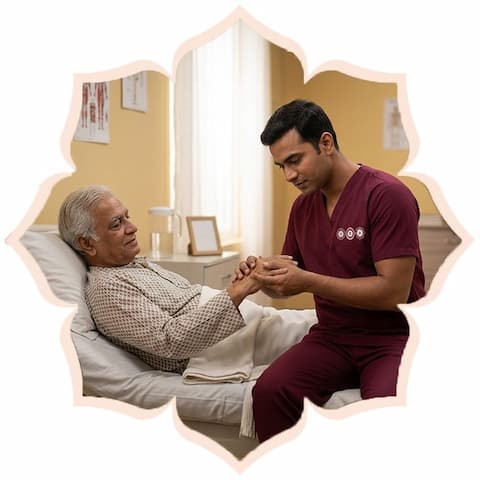
Effective elderly patient care requires attention to details that might not be as critical for younger patients. For our 76-year-old patient, the care plan included:
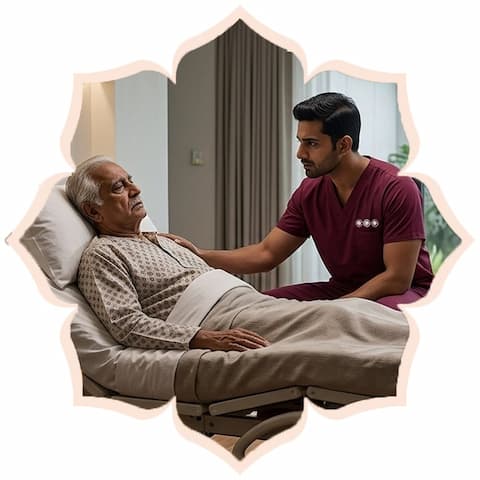
- Vital sign monitoring every 8 hours to ensure stability
- Proper care of the incision site to prevent infection
- Position changes every 2 hours to prevent pressure sores
- Strict infection control practices, including proper hand hygiene
- Consistent medication administration
These measures are particularly important for older adults, who may have reduced physiological reserves and are at higher risk for complications like pressure ulcers, infections, and cardiovascular events.
Stages of Recovery
Rehabilitation Approach
Comprehensive Rehabilitation Plan for Elderly with Knee Pain
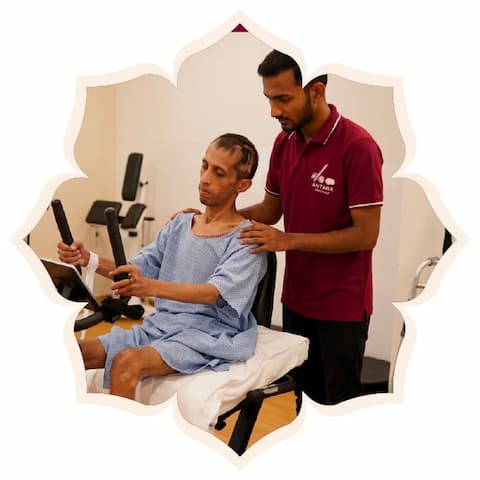
The rehabilitation journey after knee replacement isn’t a sprint—it’s a marathon that requires patience, persistence, and a progressive approach. Our patient’s rehabilitation plan included a variety of interventions designed to address different aspects of recovery:
- Pain Management: Cryotherapy was used to reduce pain and swelling, allowing for more comfortable participation in therapy.
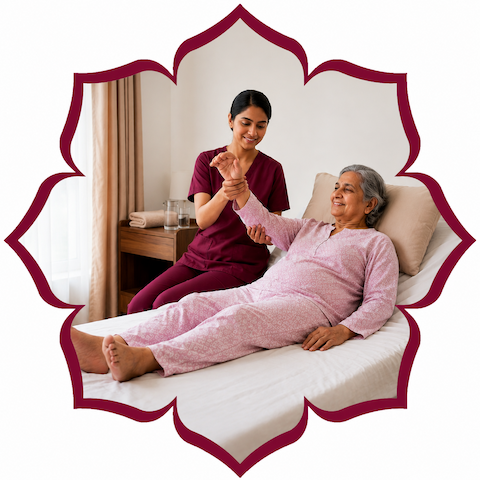
- Range of Motion: Continuous Passive Motion (CPM) therapy helped her maintain and gradually increase joint mobility without requiring active muscle contraction.
- Flexibility: Stretching exercises for the calf and hamstring muscles helped prevent contractures and improve overall lower limb flexibility.
Strengthening Exercises for Seniors After Knee Replacement
Rebuilding strength is a critical component of recovery, but strengthening exercises for seniors must be carefully selected and progressed. For our patient, the program included:
- Strengthening exercises for both knee muscle groups (quadriceps, hamstrings)
- Hip muscle strengthening to support proper lower limb alignment and function
- Ankle and toe movements to maintain circulation and prevent stiffness
- Muscle Energy Technique (MET) for the knee joint to improve function and reduce pain
These exercises were initially performed at low intensity and with assistance, then gradually progressed as the patient’s strength and tolerance improved.
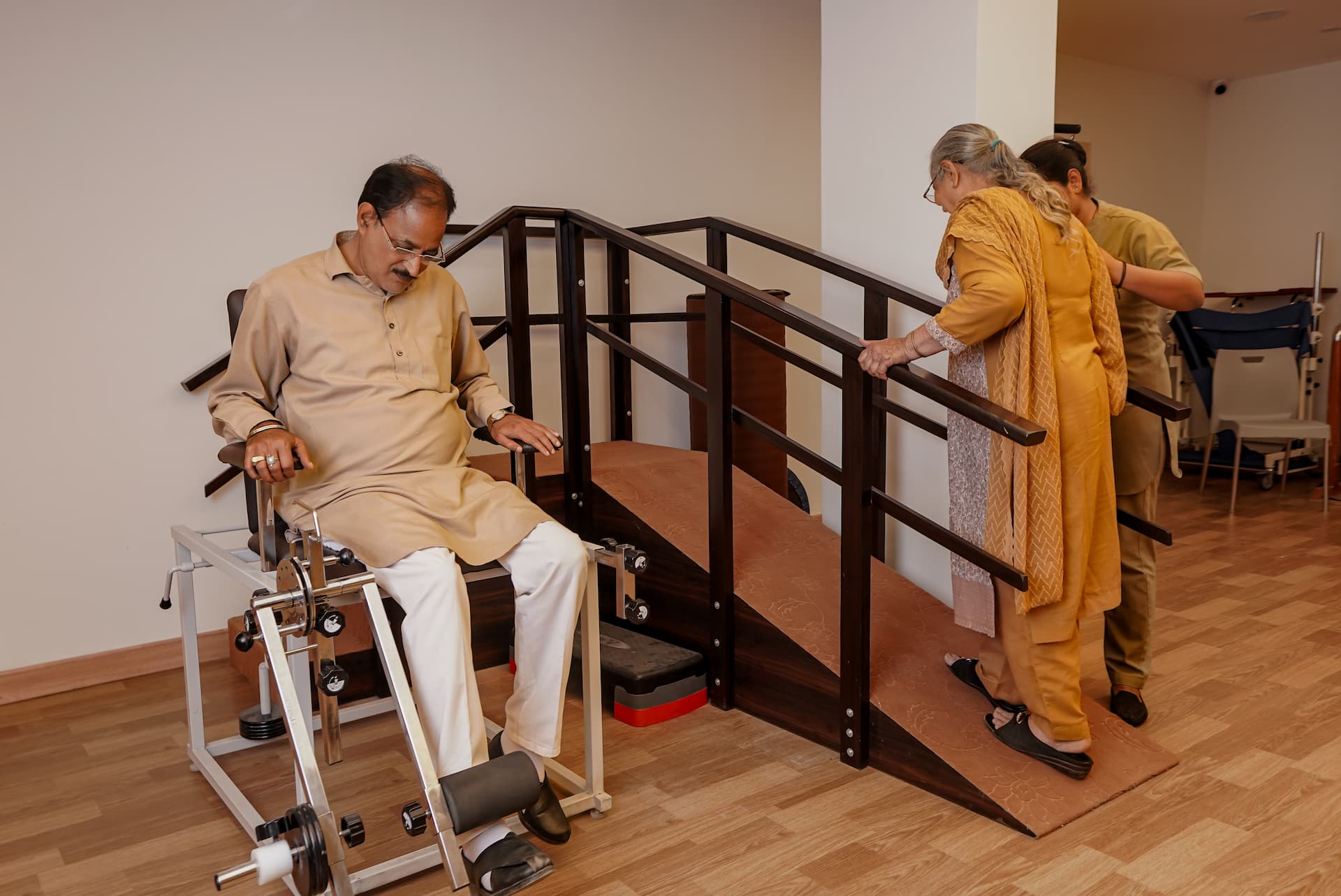
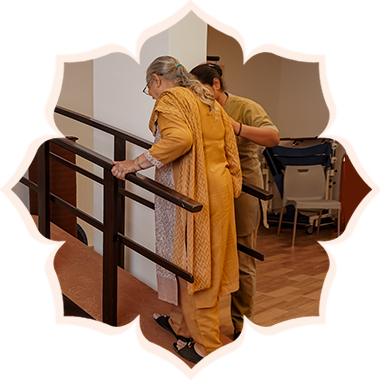
Progressive Gait Training for Post-operative Mobility
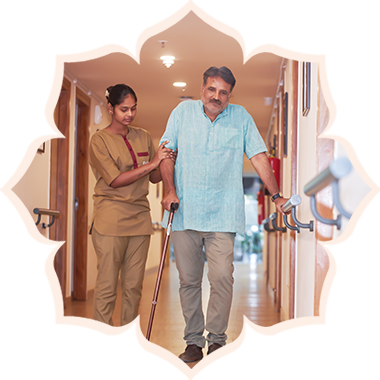
Walking again after knee replacement surgery requires more than just physical strength—it requires relearning movement patterns and rebuilding confidence. The gait training portion of our patient’s rehabilitation focused on:
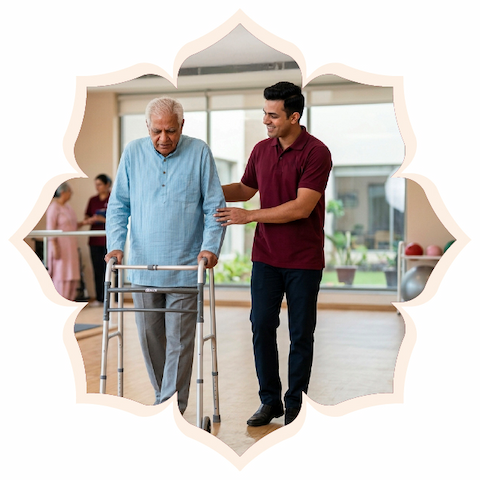
- Initial walking with appropriate support (walker)
- Proper weight-bearing techniques
- Balance training to reduce the risk of falls
- Gradual progression toward more independent mobility
This structured approach to gait training helped ensure safe mobility while working toward the long-term goal of walking without support.
Knee Swelling Treatment: Cryotherapy and Other Interventions
Managing swelling is essential for comfort and optimal healing after knee replacement. Our patient experienced intermittent swelling in both knees, which was addressed through:
- Regular cryotherapy sessions
- Proper positioning and elevation
- Compression when appropriate
- Medication management
Effective knee swelling treatment allowed for better participation in therapy sessions and contributed to overall progress in rehabilitation.
Current Status and Ongoing Recovery
After several weeks of dedicated rehabilitation, our patient has made notable progress:
- Muscle strength has improved from 2/5 to 3/5
- Pain levels have decreased, with her VAS score now at 4 (compared to higher levels initially)
- The active range of motion has increased to 60-70 degrees
- The passive range of motion has reached 90-100 degrees
- She is now walking with support and showing improved stability
While she still experiences some pain and swelling in both knees and has a restricted range of motion, the trajectory is positive. She continues to work on strengthening exercises, range of motion activities, and gait training to further improve her function and independence.
Rehabilitation Goals
The Road Ahead: Continuing the Rehabilitation Journey
Recovery from bilateral knee replacement is not a quick process, especially for older adults. Our patient’s rehabilitation journey continues with ongoing:
- Strengthening exercises for the knee and hip muscle groups
- Range of motion exercises to improve flexibility
- Balance and proprioception training
- Functional activities to prepare for return to daily living tasks
- Gait training to improve walking pattern and reduce dependence on assistive devices
The rehabilitation team regularly reassesses her status and adjusts the treatment plan accordingly, ensuring that interventions remain appropriate and effective as she progresses.
Key Takeaways from This Knee Replacement Journey
This case illustrates several important aspects of knee replacement rehabilitation:
- Individualised Approach: Rehabilitation must be tailored to each patient’s specific needs, considering factors like age, pre-existing conditions, and functional goals.
- Progressive Programming: Starting with basic interventions and gradually increasing intensity and complexity is essential for optimal outcomes.
- Comprehensive Care: Addressing all aspects of recovery—pain, swelling, strength, flexibility, and function—provides the best foundation for success.
- Patience and Persistence: Recovery from knee replacement surgery takes time, especially for older adults. Consistent participation in therapy and home exercises is crucial.
- Realistic Expectations: While significant improvements can be expected, the recovery timeline varies, and some limitations may persist, especially in the early months after surgery.
For our 76-year-old patient, the journey from debilitating knee pain to improved mobility demonstrates the potential benefits of knee replacement surgery when combined with appropriate post-operative care and rehabilitation. While her recovery is still ongoing, the progress she has made thus far provides hope and motivation for continued improvement.
If you or a loved one is considering knee replacement surgery, remember that the procedure itself is just one step in the process. A committed approach to rehabilitation, guided by qualified experts, is essential for achieving the best possible outcome and returning to a more active, pain-reduced lifestyle.
Communication Status
Conclusion