
Introduction
This is the story of Mr Ram. This article focuses on how memory problems wrongly attributed to age were due to neurological issues and how Antara Memory Care Homes brought a positive change in the life of Mr Ram.
Written By

Dr. Manish Swami
Medical consultant, Clinical

Dr. Dharshan N. A.
Consultant – Physical Medicine & Rehabilitation
Understanding the Case
The Beginning of the Problems
Mr. Ram, currently 90 years old, began facing memory-related issues approximately six years ago. He has a medical history that includes a single episode of myocardial infarction, stroke, and well-controlled hypertension. Over time, his condition gradually worsened, significantly impacting his daily functioning and social relationships.
He began exhibiting the following symptoms:
- Decreased self-care
- Erratic behaviour
- Mood swings
- Stubbornness
- Aggression
- Sleep disturbances
Concerned by these changes, his family consulted a neurologist for a thorough evaluation.
What Did the Tests Reveal?
The neurologist recommended blood tests and MRI scans. The MRI showed:
- Chronic lacunar infarcts in bilateral Middle Cerebral Artery (MCA) territory
- Age-related cortical atrophy
Given the episodic nature of the behavioural changes, the neurologist made a provisional diagnosis of Vascular Dementia and initiated medical treatment.
Subsequently, the patient experienced a seizure, and an MRI revealed it as a cortical seizure involving the medial temporal lobe. This development led the family to admit Mr. Ram to Antara Memory Care Home for further management.
Tests at Antara Memory Care Home (MCH), Gurugram
At Antara Memory Care Home, a comprehensive neuropsychological assessment was conducted, which included:
-
Addenbrooke’s Cognitive Examination-III (ACE-III): Score: 64/100
Affected domains: Memory, Fluency, Attention & Orientation, Visuospatial skills - Clinical Dementia Rating (CDR): 1
-
Neuropsychiatric Inventory (NPI): Score: 15
Signs observed: Mood disturbance, Anxiety, Behavioural changes - Everyday Activities Scale for India (EASI): 6
- Young’s Mania Rating Scale (YMRS): Score: 28 — Indicating severe illness
To confirm the diagnosis, Mr. Ram was further evaluated by both a neurologist and psychiatrist. The combination of test results and the observed progression of cognitive symptoms confirmed a diagnosis of:
Moderate Dementia in Alzheimer’s disease, mixed type with vascular and other contributing features.
Stages of Recovery
Progress Overview
With the help of psychotherapeutic interventions, the patient achieved meaningful engagement and experienced a reduction in social isolation. These therapies helped improve Mr. Ram’s mood without requiring increased pharmacotherapy.
The single seizure episode was attributed to the progression of dementia rather than a distinct epileptic disorder.
Rehabilitation Approach
The Beginning of the Treatment
Following admission, the patient's medications were carefully reviewed and adjusted to support both cognitive and physical health. The revised treatment regimen included:
- Donepezil 5 mg
- Telmisartan + Amlodipine 40/5 mg
- Clinidipine 10 mg
- Aspirin + Atorvastatin 150/20 mg
- Quetiapine 50 mg
- Sodium Valproate + Valproic Acid 200 mg – 1 BD
- Lorazepam 1 mg
- Melatonin 3 mg
The team at Antara Memory Care Home closely monitored the patient for potential side effects, including:
- Sedation
- Increased risk of falls
- Metabolic side effects
In addition to pharmacological interventions, several non-pharmacological strategies were implemented to support overall wellbeing:
- A balanced diet rich in fruits, vegetables, nuts, whole grains, legumes, eggs, fish, and berries
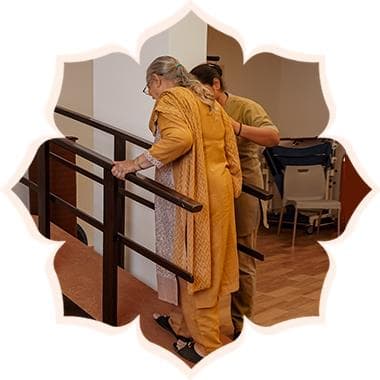
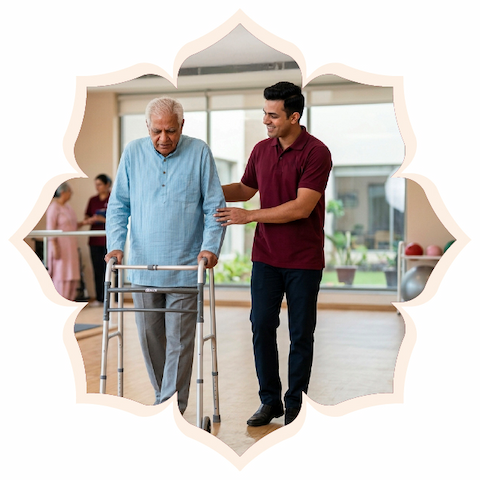
- Regular walking and light physical activity
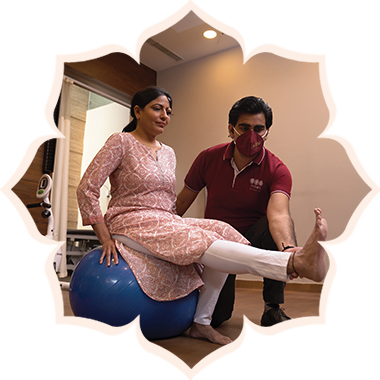
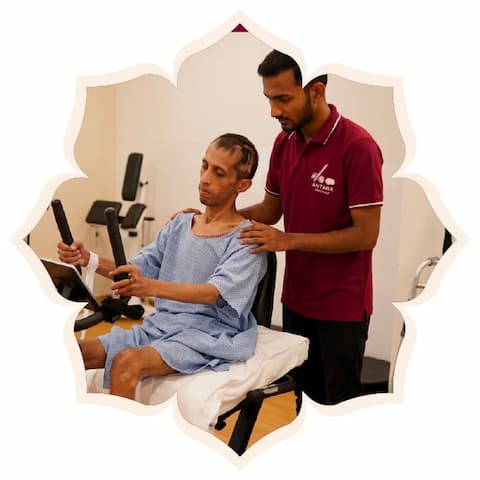
- Structured physiotherapy sessions
Psychotherapeutic Interventions
Psychotherapeutic interventions were customised to suit the patient's age and diagnosis, aiming to support mood stability and social interaction. These included:
- Structured routines
- Simplified interactions
- Engagement in familiar activities
The following are some common psychotherapeutic interventions implemented:
- Behavioural Activation Therapy
- Interpersonal and Social Rhythm Therapy
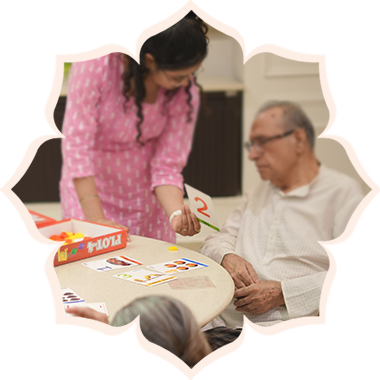
- Cognitive Stimulation
- Reality Orientation
- Validation Therapy
- Reminiscence Therapy
Rehabilitation Goals
Short-Term Goals:
- Initiate non-pharmacological interventions
- Build patient engagement
- Ensure patient safety
Long-Term Goals:
- Promote functional independence
- Improve quality of life
- Develop customised care plans
- Prevent hospital readmissions
Results After 3 Months
After three months, detailed neuropsychological assessments were repeated. The outcomes indicated noticeable improvement:
- ACE-III: 70/100 — showing gains in attention, orientation, fluency, and slight improvement in memory and visuospatial skills
- CDR: 1
- NPI: 12
- EASI: 4
- YMRS: 14
Communication Status
Initial Symptoms:
- Forgetfulness of recent conversations and misplacing items
- Difficulty recalling names and faces of familiar people
- Needed frequent reminders for daily tasks
- Occasional disorientation
- Fluent speech without semantic difficulties
- Normal neurological findings: tone, power, gait, and hearing
- On-and-off episodes of stubbornness, aggression, and verbal outbursts
- Resistance to simple instructions and heightened irritability when challenged
Improvements After 2 Months:
- Reduced incidences of erratic behaviour, mood swings, aggression, stubbornness, and sleep disturbances
- Increased cooperation with caregivers
- Regular participation in structured activities and therapies
Medication Adjustments:
- Sodium Valproate + Valproic Acid: increased to 300 mg 1 BD
- Quetiapine: increased to 150 mg
- Lorazepam: gradually increased to 2 mg
Monitoring Protocol:
- Weekly mental status examinations for the first month, then fortnightly
- Assessments by a trained Clinical Psychologist and Psychiatrist at Antara Memory Care Homes
- Vital signs monitored twice daily
This close monitoring helped track behavioural and cognitive changes, allowing timely adjustments in treatment intensity based on response.
Conclusion
The treatment journey of Mr. Ram illustrates the profound impact of a holistic approach to managing dementia-related challenges. Through a carefully tailored combination of medications and engaging psychotherapeutic interventions, significant improvements were observed in both cognitive function and overall well-being.
This case not only underscores the effectiveness of integrated treatment strategies but also highlights the critical importance of continuous monitoring to adapt care according to the patient’s evolving needs.
As we reflect on Mr. Ram's progress, it is essential for caregivers and clinicians to adopt similarly comprehensive strategies in practice. Such approaches foster meaningful engagement and can significantly enhance the quality of life for individuals experiencing cognitive decline.
Let this case serve as a source of inspiration for continued exploration into innovative care solutions and long-term strategies that prioritise patient dignity, emotional connection, and holistic well-being.