Introduction
Urinary tract infections (UTIs) are among the most frequent bacterial infections affecting older adults bringing specific problems both in diagnosing and treating them. Compared to younger adults, UTIs occur more often in the elderly and may come with unusual symptoms, which can make timely treatment harder. This is a story of Sunit, a 72-year-old woman treated for a complex UTI caused by Proteus Mirabilis and how Antara helped her. She also deals with bipolar disorder and peripheral neuropathy. Her situation showcases how extensive care can help manage UTIs in older patients and provides key lessons for everyone about the importance of Antara care
Written By

Dr. Ramandeep Singh Kanwal
Medical consultant
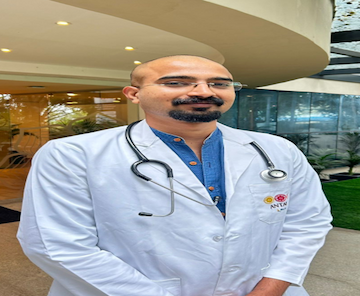
Dr. Rohan
Medical consultant, Clinical

Dr. Manish Swami
Medical consultant, Clinical
Understanding the Case
UTI in Older Adults
Older adults with UTIs often show confusion or changes in behaviour instead of the usual problems, like pain while urinating. This unusual way symptoms appear can make it harder to catch and treat the infection, which might lead to big health problems. In Sunita's situation, she lost control over her bowel and bladder, and after that, her ability to move her limbs got worse until she needed help to do everyday tasks.
Case Study: Sunita
When doctors first checked on Sunita, she was:
- Following verbal commands and remained conscious (GCS: E4V5M6)
- Displaying intense agitation and restless behaviour
- Having weaker muscle strength in arms (4/5 on both sides) and legs (3/5 on both sides)
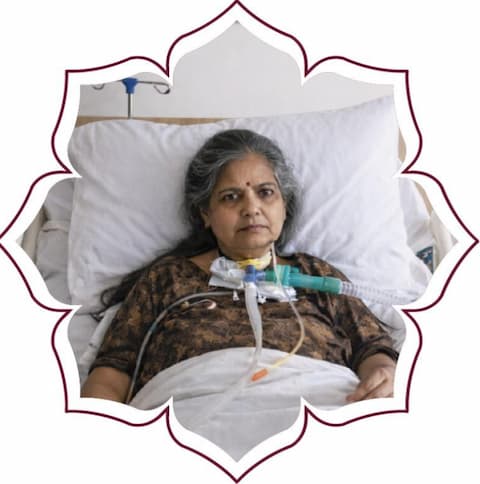
- Confined to bed and using a Foley catheter
- Maintaining stable vitals, including normal temperature, blood pressure, pulse, and oxygen levels
This set of symptoms — the mix of sudden loss of bladder control, severe agitation, and lowered mobility — led to more testing. The results confirmed a complicated UTI caused by Proteus Mirabilis.
UTI Symptoms in Seniors: More Than Just Urinary Issues
Doctors and nurses need to watch out for subtle UTI symptoms in older adults living in care homes. Sunita's case looked very different from the usual UTI signs you see in younger people. Instead of the typical pain while urinating or needing to go to the bathroom a lot, her symptoms were:
- Sudden behaviour changes like severe irritability or agitation
- Weakness in her limbs
- Loss of control over bowel or bladder
- Cloudy-looking urine
Research backs this. It shows that older patients with UTIs often show things like confusion, trouble functioning, or worsening of pre-existing issues rather than the usual urinary complaints. Catching UTI symptoms in older patients makes a big difference and can lead to a better recovery.
Stages of Recovery
Sunita’s recovery shows how full care can lead to great results for older adults with UTIs. Some of her improvements were:
- Fever spikes stopped
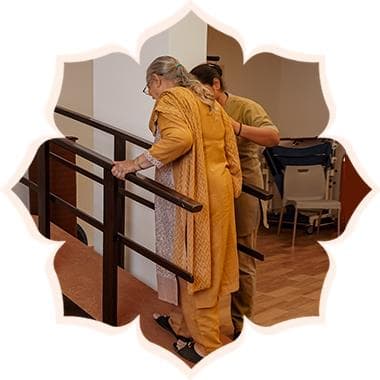
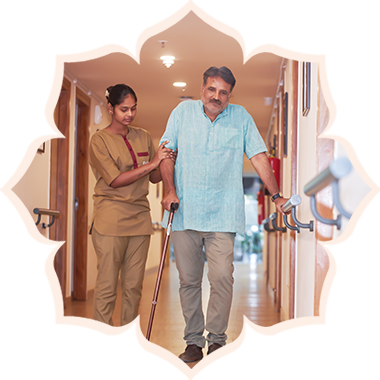
- She went from staying in bed to walking with some help
- Increased muscle strength (upper limbs scored 5/5, lower limbs 4/5)
- The catheter was removed and she could urinate again
- Agitation and crankiness eased a lot
- She could stand on her own without support
These results show why using a team-based approach to manage UTIs in older adults is crucial. It involves tackling both the infection itself and the physical or behavioural issues it causes.
Rehabilitation Approach
Antibiotics to Treat UTI in Older Adults
The medical team chooses the right antibiotic to treat UTIs in older adults by looking at resistance trends in the area and each patient's specific needs. In Sunita's case, her UTI was caused by Proteus Mirabilis, (a gram-negative bacterium that can lead to kidney stones and stubborn infections) making treatment more complex.
Care Plan Includes:
- Giving antibiotics based on culture results to target Proteus Mirabilis
- Monitoring vital signs every 4 hours to track her condition
- Taking strict infection control measures, such as handwashing
- Staying alert to notice confusion or risks of falling
- Measuring blood sugar levels regularly
Doctors sometimes recommend extended antibiotic courses for elderly patients with complicated UTIs like Sunita's. In her case, the medication was continued until her urine was clear and her fever subsided. The medical team closely monitored her progress to ensure the treatment was effective.
Rehabilitation Goals
Complete Elderly UTI Care: More Than Just Antibiotics
This example highlights a well-rounded way to treat elderly patients with UTIs, combining medicine with rehabilitation efforts. Sunita received care that went further than just antibiotics. Her plan included:
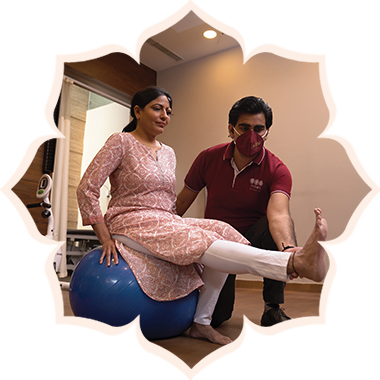
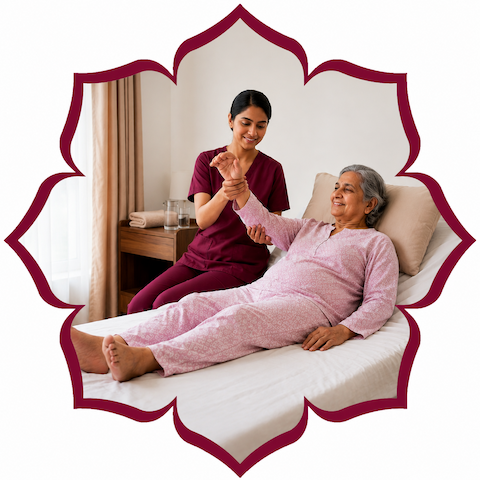
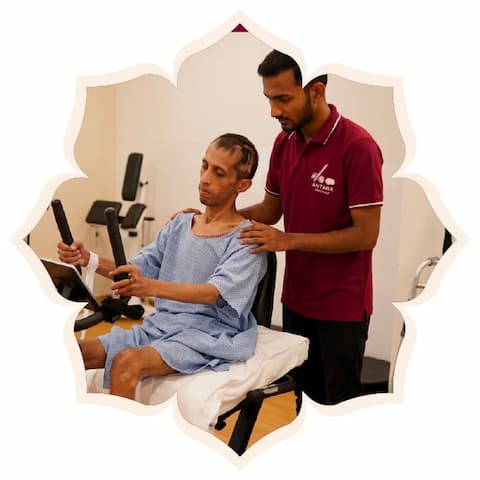
- Exercises to strengthen muscles and improve walking ability
- Support to help with her agitation issues
- Adjustments to medications managing her bipolar disorder
- Care for her catheter, which was taken out
- Movement training that started at her bedside and later moved to a gym setting
The main goals in treating a UTI in elderly patients are not just about eliminating the infection but also bringing them back to their usual health and abilities.
During her 8-day hospital stay, Sunita got much better by days 5 to 7. Her urine looked clearer, she moved around more easily, and her agitation decreased.
Communication Status
Discussion and Takeaways for Practice
Proteus Mirabilis UTIs can be challenging to deal with because this bacterium can cause kidney stones and often links to catheter-related infections. Sunita’s recovery came from several factors working together:
- Spotting an unusual UTI case
- Choosing antibiotics based on culture tests
- Taking a full rehabilitation plan into account
- Treating other health conditions present
- Keeping up with regular checks and evaluations
The case shows why managing catheters in older adults matters. Doctors removed Sunita’s catheter at the first safe moment which helped lower the chance of ongoing or repeated infections.
Cases like this needs continuous care and supervision which is given to her by expert team at Antara Care Homes.
Conclusion
Managing UTIs in older patients involves multiple types of care. This care needs to target both the infection itself and how it affects the person’s ability to function. Sunita’s story proves that even the most challenging cases of UTIs in older adults with many health issues can be treated with the right antibiotics, rehabilitation, and extra support.
This case reminds doctors about some important things to consider. We keep a close watch for UTI in older patients and always watch for sudden changes in behaviour or daily activities. Also everyone should know that UTIs can show up in elderly individuals. To get the maximum benefit the care plan was not limited to just prescribing antibiotics. We aim to help patients regain their regular abilities while also treating the infection at our Care homes.