Introduction
When someone needs surgery to save their life, the future can seem unclear. This is a story of a woman in her late 40s (with a serious health issue) who experienced how post liver transplant transition care at Antara Care Homes changed her recovery from uncertain to hopeful.
Written By
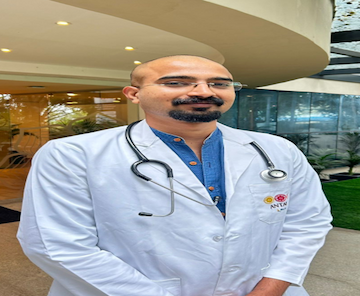
Dr. Rohan
Medical consultant, Clinical

Dr. Dharshan N. A.
Consultant – Physical Medicine & Rehabilitation
Understanding the Case
The Beginning: Facing a Life-Changing Diagnosis
When she reached hospital, her symptoms had gotten worse over time due to liver disease. She had jaundice (yellowish discoloration of skin), ascites (fluid built up in her belly) and hepatic encephalopathy (her liver problems giving her psychological issues). These symptoms made her daily life hard, and each day was pushing her towards more complications.
After a full review, her doctors decided she needed a new liver. This major operation gives patients another shot at life. On September 27th, she got a new liver from a living donor. Doctors took a healthy part of the donor's liver and put it in her body.
The Path to Liver Transplant Recovery
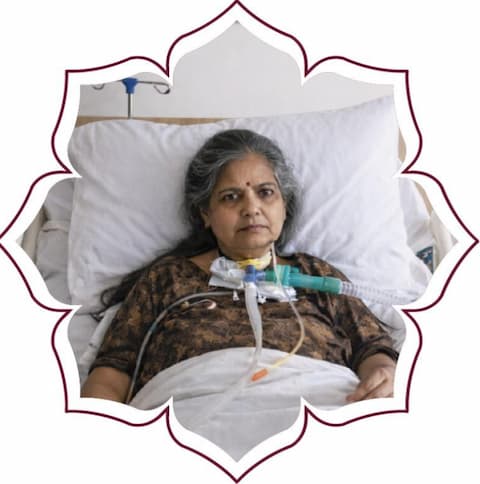
After the surgery she came to Antara Care Homes for special care as she got better. To recover from a liver transplant she needed close watching and help during this key time. When she arrived she was half awake and needed help to breathe through a tube in her throat. She had sores on her skin (because she had been in bed for so long) and was taking food through a tube.
The transition to Antara Care Homes marked the start of a well planned recovery program. The specialised liver transplant services we provided at Antara Care Homes meet all her post-surgery needs while getting her ready to live on her own again.
Comprehensive Liver Transplant Services at Antara Care Homes
The Antara Care Homes team created a detailed care plan to hasten her recovery:
Nutritional Management: Our food experts continuously guided on how to manage tube feeding making sure she got the right nutrients to heal. The liver transplant care team kept a close eye on her nutrition (and changing feeding plans as she got better).
Respiratory Support: As she received oxygen continuously we cared for her tracheostomy (to help her breathe). The respiratory therapy team worked hard to lower her need for oxygen as her lungs got better.
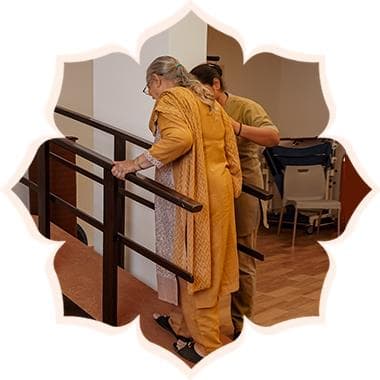
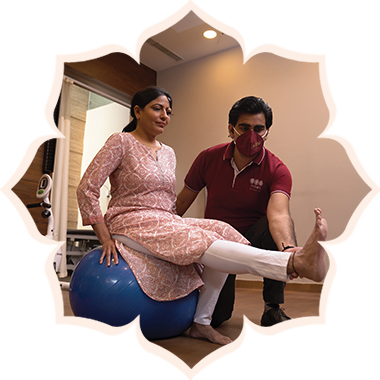
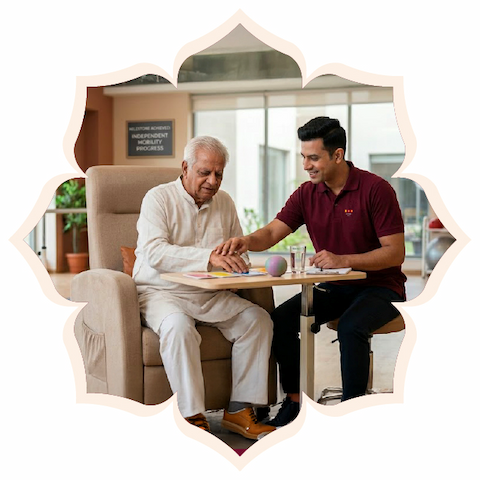
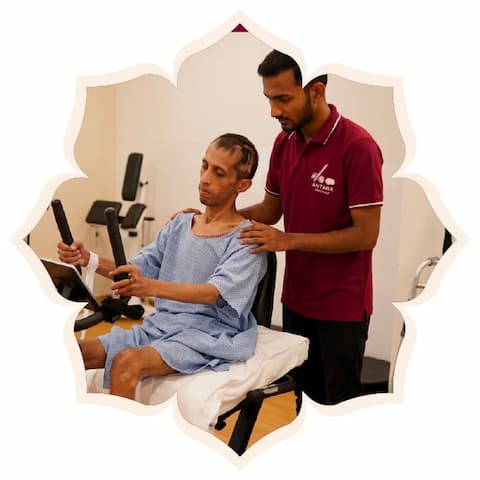
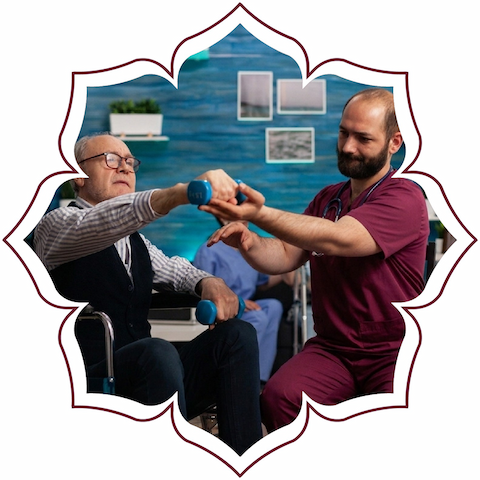
Physical Rehabilitation: She underwent physical therapy to maintain muscle strength and avoid complications like pneumonia. The recovery plan was tailored for transplant patients taking into account the specific challenges in liver transplant of recuperating from a liver transplant.
Wound Care and Infection Prevention: The staff took great care of her wounds. They move her every two hours to stop bed sores from getting worse. The staff also followed strict rules to prevent infections which is important for transplant patients who take drugs that weaken their immune system.
Thorough Monitoring: Day to day care involved careful tracking of liquids (intake & quantity she passes out), managing catheters and taking steps to prevent infections. This close watch helps spot any problems while she was recovering.
Stages of Recovery
Looking Forward: A Testament to Hope
Her recovery story shows how transition care can change lives. When she arrived she was in a critical condition needing a lot of support. Over time, she woke up, got stronger, and became more independent. Her progress highlights what's possible with dedicated liver transplant support.
Her recovery wasn't just about getting better. It also brought back hope and the chance to live a meaningful life again. Her story inspires other patients and families facing tough times. It proves that with the right care and support, people can recover even after very serious illnesses.
Rehabilitation Approach
Key Support for Liver Transplant Recovery
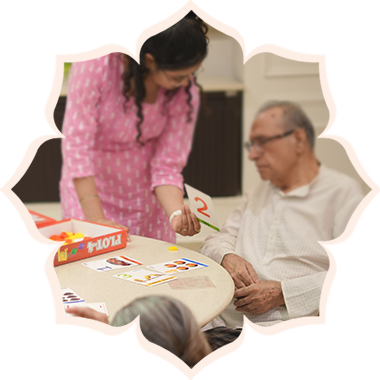
Recovering from surgery involves more than just medical care. A patient's mindset affects their recovery. The liver transplant support from the Antara Care Homes team didn't just focus on health care. It also looked after emotional health and got the family involved.
As time went on, her condition got better. She became more aware and started to react to things around her. Her cough improved a lot, and she began to eat soft foods without problems. The doctors and nurses were able to lower her oxygen support, and in the end, they took out her breathing tube—a big step forward in her recovery.
The Role of the Liver Transplant Caregiver Team
The liver transplant caregiver team at Antara Care Homes played a key part in her successful recovery. Each person on the team had special training to take care of patients after transplant surgery. We were aware of the specific needs and possible issues that could happen during recovery.
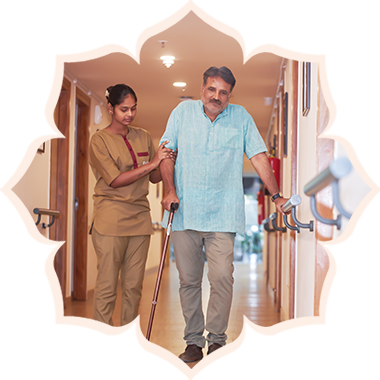
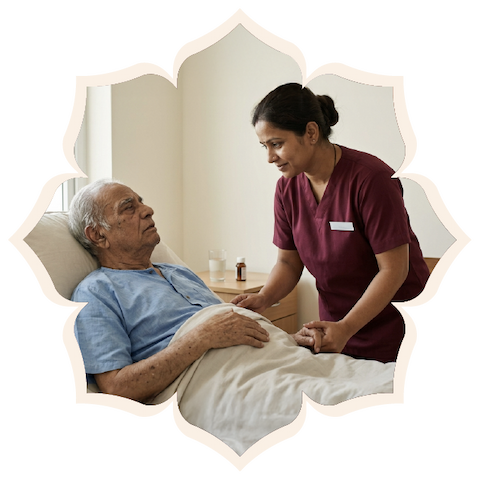
The nursing team kept watch 24/7, checking for rejection signs, infections, or other issues. Rehab specialists helped her get stronger and move better. Social workers gave her emotional backing and got her family involved in her care plan (to make sure they looked after every part of her recovery). The liver transplant caregiver group knew that getting better means more than just being stable (being able to do things on your own and feeling good).
Healing Beyond the Physical Relief
Recovering after a liver transplant goes beyond just physical recovery. You cannot underestimate the mental and emotional parts of getting better. She started to smile and chat showing her developing sense of reconnection with her surroundings. This kind of emotional engagement is key to recovery helping patients tap into their strength & stay hopeful about what's ahead.
The Antara Care Homes offer a supportive space where she can heal at her own pace while receiving the specialised care she needs. The liver transplant housing setup allowed for close medical support in a cosier, more homelike environment compared to a hospital.
Rehabilitation Goals
Setting Goals and Staying Hopeful
The care team set clear targets mentioned below for her recovery journey:
Short-term Goals: Boost awareness and mental sharpness, cut down on oxygen use and better nutrition through eating
Long-term Goals: Stop needing oxygen support, heal bedsores and get ready to move home or to a place with less intensive care.
These goals showed the way to recovery and helped the patient and her family understand what to expect. The team often looked at and changed the liver transplant care plan (based on how she was doing and what she needed).
Why Specialised Care Matters
In this article you can see how important assisted care is in the weeks after surgery. Patients who have just had transplants need experts in many fields (including but not limited to) managing anti-rejection drugs, stopping infections, giving the right nutrition, and helping with recovery.
Antara Care Homes gave her a place to get this specialised care while she started to become independent. The facility knew how to prepare for post liver transplant care at home making sure she'd be ready for the next step in getting better when the time was right.
Conclusion
Stories like this are evidence of how expert transition care can improve the outcome of complicated surgeries like liver transplants. If you are able to get the best of these services in time you are surely on your way to good health.
When families look at options for care after a transplant, this account proves that the best care homes for liver transplant patients do more than just watch over medical needs they give hope, help people heal, and have the special know-how needed to get the best recovery results. You can definitely complete your journey (from a life-threatening illness back to health) with the right care, support at assisted living facility.