Introduction
Even at the age of 62 life can throw changes that turn everything upside down in a moment. This is the tale of a brave man who got a serious brain problem (he had bleeding in the posterior or back part of her brain). This is the story of how recovery in premium old home allowed him to find new hope (rebuild his life one step at a time).
Written By
Dr. Manish Swami
Medical consultant, Clinical

Dr. Dharshan N. A.
Consultant – Physical Medicine & Rehabilitation
Understanding the Case
The Start: A Quick and Serious Diagnosis
One morning, the patient felt dizzy all of a sudden, had a bad headache and couldn't keep his balance. These signs pointed to a dangerous brain bleed in the back of his skull, an area that controls key functions like staying steady and coordinated.
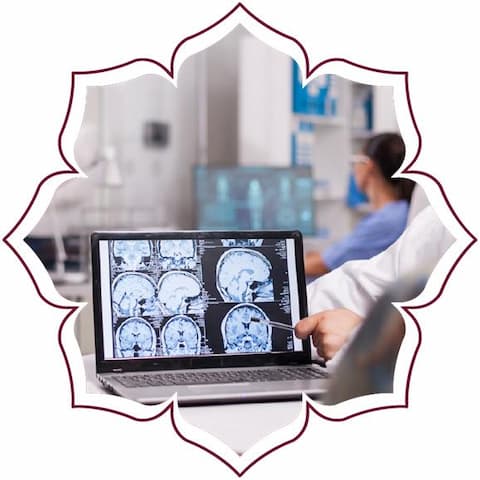
His family rushed him to the hospital where brain scans showed a bleed inside his brain in the back part of his skull. This kind of bleed can kill you and needs quick care from brain doctors. At first, the patient stayed in the hospital's special unit where they watched him, kept the pressure in his brain under control, and made sure his body's vital signs stayed stable.
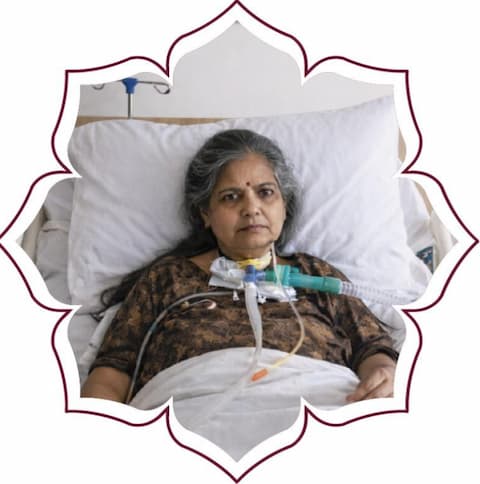
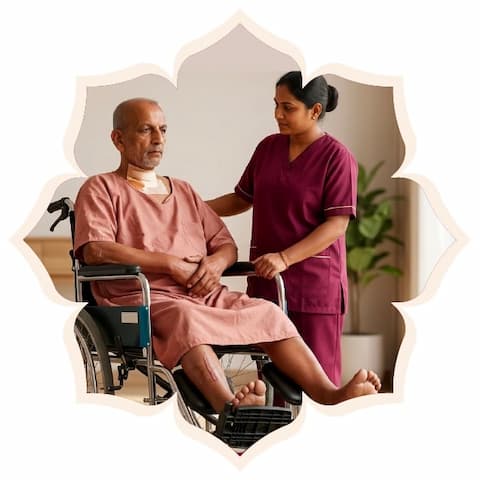
During this period, the patient was in a delicate medical state (awake, struggling to breathe and swallow). Doctors put in a tracheostomy to help him breathe, and they fed him through a tube in his nose to make sure he got enough food.
Moving to Special Recovery Care
After his condition became stable, the next key step was Transition Care. Here the goal has changed from urgent treatment to make him recover faster and regain his independence.
He moved to Antara Care Home, which focuses on his rehabilitation and medical management. Our place was set up to handle his complex needs. Here our post-surgical intervention team worked on helping him move from hospital life back to home life, giving him expert nursing care, physical and mental rehab and emotional help.
Rehabilitation Approach
Tailoring Care: The Core of Transition
The team tailored each aspect of his treatment (which were flexible based on decisions after regular evaluations and teamwork between medical experts)
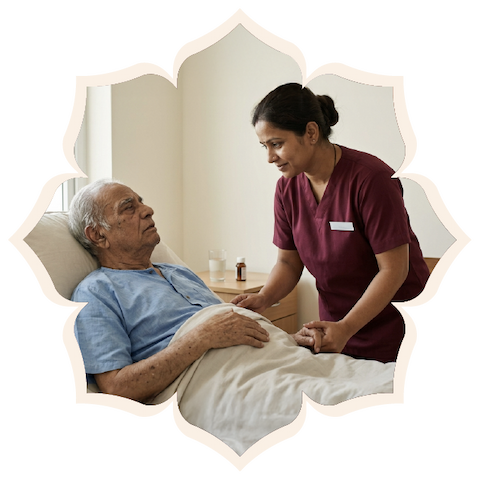
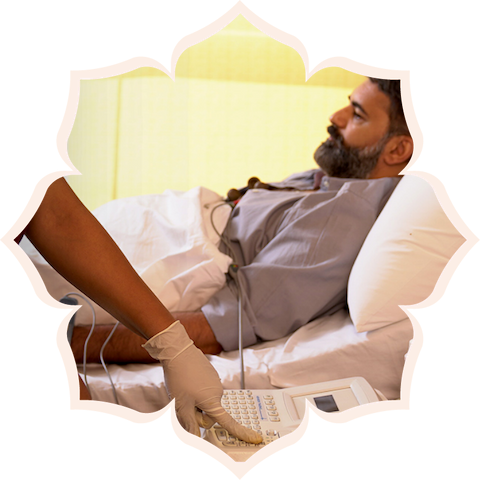
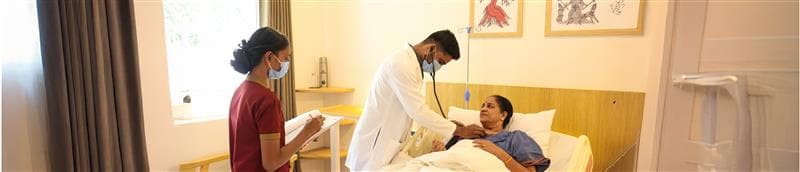
Neurological Monitoring and Support:Neurologists and nurses check his consciousness, motor responses and brain signs. These checks help them adjust his therapy and medicines.
Respiratory Care:Staff maintain his tracheostomy and give him breathing therapy to boost his lung function. As he gets better, they reduce his need for breathing support.
Swallowing and Nutritional Support:Speech and job therapists work to check if he can swallow and start oral feeding trials. Food experts create eating plans (combining tube feeding with more oral intake) as he improves. This ensures he gets proper nutrition to heal.
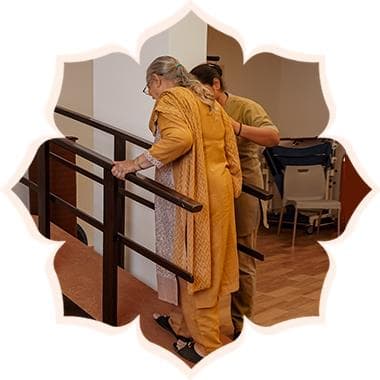
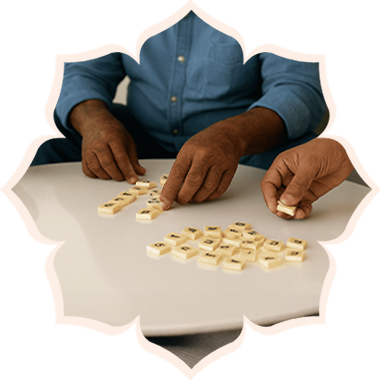
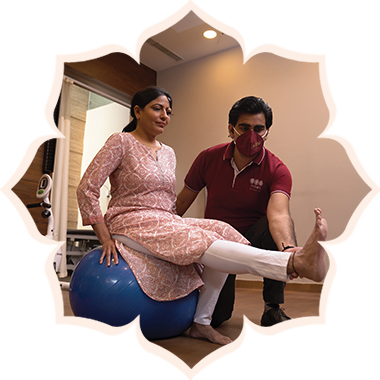
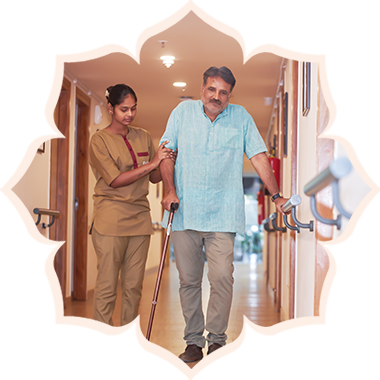
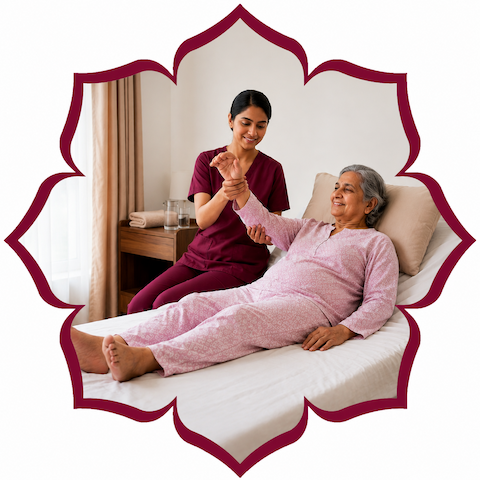
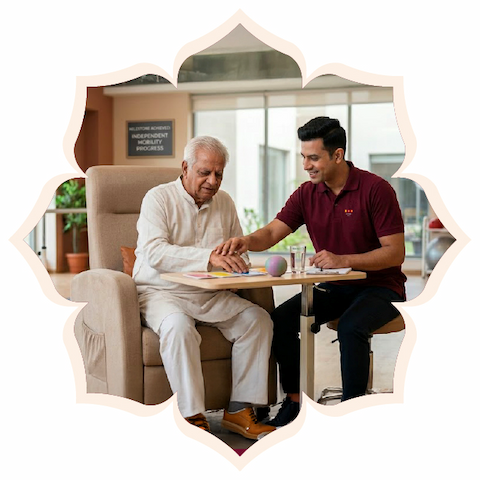
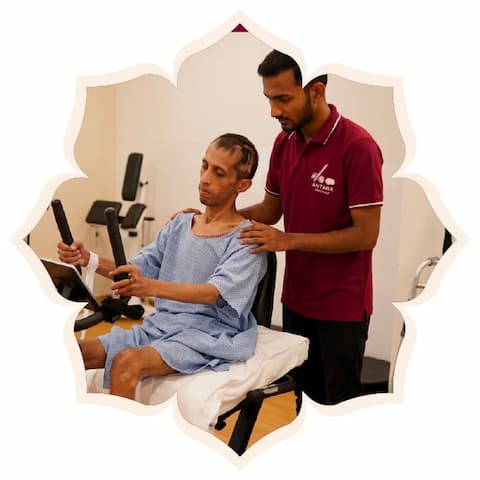
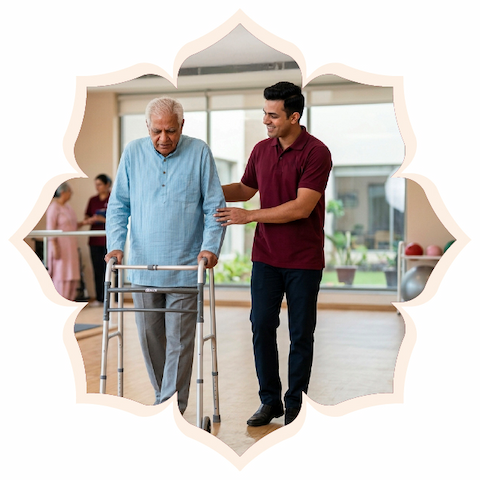
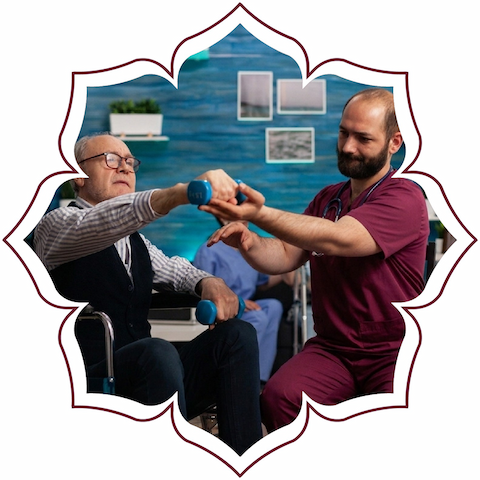
Physical Rehabilitation:We were there for him to prevent muscle wasting, improve limb strength & better his balance with our physiotherapists planned physical and mobility exercises based on his needs and status. At the same time occupational therapists focused on day-to-day activities so that he can regain his skills (like sitting up, maintaining balance and improving fine motor control).
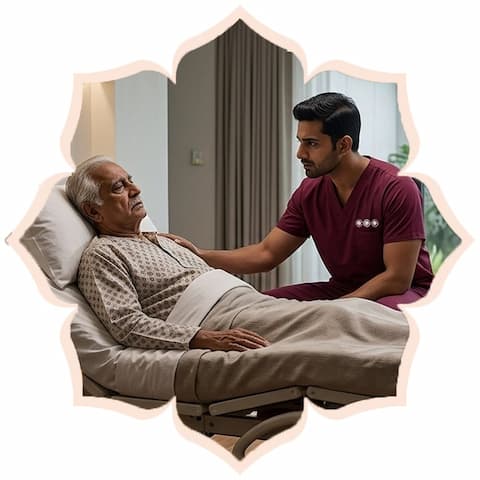
Skin and Wound Care:We changed his sides every 2 hours to prevent bedsores. Our team made it sure that his skin is always clean & healthy.
Infection Control:Our team left no stone unturned to prevent infections (important since he was on tracheostomy and catheters). This helped lower the risk of pneumonia and bladder infections.
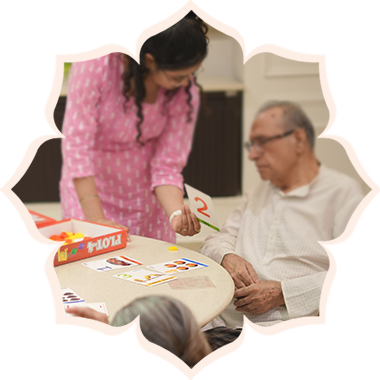
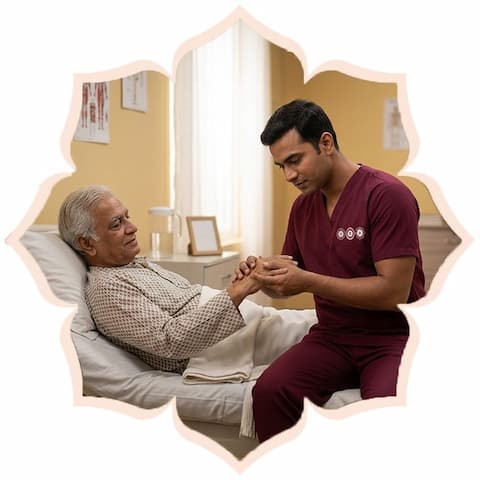
Emotional and Psychological Support:The illness was not only physical but it was affecting his emotional health also. We gave him compassionate care so that he could deal with the hard parts & got him to talk with others for moral support.
Family Involvement:Family was an important pillar in his journey. To keep him connected and feel supported by his loved ones we kept his family in the loop and asked for their input on care plans.
Rehabilitation Goals
Clear Goals Driving Recovery
The Care Home defined both short- and long-term goals tuned to his evolving condition:
| Goal Type | Objectives |
|---|---|
| Short-term | Improve awareness and responsiveness to surroundings; reduce reliance on ventilatory support; initiate safe oral intake trials. |
| Long-term | Achieve independence in breathing without tracheostomy; fully healed skin integrity; regain mobility to sit and stand with assistance; safe return to home environment if possible. |
Milestones of Progress: Small Steps, Big Victories
In the weeks that followed small but important signs of improvement began to show (including but not limited to):
- His eyes started opening on their own and he began reacting to sounds showing he was becoming more alert.
- The patient's cough got stronger, which helped clear mucus from his lungs.
- He moved from relying on a feeding tube to trying soft foods always under close watch.
- The medical team planned to cut down on his oxygen needs and remove his tracheostomy tube.
- In physical therapy, the patient worked on moving his arms and legs against gravity and sitting up straight.
- Each small win marked progress from being ill to getting his life back.
How Transition Care Helps
This story shows how important Transition Care is after a severe brain injury like bleeding in the back of the brain. Antara Care Homes with special expertise gave a safe caring place where complex medical needs, rehab, and emotional healing could come together.
The team of different experts worked together to give her a kind of care that hospitals alone could not keep up for the long time needed for brain recovery.
Communication Status
Looking Ahead: A Future Built on Hope His story proves that with full care, people can bounce back. Even though things looked bad at first, the teamwork between the patient, family and Antara Care Home staff has opened a path to more independence and a better life. The goal stays clear - a steady progress, healing body and mind, and eventual return to a home setting where he can enjoy comfort and familiar surroundings with proper ongoing support. Conclusion How Transition Care Helps Neurological Recovery Posterior fossa intracerebral haemorrhage poses a tough challenge requiring a wide range of care beyond acute management. Transition Care in Antara Care Homes acts as the key link helping recovery through expert nursing, rehabilitation therapies & emotional support. For people facing similar brain traumas this approach gives hope and the possibility of turning a serious health crisis into a tale of bouncing back and getting better.
Conclusion
How Transition Care Helps Neurological Recovery
Posterior fossa intracerebral haemorrhage poses a tough challenge requiring a wide range of care beyond acute management. Transition Care in Antara Care Homes acts as the key link helping recovery through expert nursing, rehabilitation therapies & emotional support.
For people facing similar brain traumas this approach gives hope and the possibility of turning a serious health crisis into a tale of bouncing back and getting better.