Introduction
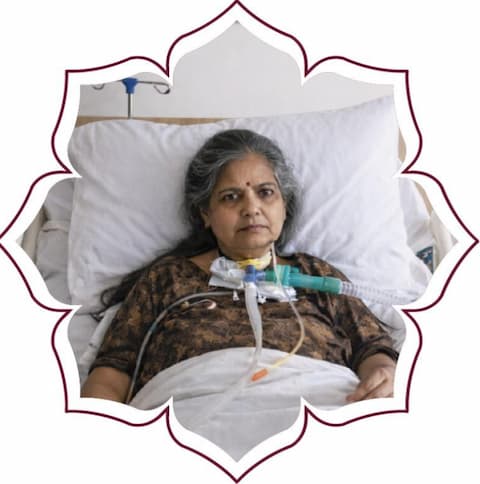
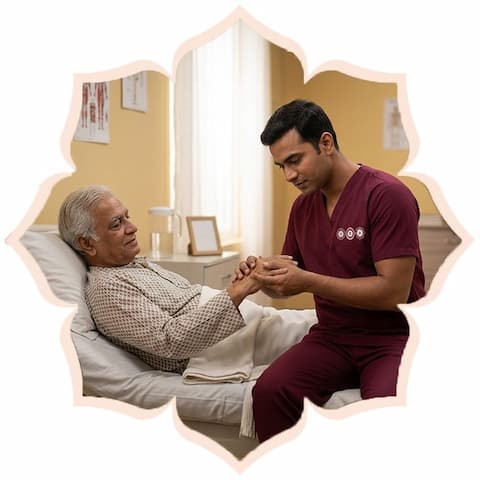
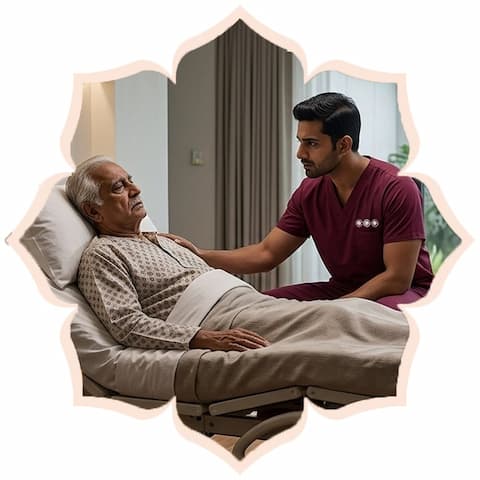
This is the story of an 81-year-old male patient. When he arrived at Antara Memory Care, his condition was not good. His family noticed a sudden change. His senses were altered, and the family also observed decreased responsiveness for two days. He developed problems with passing urine (urinary incontinence). Doctors suggested some investigations, which revealed non-hemorrhagic ischemic lesions and multiple microbleeds.
Written By

Dr. Lovely Aggrawal
Medical consultant, Clinical
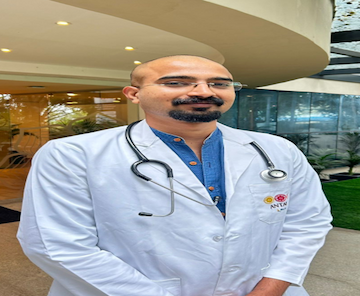
Dr. Rohan
Medical consultant, Clinical
Understanding the Case
Developing a Personalised Care Plan
Rehabilitation process at Antara care home started with creating a comprehensive care plan. We thoroughly went through his discharge summary and created a personalised clinical assessment. The care team implemented several immediate interventions:
- Used Ryles tube for feeding
- Change positions every 2 hours to prevent bed sores
- Strictly monitored fluid intake and output
- Oral, urogenital, and back care
- Fall prevention protocols
- Strict infection control practices
- Proper Foley’s catheter care and regular changes
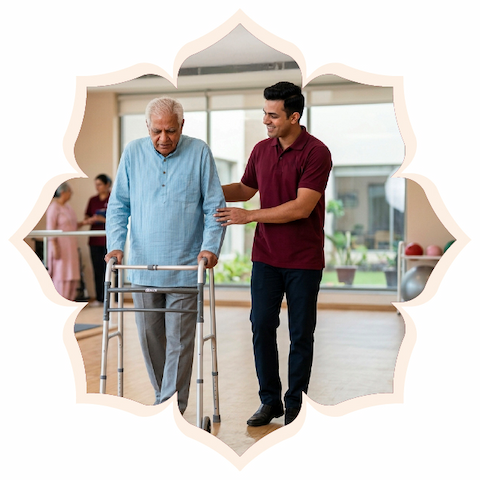
The memory care rehabilitation approach included both short-term and long-term goals. Our immediate focus was on preventing chest congestion. We also aimed at maintaining the existing range of joints' motion while preserving muscle tone and maintaining existing muscle strength. Our long term goal was to improve muscle tone and strength, enhance balance and coordination, improve gait, and ultimately enhance Activities of Daily Living (ADLs).
Stages of Recovery
Rehabilitation Approach
Week-by-week Progress: How Antara Brought Relief
Our stroke recovery care team monitored and documented his progress week by week. This methodical tracking of progress allows experts to make timely adjustments to his recovery plan.
Week 1: Establishing a Benchmark and Initial Interventions
During the first week, he remained drowsy, though his vitals were stable. He showed generalised weakness and was unable to move his limbs. The physiotherapy assessment noted muscle wasting, calf muscle tightness, and chest congestion. The team focused on respiratory care and passive range-of-motion exercises.
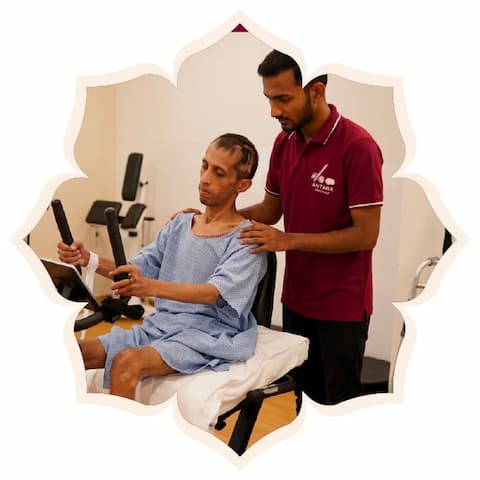
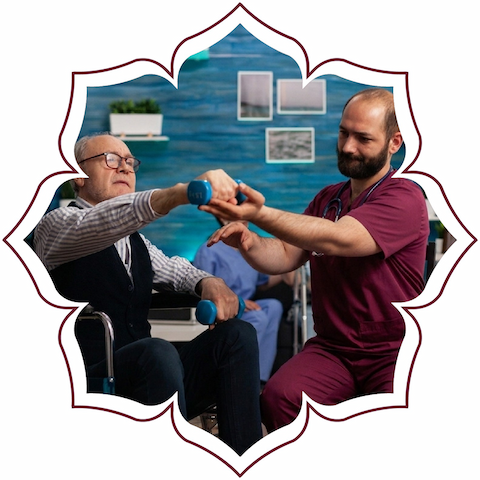
Physical therapy for any seniors with considerable limitations requires special techniques. For him, our therapists used gentle passive movements to maintain joint flexibility. Parallel to this, they worked on respiratory therapy to address chest congestion.
Week 2: Signs of Improvement
By week two, there were noticeable encouraging changes. He became conscious and oriented, though he experienced a few mild fever spikes. While still unable to move his limbs and showing signs of muscle wasting and hypertonia (increased muscle tone), the consistent care was beginning to show results.
The rehab process for seniors like him needs patience and persistence. At Antara, our care team continued with the treatment while continuously tracking his fever spikes and other symptoms and adjusting the treatments accordingly. The medical team continued to closely monitor his sodium levels.
Week 3: Fluctuations in Recovery
The third week brought mixed results — he became drowsy again with a recurrence of fever. On the other hand, the physiotherapy sessions started showing results. There were flicker movements in his limbs. Though overall muscle power was at a lower level and the calf muscles were still tight, but importantly, his chest had cleared of congestion.
This type of improvement with new minor conditions is common in elderly rehabilitation. It is more common in patients recovering from neurological diseases. The care team at Antara was flexible throughout the treatment journey, adjusting the treatment.
Rehabilitation Goals
Current Status and Ongoing
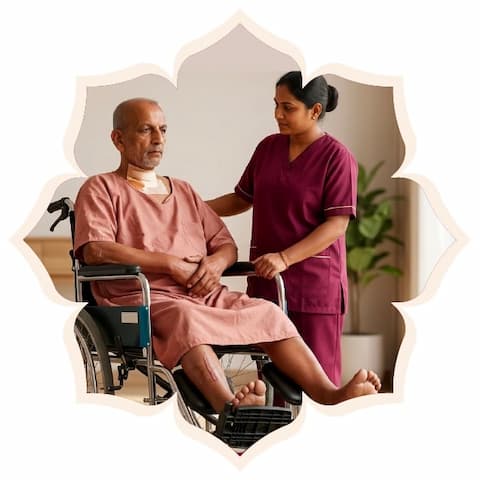
Currently, however, he has some challenges in his recovery journey. He started taking the oral semisolid food diet with the help of assistance. The clinical improvement is evident as he is now mobilized to a wheelchair, the catheter has been removed, and the hematuria has resolved completely.
The physiotherapy assessment notes that he is conscious (Glasgow Coma Scale score: E4V5M6), responds well to verbal commands, and exhibits improvement in muscle tone from his initial inability to move at all. Despite these challenges, the bedridden patient care protocols have successfully prevented pressure sores, and his respiratory status has improved with the clearing of chest congestion.
The Holistic Approach to Recovery
Antara's holistic approach to care makes the patient's recovery journey unique. Rather than focusing only on medical management, the team focuses on all aspects of patients' well-being:
- Medical Management:
- Hyponatremia treatment
- Monitoring vital signs
- Addressing recurring fever
- Physical Rehabilitation:
- Physiotherapy for improving muscle strength & joint mobility
- Joint compression and distraction technique
- PNF stretching
- Respiratory Care:
- Clearing chest congestion through various methods
- Active breathing exercises
- Preventive Care:
- Position changes
- Skincare
- Catheter care to prevent complications
- Nutritional Support:
- Ensuring adequate nutrition despite poor oral intake
This all-inclusive rehab approach ensures that while progress may have some ups and downs, the overall journey moves toward improvement. Improvement in activities of daily living stays a central goal, even when progress is measured in small increments.
Communication Status
Conclusion
Recovery from serious neurological incidents in senior patients is rarely linear. His journey shows both the challenges and possibilities in elderly rehabilitation. While he continues to face significant complications, the appearance of improvements in previously immobile limbs offers hope.
The rehab team at Antara remains committed to his recovery, adjusting approaches as needed and celebrating even small improvements. For families facing similar situations, his story demonstrates the importance of specialised care facilities with expertise in complex rehabilitation cases.
The patient care journey continues, with each day bringing new opportunities for progress. Through personalised care, medical expertise, and unwavering dedication, Antara Memory Care provides not just treatment but genuine hope for recovery and improved quality of life.