Introduction
Alzheimer’s Disease is widely known as the most common form of dementia, characterized by progressive cognitive decline, memory loss, & behavioural changes.
Written By

Dr. Rohan
Medical consultant, Clinical
Understanding the Case
The Patient’s Background
Our patient, a 72-year-old female from an upper-middle socioeconomic background. She is a homemaker with well-controlled Type 2 Diabetes and Hypertension conditions. She had a history of two episodes of depression with anxiety without any history of head injury, surgical complications, or substance addiction. Importantly, there was no family history of psychiatric disorders, dementia, or sudden death in first-degree relatives.
Early Signs and Misdiagnosis
At age 69, she began showing concerning symptoms:
- Forgetfulness
- Self-neglect
- Suspiciousness
- Aggressive and abusive behaviour
- Sleep disturbances
Initially, family members attributed these changes to normal ageing and attempted to manage her at home. However, when she was about 70 years old, an episode of aggression and verbal hostility—fuelled by persistent paranoid delusions targeting her spouse—prompted the family to seek professional help.
A psychiatrist ordered brain imaging and blood tests. Due to the patient’s aggressive behaviour, the family was unable to complete the MRI and only blood tests were performed, which were largely unremarkable except for low vitamin D levels. Based on the limited diagnostic information, the psychiatrist diagnosed her with Delusional Disorder. The drugs prescribed to the patient were:
- Escitalopram 5mg
- Risperidone 0.5mg twice daily
- Lorazepam 1mg
These medicines not only improved her sleep but also reduced aggression. On the flip side, the patient still had delusions. Over the period of nine months, her doses were increased to:
- Risperidone 4mg
- Escitalopram 15mg
- Lorazepam 3mg
The Phase of Specialised Care
The patient’s cognitive symptoms continued to worsen even after changing the doses. By age 72, she had:
- Increased forgetfulness
- Extreme self-neglect (no sense of proper clothing or bathing)
- Pulling away from social gatherings
- Further declination in daily functioning
As her memory and thinking got worse, the family decided to move her to Antara Care Home in Gurugram for specialised care and management.
The Phase of In-depth Diagnosis
We did a detailed neuropsychological evaluation to understand the condition of the patient. The findings of the reports were:
- Addenbrooke’s Cognitive Examination-III (ACE-III): Score - 47/100, indicating memory, fluency, attention and orientation problems, with weak visuospatial skills
- Clinical Dementia Rating (CDR): Score of 2, indicating moderate dementia
- Neuropsychiatric Inventory (NPI): Score of 21, highlighting agitation, irritability, anxiety, and substantial behavioural changes
- Everyday Activities Scale for India (EASI): Score of 7, indicating substantial functional impairment
- Geriatric Depression Scale (GDS): Score of 4
- Brief Psychiatric Rating Scale (BPRS): Score of 44, indicating depression, anxiety, unusual behaviour, and thought content
Upon examining her mental status, we found that she was suffering from impaired memory and cognitive function and paranoid delusions (particularly towards her spouse). The patient had a Grade 1 insight — minimal awareness of her condition.
The patient was referred to a neurologist and psychiatrist for a clear diagnosis, and an MRI was done at that time. The MRI showed cerebral atrophy, ventricular enlargement, and cortical thinning. Along with MRI details, the gradual progression of cognitive symptoms, neuropsychiatric profile, and neuropsychological assessment led to a conclusive diagnosis of “Dementia in Alzheimer’s Disease with predominantly Delusional Symptoms” (ICD-10 code F00.11).
Stages of Recovery
Rehabilitation Approach
Pharmacological Management
The patient’s treatment plan included carefully adjusted medications:
- Donepezil 5mg (for cognition)
- Telmisartan + Amlodipine 40/5 mg (for hypertension)
- Risperidone 1mg (later increased to 3mg for better management of persistent delusions and aggression)
- Escitalopram 5mg
- Lorazepam 1mg
Experts carefully monitored all medications for side effects like sedation, increased fall risk, and metabolic changes. The interdisciplinary team regularly reviewed and adjusted medications to minimise cognitive side effects while optimising symptom control.
Non-pharmacological Interventions
The treatment plan went far beyond medications to include:
- Dietary Modification: A brain-healthy diet rich in fruits, vegetables, nuts, whole grains, legumes, and berries
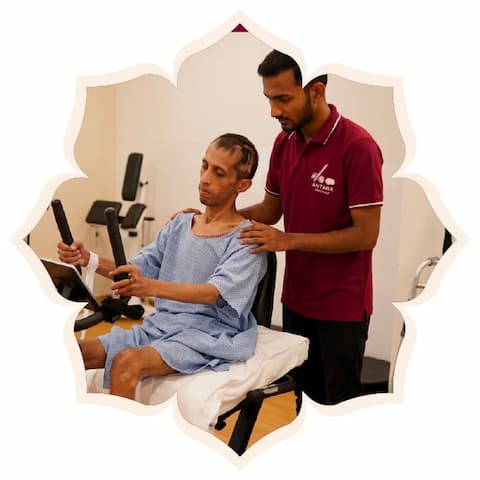
- Physical Activity: Regular walking and physiotherapy
-
Psychotherapeutic Interventions:
- Behavioural activation therapy
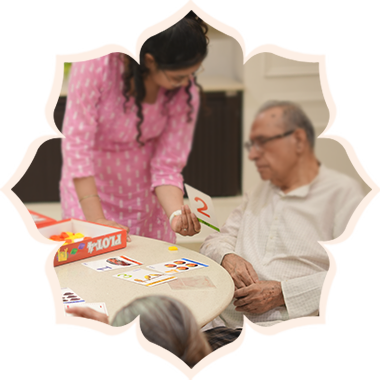
- Cognitive stimulation (solving simple puzzles, naming familiar objects, discussing daily routines)
- Supportive therapy
- Reality orientation
- Reminiscence therapy
- Validation therapy
- Functional support
Although the patient suffered from a moderate stage of dementia, these therapies provided meaningful engagement and reduced social isolation. The care team avoided direct confrontation with delusions; instead, they acknowledged emotions to reduce distress and monitored triggers for delusional episodes.
Rehabilitation Goals
Positive Outcomes and Insights
After 45 days of admission, there was a notable improvement in self-neglect, suspiciousness, aggressive behaviour, and sleep disturbance. The patient started to bathe and dress herself regularly. By the end of three months, her cognitive and behavioural measurements showed meaningful improvements:
- ACE-III: Improved from 47/100 to 54/100. The patient showed better attention, orientation, fluency, and slight improvements in memory and visuospatial skills.
- NPI: Decreased from 21 to 16 - indicating reduced behavioural symptoms
- EASI: Improved from 7 to 4
- GDS: 3, indicating mild depression
- BPRS: 32
These improved numbers showed better functional independence, with the patient resuming basic self-care activities. The family was satisfied with her improvement and decided to take her home with regular follow-up care at the memory care centre.
Lessons for Families and Caregivers
This case highlights several important insights for families caring for loved ones with Alzheimer’s disease:
- Delusions and disorientation are part of the disease process
- Environment matters — reducing triggers that may cause delusional thoughts can help lessen their intensity and frequency.
- Comprehensive memory care works effectively. A combination of appropriate medications, dietary modifications, physical activity, and therapeutic interventions can significantly improve quality of life.
- Caregiver education is also crucial. Family education about the cognitive underpinnings of delusions and strategies for modifying the environment can reduce triggers and improve outcomes.
Conclusion
This case underscores the importance of recognising delusions as a significant aspect of Alzheimer’s disease. For people with Alzheimer's disease, it's important to be careful with medications. Non-pharmacological approaches should be tried first to help manage symptoms safely.
Regular screening for delusions in Alzheimer's is vital — especially in patients showing significant memory loss or unusual behavioural changes. For families, understanding the complex interplay between cognitive decline and delusions can lead to more compassionate and effective care strategies.