
Introduction
Scrub typhus is a serious infectious disease caused by the Orientia tsutsugamushi bacterium. It creates a big health problem in many parts of Asia. This case study of scrub typhus focuses on how early diagnosis and proper rehabilitation are crucial to
Written By
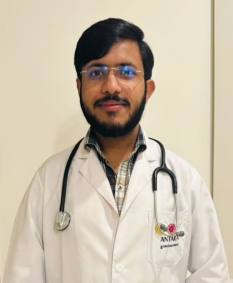
Dr. Lovely Aggrawal
Medical consultant, Clinical

Dr. Manish Swami
Medical consultant, Clinical
Understanding the Case
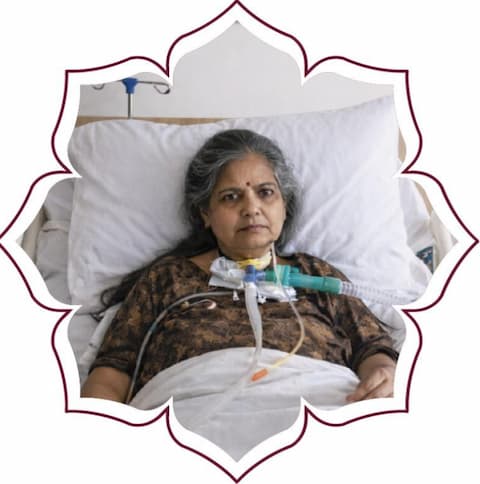
Doctors first admitted the patient to a local hospital on June 22, 2025. She had symptoms like fever, muscle pain, and trouble breathing. Her health got worse leading to seizures. This made it necessary to shift her to Fortis Hospital on June 30. When she reached there, she showed signs like low oxygen, fast breathing, and confusion. The medical staff took her to the Medical Intensive Care Unit right away. She needed a breathing tube because of severe trouble with her lungs.
Doctors identified severe Acute Respiratory Distress Syndrome (ARDS) during the patient’s first assessment. ARDS created difficulties with ventilation. To ensure proper oxygen levels, doctors applied ARDS management steps based on well-researched methods that used specific ventilation techniques.
Stages of Recovery
To recover from critical illness neuropathy, the patient followed a comprehensive Critical Illness Neuropathy Rehabilitation Plan.
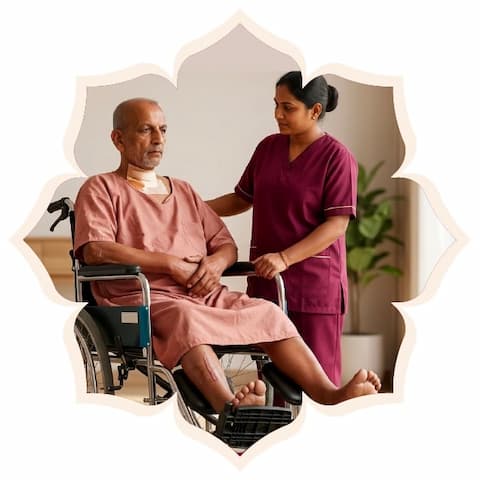
After discharge, she was transferred to Antara Care Home for further rehabilitation. An initial physical examination conducted by the doctors revealed the following:
- The patient was conscious and oriented with a Glasgow Coma Scale score of E4V5M6.
- Severe muscle weakness was present, with power graded as 1/5 in the left upper limb, 0/5 in the left lower limb, 1/5 in the right upper limb, and 0/5 in the right lower limb.
- The patient appeared pale but showed no signs of jaundice, cyanosis, clubbing, lymphadenopathy, or edema.
- Respiratory system examination revealed bilateral crackles.
- A pressure sore measuring 4 × 4 cm was noted in the right inguinal region.
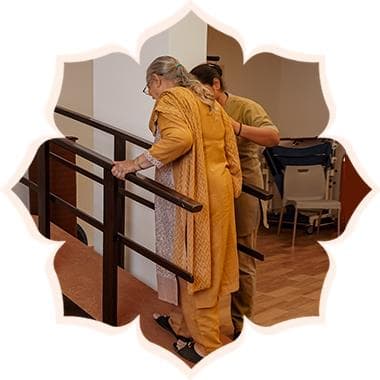
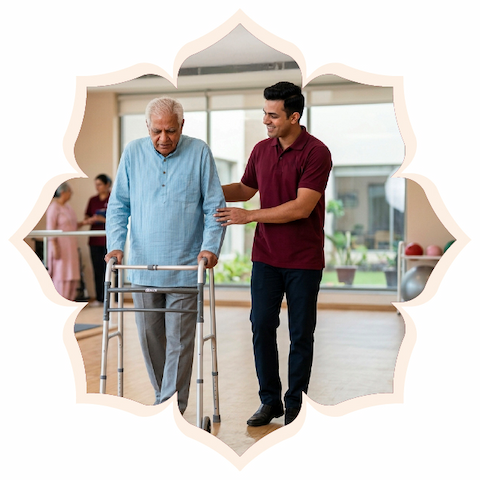
The post-infection rehabilitation process addressed both physical and neurological recovery needs. The care team designed a structured critical illness neurological rehabilitation plan aimed at gradually improving strength and mobility. The plan included:
- Tube feeding based on a nutrition plan prepared by a dietitian
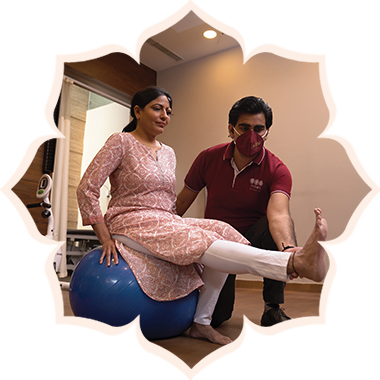
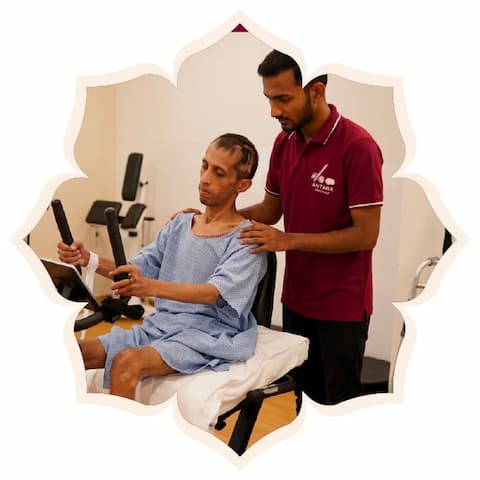
- Physiotherapy tailored to the patient’s specific needs and physical limitations
- Close monitoring of vital signs during recovery
- Frequent position changes to prevent worsening of pressure sores
- Meticulous care of oral hygiene, urogenital areas, and the back
- Regular dressing and care of the tracheostomy site
- Proper care and maintenance of Foley’s catheter and Ryle’s tube
- Dressing and management of existing pressure-related wounds
Rehabilitation Approach
Detailed testing confirmed the patient had scrub typhus, which is caused by ticks and may damage several organ systems. The diagnosis clarified her group of symptoms and guided the medical team’s treatment decisions. Treating scrub typhus involves using antibiotics and providing supportive care across different specialties.
She experienced several dangerous complications including:
- Acute encephalitis causing seizures
- Advanced ARDS requiring specific breathing support methods
- Ventilator-associated pneumonia (VAP) linked to Acinetobacter bacteria
- Critical illness neuropathy lowering muscle strength and mobility
- Electrolyte imbalances (dyselectrolytemia)
- Normocytic normochromic anaemia
These typhus-related complications demanded a thorough treatment plan targeting various body systems at once. The doctors continuously neuromonitored the patient along with antibiotic therapies and key supportive treatments.
Rehabilitation Goals
The patient's care plan focused on medication, nursing support, and other supportive measures. Managing ARDS was critical because the patient had severe breathing difficulties that could not be controlled with standard ventilation. The medical team followed specific ARDS protocols to improve oxygen levels and reduce the risk of ventilator-induced lung injury.
To control seizures, doctors administered intravenous antiepileptic drugs and used continuous brain monitoring to assess neurological activity in real time. Treatment of scrub typhus in this case combined medical therapy with intensive rehabilitation efforts to address its effects on multiple body systems.
During her hospital stay, the patient showed gradual improvement and did not develop any new neurological deficits. She was shifted out of the ICU in a stable condition on July 23, 2025, after spending approximately three weeks in intensive care. However, she continued to require significant medical support and remained dependent on the following:
- Foley’s catheter for urinary drainage
- Ryle’s tube for enteral feeding
- Intravenous cannula for medication administration
- Tracheostomy for airway management
Communication Status
Doctors divided the rehabilitation goals into short-term and long-term care objectives to effectively monitor progress. The short-term goals focused on improving neurological function, increasing muscle strength, removing the Ryle’s tube, supporting vocalization, and discontinuing the catheter. The long-term objectives included maintaining stable hemodynamics, continuing physiotherapy exercises, and helping the patient become independent in daily activities.
Over the course of one month, doctors at Antara Care Home closely observed the patient’s progress. By the second week, significant improvement was noted. Muscle strength in the upper limbs increased from 1/5 to 3/5, while strength in the lower limbs improved from 0/5 to 1/5. This structured rehabilitation program played a key role in the patient’s recovery from the primary infection and its multiple complications.
Conclusion
This case study of scrub typhus provides useful lessons for managing similar illnesses. The positive outcomes highlight several key points that clinicians can focus on:
- Early identification and appropriate management of scrub typhus significantly improve patient outcomes.
- Managing complex infectious cases with multiple complications requires close collaboration across medical specialties.
- Setting clear goals during structured rehabilitation supports faster recovery from severe illness.
- Regular monitoring of progress allows timely adjustments to treatment plans.
- Prevention of secondary complications depends heavily on skilled and attentive nursing care.