Introduction
When the patient's family got a call about their 69-year-old dad having a bad stroke, it turned their lives upside down. What came next was a 61-day journey that would test their faith, push doctors to their limits, and show how much of a difference good care after leaving the hospital can make. This story about helping a patient get better shows how great care and top-notch medical skills can change a serious health situation into a story that gives people hope.
At Antara Care, we believe every patient should get the best care possible, no matter how tricky their health problems are. This case shows how we work hard to give healthcare that's as good as what you'd find anywhere in the world, while still meeting what Indian families need.
Written By
Dr. Lovely Aggrawal
Medical consultant, Clinical

Dr. Dharshan N. A.
Consultant – Physical Medicine & Rehabilitation
Understanding the Case
The Challenge: A Critical Medical Emergency
When a 69-year-old male patient came to the hospital in a state that would worry any family — he was less responsive, had a constant cough, and had suffered a stroke (CVA) before. His health got worse so doctors had to put a breathing tube in because his Glasgow Coma Scale (GCS) scores were low. The medical team found out he had several conditions that could kill him: aspiration pneumonia, septic shock, and his chronic kidney disease (CKD) had gotten worse.
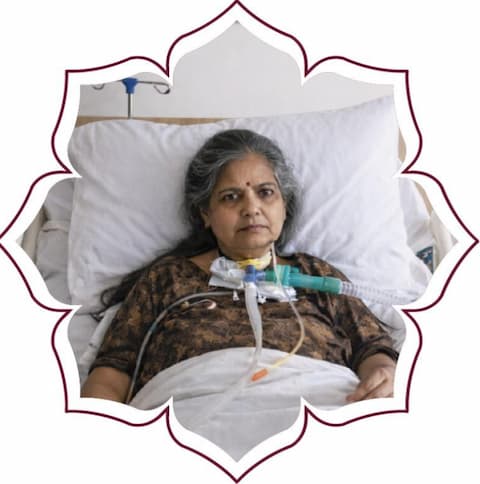
During his hospital stay, the patient's health worsened. He got pneumonia from the ventilator, his consciousness levels dropped further, and he needed ongoing kidney support (CRRT). On August 2, 2025, doctors put in a tracheostomy to help him breathe. When he was ready to leave, he needed BiPAP for breathing, had a catheter for urine, a tube for feeding, and a central line. This complex situation would test even skilled doctors.
The family had to make a tough choice: where could they find the expert care their loved one needed while also getting the personal touch and cultural understanding that meant so much for them?
How to Manage Care for Very Sick Patients
On August 6, 2025 (the day when he reached us), upon evaluation our clinical team realised how complex his case was. We felt that only a team of experts from different fields could look after him and help him in achieving his long-term recovery goals.
After evaluating his hospital discharge summary we curated a care plan. The plan had these parts:
Immediate Care Priorities:
- Feeding through Ryle's tube using diets planned by nutritionists
- Physical therapy sessions based on what doctors suggest and how the patient is doing
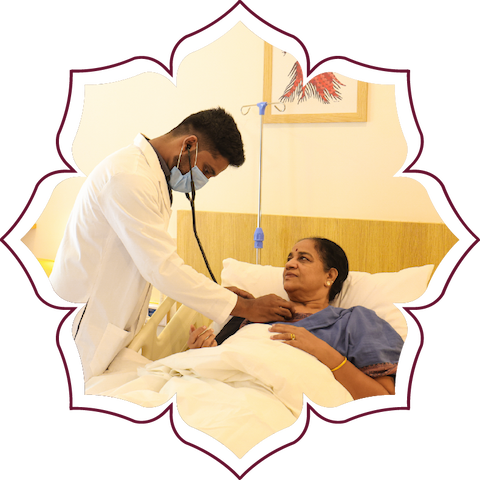
- Keeping a close eye on vital signs and helping with breathing
- Changing the patient's position often to prevent bed sores
- Taking care of the mouth, private parts, and back
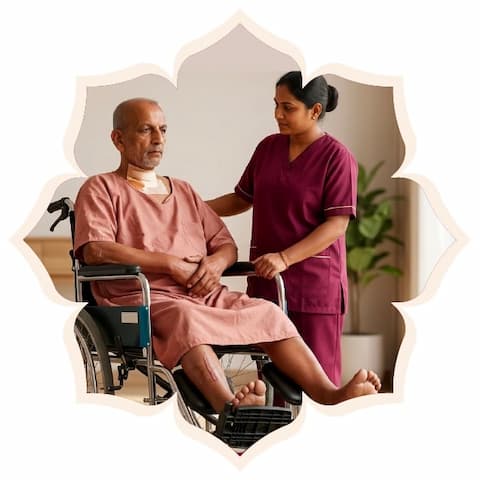
- Skilled care for the tracheostomy, including proper dressing and clearing airways
- Managing the Foley catheter and cleaning the perineal area
Stages of Recovery
Rehabilitation Approach
Handling Complications with Top-notch Care
During his hospital stay, a 69-year-old patient ran into several health issues that put our team's medical skills to the test:
Treating Urinary Tract Infection
In the fourth week, regular tests showed a urinary tract infection. We followed our plan to manage urinary tract infections. This included starting antibiotics right away, closely watching the patient and giving supportive care. The infection cleared up with the right treatment.
Aspiration Pneumonia Treatment
Because of his past bouts with aspiration pneumonia, our team kept a close eye on how well he was breathing. We checked his speech and swallowing abilities. At first, we advised against feeding him by mouth due to the risk of choking. As he got better, we started giving him liquids and then soft foods — always watching him.
Amazing Progress: Proof of Expert Care
The change in the patient's health over 7 weeks reflects the power of focused rehab and attentive care. The results speak for themselves:
Brain Function Improvement:
- Glasgow Coma Scale went up from E3VtM5 to E4V5M6
- Patient became awake and aware of time, place, and self
- Muscle strength improved on both sides
Breathing Progress:
- Stopped needing BiPAP and could breathe normal air
- Doctors removed the tracheostomy tube
- No longer required extra oxygen
Getting Better at Daily Tasks:
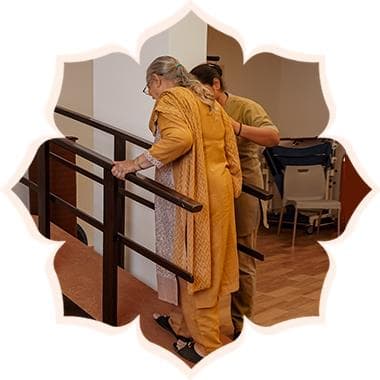
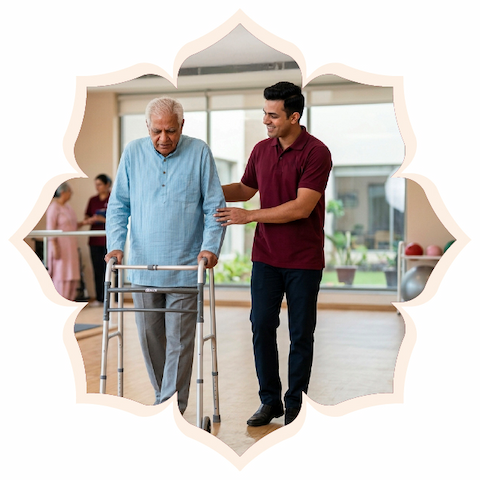
- Went from needing help with everything to walking with full support
- Could talk and express himself clearly
- Ate soft foods by mouth without issues
- Doctors planned to remove the feeding tube and urinary catheter
Making Life Better:
- Improved awareness and thinking skills
- Better movement and independence
- Improved speech and comprehension
- Preparing to return home and resume family life
Rehabilitation Goals
neurological rehabilitation centre set clear short-term and long-term targets. Short-term goals focused on optimising neurological function, improving muscle strength, managing tracheostomy complications and working to remove the feeding tube & catheter. In the long term our objective was to keep blood pressure stable, remove the patient from tracheostomy, complete his physiotherapy & promote self-reliance so that he can perform his daily activities.
Expert Tracheostomy Care & Monitoring
Taking care of the tracheostomy in the patient was one of the most critical elements of his treatment. This task required specialised expertise and ongoing monitoring as complications could arise and result in severe outcomes.
During his first week at our facility, the patient's tracheostomy started bleeding — a problem that we needed to address right away and monitor constantly. Our clinical team kept an eye on him 24/7, took the right steps and stayed in touch with other doctors who were helping out.
Post-operative Care for Tracheostomy: Making Sure Patients Recover
Taking care of someone after a tracheostomy involves more than just looking after the wound. Our team did the following:
- Checked the tracheostomy site often
- Used the right methods to clear the airway
- Changed dressings in a clean way, following the rules
- Looked out for signs of infection or other problems
- Worked with the ear, nose and throat doctors to keep checking on the patient
By week 6, our patient had made big strides. Our care team asked doctors to plan on removing his tracheostomy tube — a big step that showed how much his breathing and overall health had improved.
Neurological Rehabilitation: From Sleepy to Recovered
The most amazing part of the neurological rehabilitation was how his brain function improved. When he came to us, he was awake but sleepy, with a Glasgow Coma Scale of E3VtM5 and a lot of weakness on his left side (upper arm 1/5, leg 0/5).
We focused our brain recovery plan on:
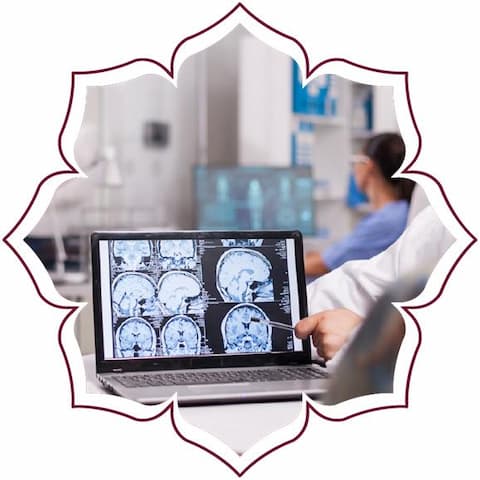
- Ongoing brain function checks and evaluations
- Step-by-step physical therapy plans created to help stroke recovery
- Speaking and swallowing ability tests and treatments
- Brain-stimulating activities and exercises to improve awareness
- Getting families involved and teaching them about the rehab process
Physical Therapy for Stroke Patients: Improving Strength and Movement
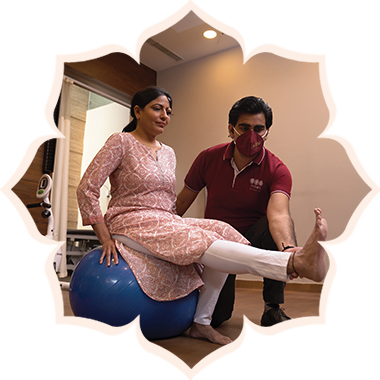
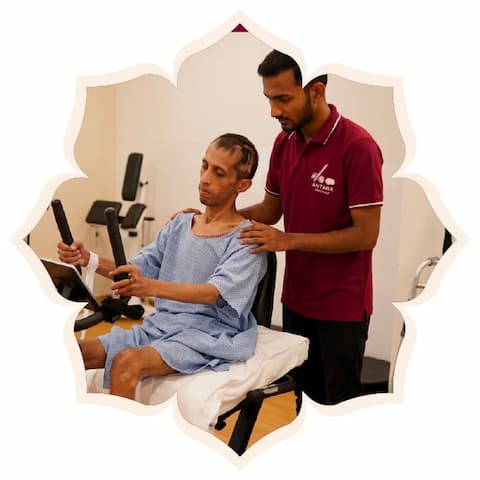
Physical therapy for stroke patients needs special methods and a lot of patience. Our physical therapy team worked with the patient every day improving his strength and ability to move. We saw clear and positive changes:
- Week 1-2: The patient stayed drowsy but stable, moving his left side
- Week 3-4: The left upper limb power improved (from 1/5 to 2/5)
- Week 5-6: The muscle strength increased, with the left upper limb reaching 4/5 and the lower limb 3/5
- Week 7: The patient's right side strength became almost normal (5/5) and the left side kept getting better
Conclusion
Key Takeaways
This 69-year-old patient's story shows effective ways to help stroke patients recover and regain independence:
- Teamwork Across Fields: Good outcomes come from coordination between doctors, physio experts, diet specialists, and skilled nurses.
- Personal Care Strategies: Every patient is unique, so treatment plans and rehab goals should be tailored individually.
- Getting Families Involved: Keeping families informed and engaged improves recovery and provides emotional support.
- Keeping a Close Eye: Regular evaluations and updates ensure treatment remains effective and problems are caught early.
- Expertise That Counts: Complex medical cases require trained professionals who understand both acute and post-acute care needs.
FAQs
How long does recovery take for stroke patients with tracheostomy?
Recovery times differ depending on stroke severity, patient age, and overall health. In this case, we saw major improvements over 7 weeks, with tracheostomy removal by week 6.
What are the signs that a stroke patient is ready for post-acute care?
Patients are ready when their vital signs are stable but they still need monitoring, rehab services, or support with daily activities that go beyond what’s possible at home.
How do families know if a care facility can handle complex medical needs?
Look for 24/7 medical supervision, trained nursing staff, physiotherapy, and clear protocols for managing medical devices like tracheostomy tubes, catheters, and feeding tubes.
What role does physiotherapy play in stroke recovery?
Physiotherapy helps improve muscle strength, mobility, and independence. It prevents muscle shrinkage, keeps joints flexible, and enhances the brain’s ability to rewire itself — all crucial for regaining everyday function.