Introduction
A 24 year old engineer woman with a bright future saw her life change in a flash when doctors told her about Guillain Barre Syndrome (GBS). What she felt as a strange weakness in the beginning became a condition that threatened her life. She was forced to rely on a ventilator for each of her breaths. Her path from severe illness to full recovery shows how expert care & strong will can transform lives. Antara Care at Home's team helped the patient to get her life back showing that with the right help, people can beat even the toughest medical problems.
Written By
Dr. Ramandeep Singh Kanwal
Medical consultant
Dr. Irfan Karim
Medical consultant, Clinical
Understanding the Case
The Challenge: Managing Complex GBS Patient Care Needs
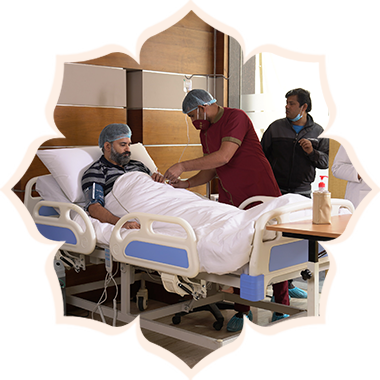
Guillain Barre Syndrome hit a 24-year-old engineer woman fast and hard. This uncommon nerve disorder, where the body's defences attack the outer nerves, left her unable to move and in severe pain. She came to the hospital in critical condition needing a breathing machine right away.
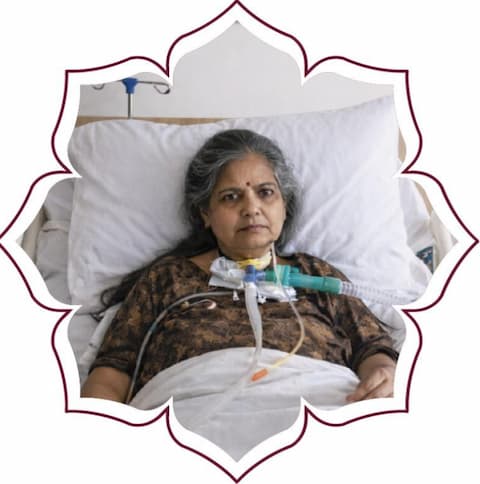
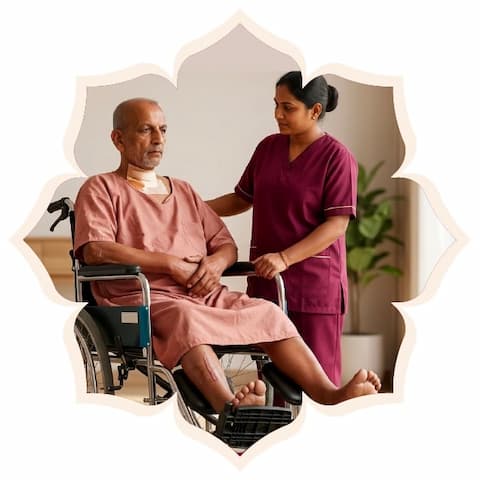
Her situation was dire. The patient couldn't move her arms or legs at all, making even tiny movements impossible. She progressed from the ventilator to a BiPAP with a neck tube, which was a small improvement, but she still relied on medical help for basic tasks.
The pain wouldn't stop, hurting every inch of her body. This sudden need for help crushed the spirits of a young professional who had once lived on her own and stayed busy. Her family could only watch as their daughter fought a condition that strikes less than 2 in 100,000 people each year, making expert care vital to get better.
After spending a month in intense hospital care, the doctors realised that the patient's recovery from Guillain Barre Syndrome would need long-term, expert support that she could receive better at home.
Stages of Recovery
Rehabilitation Approach
How Expert Home Healthcare Services Changed Everything
Seeing that the patient still needed a lot of care, Antara suggested their Care at Home – Home Critical Care (HCC) plan to her family. This choice would end up making a big difference in how well she got better.
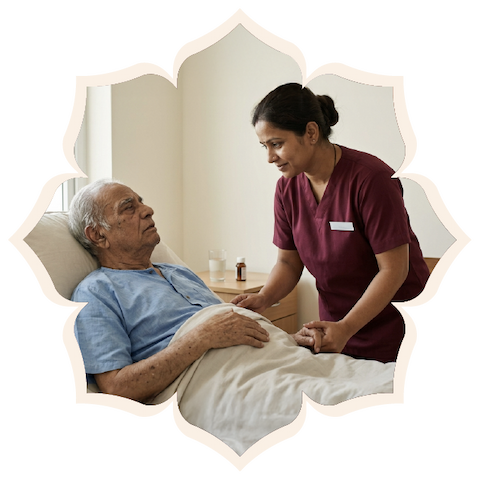
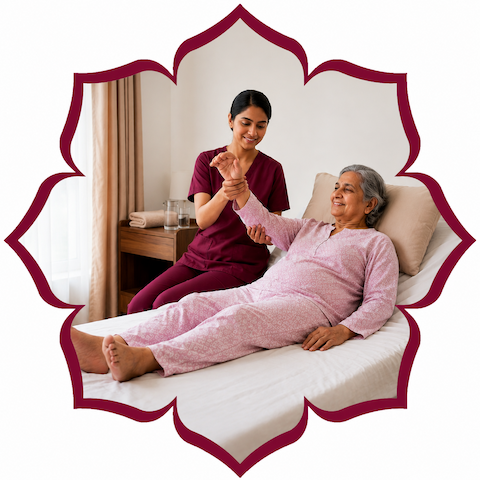
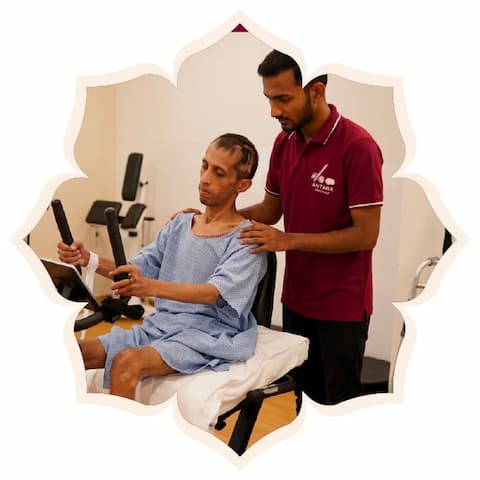
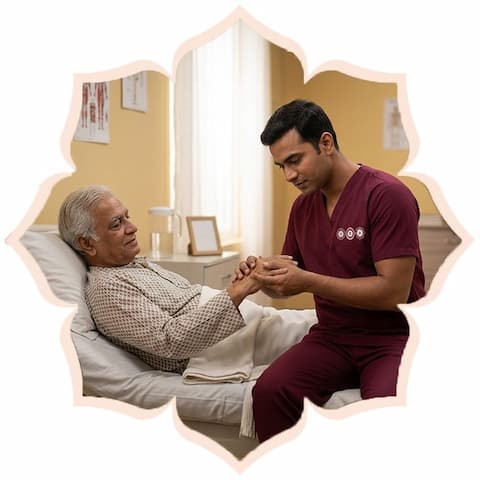
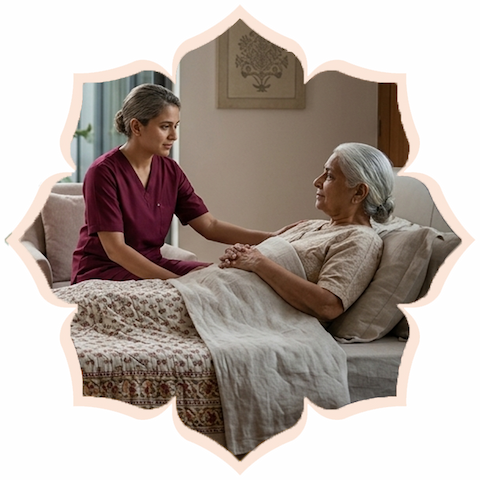
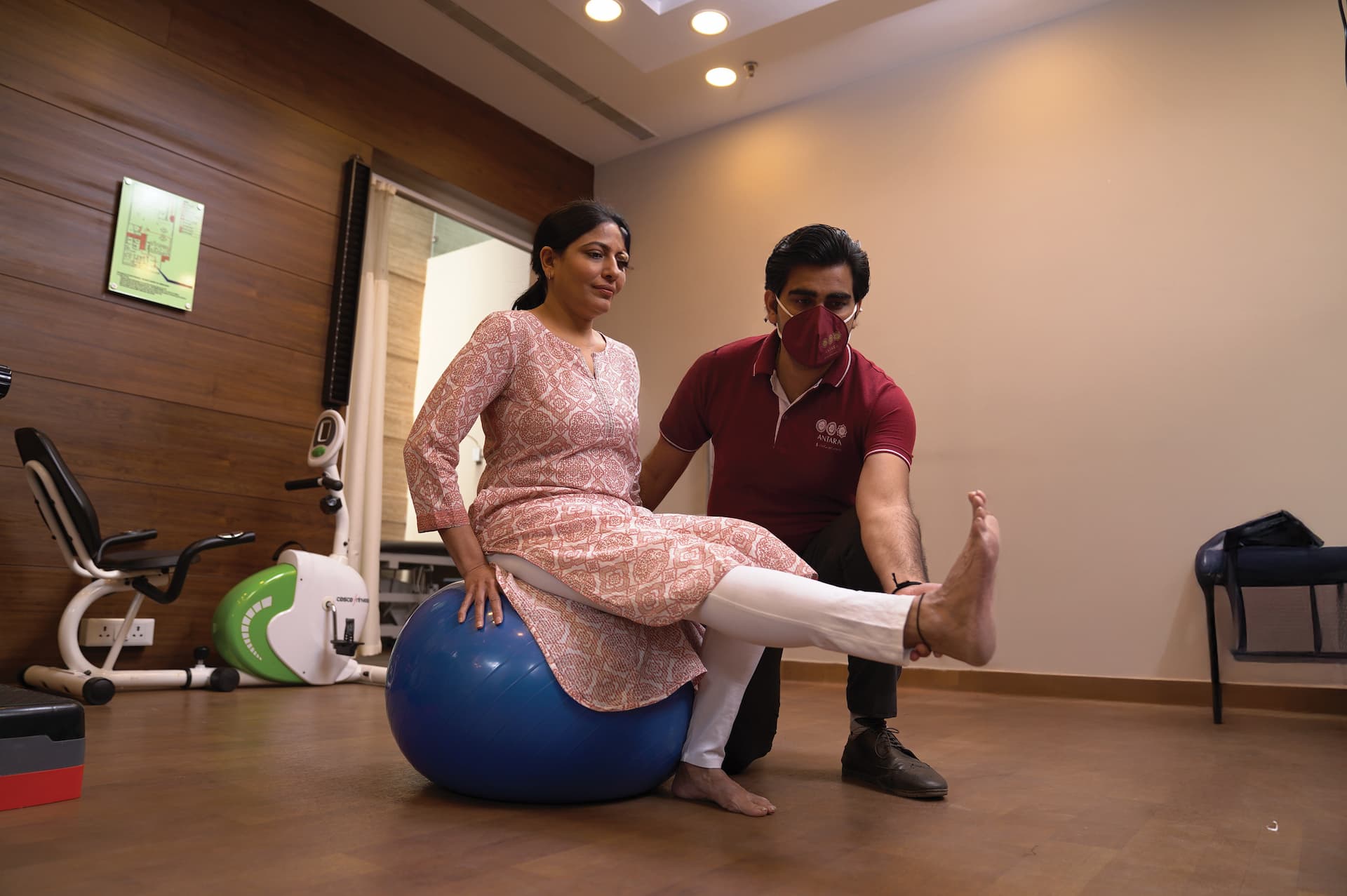
Our all-inclusive home healthcare services gave her the intense help she needed to recover, blending top-notch medical care with the ease and comfort of being at home. The team kept her pain in check through a well-thought-out mix of active and passive exercises, along with the right medications.
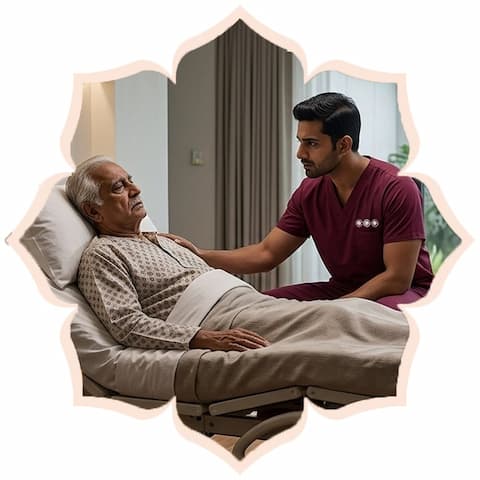
Having support around the clock proved vital in the early stages when blocked tracheostomies and painful flare-ups called for quick action. To take good care of GBS patients, you need a team with diverse skills and constant monitoring — which our crew delivered without cutting corners.
Rehabilitation Goals
Helping People with Brain Disorders Get Better at Home
The road to recovery from neurological conditions isn't always smooth, and the patient's journey was on a similar pathway. In the first few months, she saw small wins with occasional setbacks (which we mitigated with careful changes to her treatment plan).
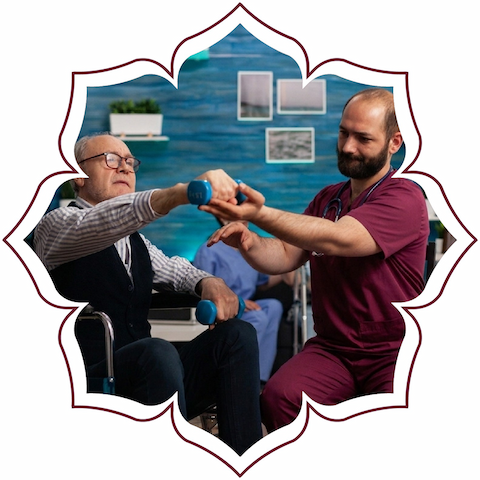
The team's know-how in treating GBS patients ensured the best results throughout her recovery. They knew that nerves regrow about one millimeter each day, thus the patient needed patience and steady therapy. The physiotherapy team worked hard to keep her muscles functioning and prevent complications while her nerves healed.
Family support had a key role to play. The patient's family stood by her side throughout the process, working hand in hand with the Antara team to build an environment that helped her heal. Their commitment, along with our team's medical expertise, laid the groundwork for her recovery.
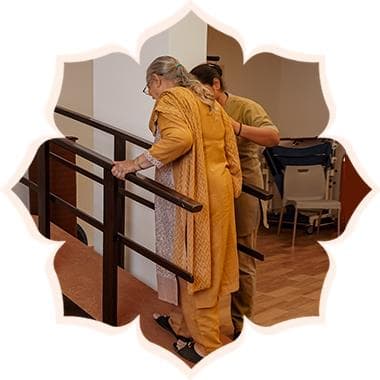
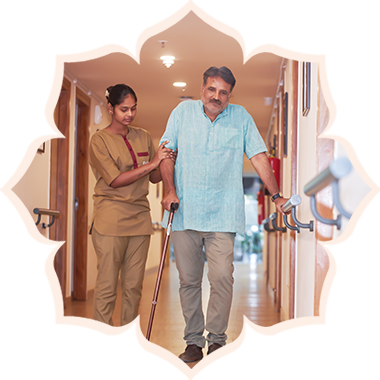
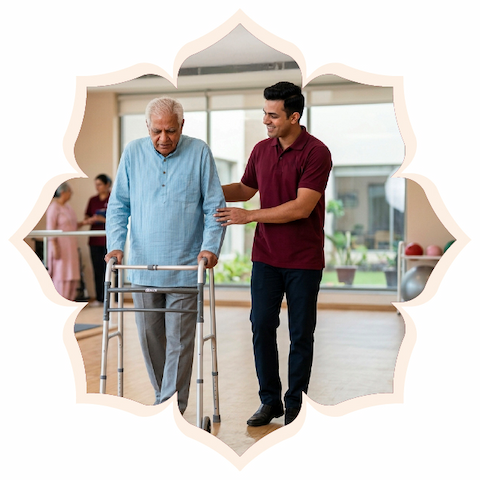
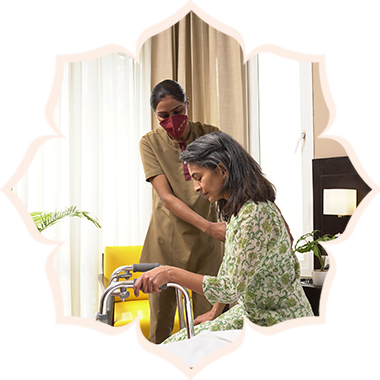
After 3–4 months of round-the-clock care, a turning point came. The doctors closed the patient's tracheostomy, marking a big step forward in her journey back to health. She started to walk with help, each step showing how far she'd come through months of effort and determination.
The Remarkable Results: From Recovery to Triumph
A 24-year-old engineer woman's recovery from Guillain Barre Syndrome shows how effective specialised home healthcare can be when it is paired with a patient's determination and family support. As she got better, she switched from the HCC (Home Critical Care) package to NCG (Nursing Care General) services, which showed she needed less in
Conclusion
A 24-year-old engineer woman's story is not just about good medical care. It proves how hope, hard work, and expert help can work together. She changed from a very sick patient on a breathing machine to a successful professional travelling for work. This shows that with the right support, people can overcome even the toughest health problems.
The whole Antara Care at Home team feels honoured to have helped the patient's recovery. Her story motivates other patients and families dealing with similar problems, showing that good home healthcare can be the key to getting better at home instead of staying in the hospital for a long time.
Now, she is doing great.