
Introduction
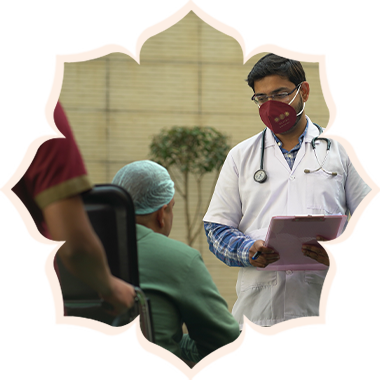
At 85, when life is meant to slow down into comfort and familiarity, this patient was instead thrust into a battle for survival. Struggling to breathe, weakened by multiple health conditions, and facing the daunting reality of cancer, every moment became uncertain. What began as acute distress soon unfolded into a complex medical journey marked by resilience, difficult choices, and unwavering palliative cancer care Choosing immunotherapy over surgery, he stepped into an unknown path one that demanded strength not just from his body, but from his spirit. This case is not just about illness, but about endurance, hope, and the power of compassionate rehabilitation in restoring life.
Written By
Dr. Lovely Aggrawal
Medical consultant, Clinical

Dr. Dharshan N. A.
Consultant – Physical Medicine & Rehabilitation
Understanding the Case
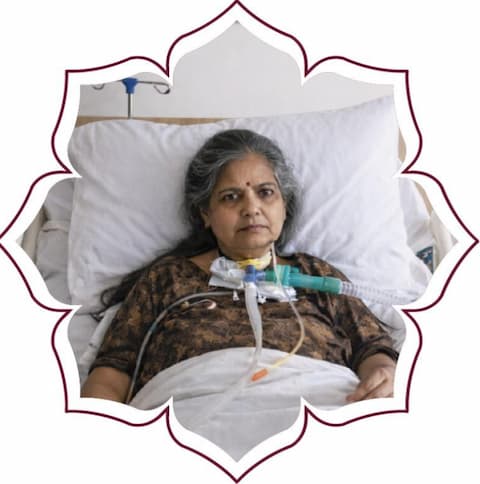
This case highlights the recovery journey of an 85-year-old male with multiple comorbidities, including coronary artery disease, type 2 diabetes, severe anemia, atrial fibrillation, and carcinoma of the ascending colon. The patient was initially hospitalized with acute respiratory distress, gastrointestinal bleeding, and generalized weakness. After evaluation, he chose immunotherapy over surgical intervention. He was discharged on oxygen support with a Foley’s catheter in place and required continuous medical supervision. On admission to a structured care setting, the patient was clinically stable but weak physically, with reduced muscle strength and dependence on oxygen, making him highly susceptible to complications.
Clinical Condition at Admission
At the time of admission, the patient was conscious, alert, and vitally stable, but exhibited significant functional limitations. Muscle strength was reduced (3/5 in all limbs), and oxygen support was required to maintain adequate saturation. Although systemic examination did not show severe abnormalities, respiratory assessment indicated compromised air entry. The patient allowed oral intake on a soft diet but had a decreased appetite. Early clinical concerns included generalized weakness, intermittent fever, and dependency on supportive care. As treatment progressed, especially after immunotherapy sessions, the patient experienced episodes of vomiting, loose stools, increased secretions, and persistent cough, indicating the need for close monitoring and timely medical intervention.
Immediate Priorities in Care
The initial phase of care focused on stabilization and prevention of further complications. Managing oxygen dependency was a key priority, with gradual weaning attempted based on tolerance. Symptom control was essential, particularly for nausea, vomiting, and gastrointestinal disturbances, which were managed through appropriate medications & long & short term care goals. Respiratory care, including nebulization, helped reduce secretions and improve breathing comfort. Preventive measures such as infection control, regular repositioning, catheter care, and monitoring of vitals and input-output were strictly followed. Simultaneously, physiotherapy was initiated early to prevent deconditioning, maintain joint mobility, and support gradual strength improvement. Nutritional intake was also closely monitored and supported to enhance recovery.
Recovery Objectives and Rehabilitation Focus
As the patient stabilized, the focus gradually shifted toward improving functional independence and overall well-being. A key objective was to enhance muscle strength from 3/5 to 4/5, enabling better mobility and reduced dependency. Another important goal was complete weaning from oxygen support while ensuring stable respiratory function. Managing the side effects of ongoing immunotherapy remained crucial, along with maintaining hemodynamic stability. Emotional health also became a focus area, as the patient experienced low mood following treatment sessions. Supportive interventions, including engagement and talking therapy, were introduced to improve psychological well-being. Ensuring consistent nutrition, preventing infections and effectively managing chronic conditions were integral to sustained recovery.
Progression and Continued Recovery
Over a period of 5–6 weeks, the patient showed consistent and encouraging recovery under structured and closely monitored care. With a combination of medical management, rehabilitation therapies, and emotional support, there was a gradual shift from dependency to independence. Each aspect of his health respiratory, physical, gastrointestinal, and psychological was addressed systematically, leading to measurable improvements and overall stability.
- Oxygen dependency reduced from higher support (including NIV) to complete independence on room air
- Respiratory symptoms like cough and breathlessness resolved with appropriate interventions
- Gastrointestinal issues settled, with improved appetite and nutritional intake
- Muscle strength and endurance improved, enabling independent mobility
- Infections were effectively managed, with complete resolution of fever
- Emotional well-being improved through supportive therapy and engagement
- Patient achieved stable vitals and independence in basic daily activities
- Demonstrates the impact of structured, multidisciplinary care in achieving safe and meaningful recovery
Short-Term Goals
- Stabilize vital signs and maintain oxygen saturation within normal range
- Gradually wean off oxygen support as tolerated
- Manage symptoms like nausea, vomiting, cough, and loose stools
- Prevent infections through close monitoring and timely interventions
- Improve respiratory function with nebulization and supportive care
- Initiate physiotherapy to prevent muscle loss and improve mobility
- Ensure adequate nutrition and hydration
- Maintain skin integrity and prevent bed sores through regular repositioning
- Provide catheter care and monitor input-output balance
Long-Term Goals
- Achieve complete independence from oxygen support
- Improve muscle strength and enable independent or assisted mobility
- Maintain hemodynamic and overall clinical stability
- Effectively manage comorbidities alongside ongoing immunotherapy
- Prevent recurrence of infections and complications
- Restore functional independence in daily activities
- Improve nutritional status and sustain healthy intake
- Support emotional and psychological well-being
- Enhance overall quality of life and long-term recovery outcomes
Stages of Recovery
Rehabilitation Approach
Holistic, Patient-Centric Care Approach
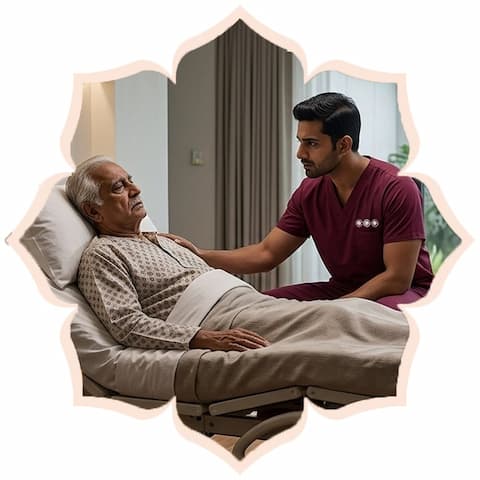
Antara’s rehabilitation model is built on delivering holistic, patient-centric care tailored to elderly individuals with complex medical conditions. In this case, the journey began with a comprehensive clinical assessment to align the care plan with the patient’s diagnosis, ongoing immunotherapy, and overall health status. A structured, multidisciplinary approach was implemented, integrating medical management, nursing care, therapy interventions, and nutritional support to ensure well-rounded recovery.
Continuous Monitoring and Medical Management
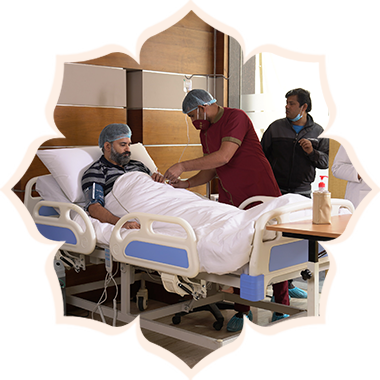
Continuous monitoring formed the backbone of care, with regular tracking of vitals, oxygen saturation, and input-output balance to detect early signs of deterioration. Oxygen therapy was carefully titrated and gradually weaned based on tolerance and progress. Medical management included close supervision of comorbidities such as cardiac conditions, diabetes, and anemia, along with prompt management of immunotherapy-related side effects. Infection prevention protocols, timely antibiotic administration, catheter care, and hygiene maintenance were consistently followed.
Rehabilitation Therapies and Clinical Interventions
A strong emphasis was placed on structured rehabilitation therapies to restore strength and independence:
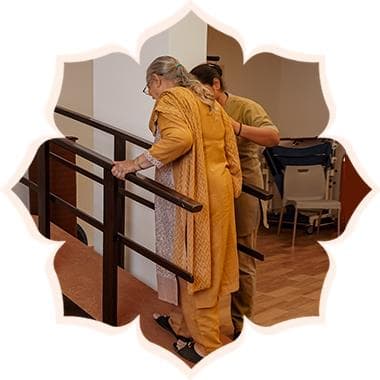
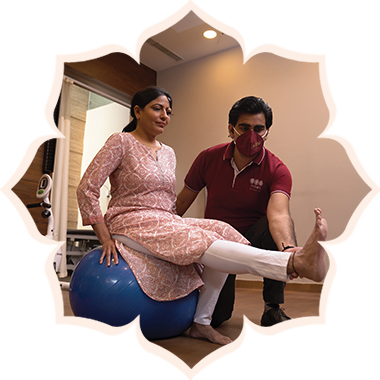
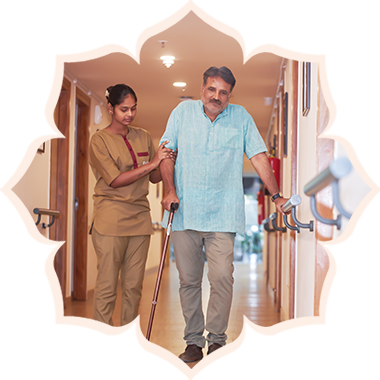
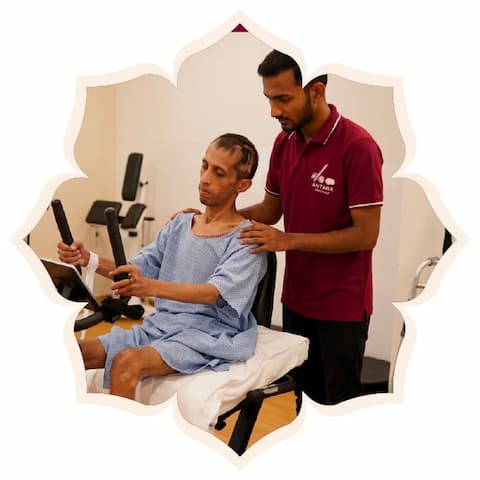
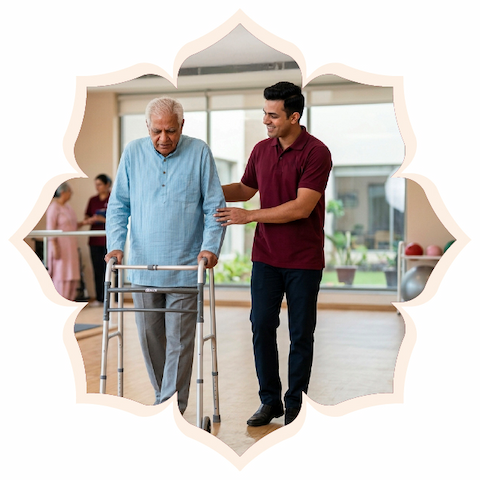
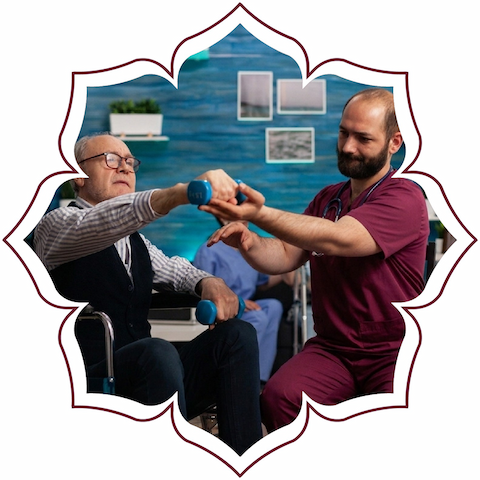
Physiotherapy: Progressive exercises to improve muscle strength, joint mobility, endurance, and mobility from assisted movements to independent ambulation
Respiratory Therapy: Nebulization, breathing exercises, chest physiotherapy, and oxygen support management to enhance lung function and secretion clearance’
Immunotherapy (Oncology Care): Continuation and monitoring of cancer treatment with close observation for side effects such as fatigue, gastrointestinal disturbances, and infection risk, ensuring timely medical response and supportive care
Gastrointestinal Management: Use of anti-emetics, anti-diarrheal medications, and hydration strategies to manage treatment-related symptoms
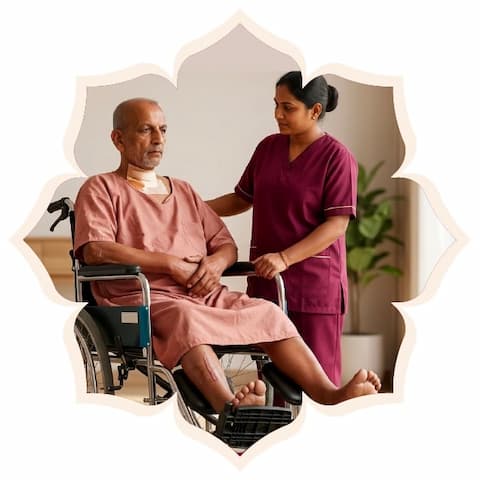
Functional Rehabilitation: Training focused on Activities of Daily Living (ADLs) such as sitting, standing, and walking to regain independence
Nutritional and Supportive Care
Nutritional therapy played a key role, with customized diet plans including soft, balanced meals to improve intake, address reduced appetite, and support healing. Alongside this, round-the-clock nursing care ensured medication adherence, regular repositioning to prevent pressure sores, assistance with daily activities, and overall patient comfort and safety.
Emotional and Psychological Support
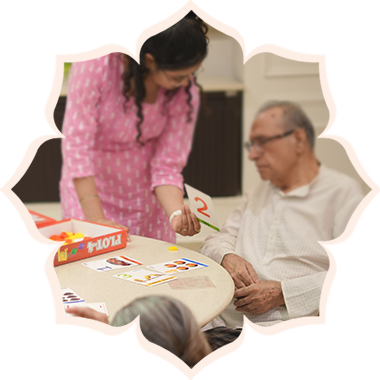
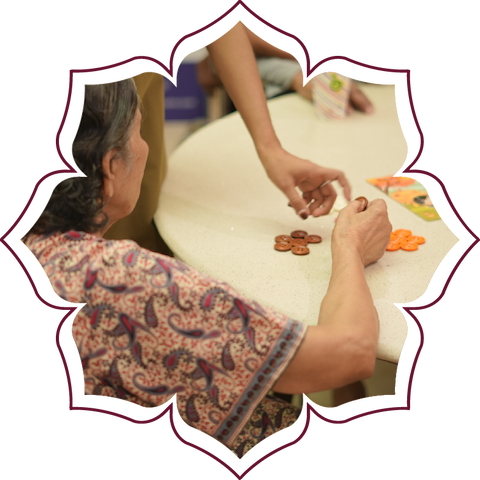
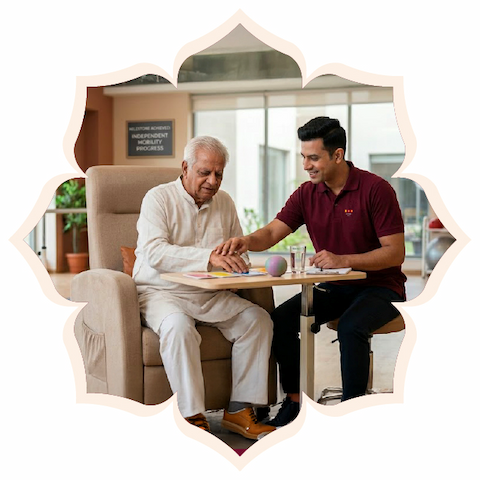
Recognizing the emotional impact of prolonged illness and treatment, equal importance was given to mental well-being. The patient received talking therapy, engagement activities, and continuous reassurance to address low mood and enhance motivation. This supportive environment helped improve overall morale and participation in the recovery process.
Care Coordination and Outcome-Focused Recovery
Regular communication with the primary medical team ensured seamless care coordination and timely modifications in treatment based on the patient’s progress. Antara’s integrated approach combining clinical expertise, rehabilitation therapies, and compassionate care focused not only on medical recovery but also on restoring dignity, independence, and quality of life for the patient.
Rehabilitation Goals
- Restore muscle strength and improve overall physical endurance
- Achieve gradual and safe mobility, progressing to independent movement
- Enhance respiratory function and sustain normal breathing without support
- Promote independence in activities of daily living (ADLs)
- Prevent complications such as bed sores, infections, and muscle atrophy
- Improve balance, coordination, and reduce risk of falls
- Support recovery from treatment-related side effects (e.g., fatigue, weakness)
- Ensure adequate nutrition to aid healing and strength building
- Improve emotional well-being and reduce anxiety or low mood
- Enhance overall quality of life and long-term functional independence
Conclusion
This case reflects the power of structured, compassionate, and multidisciplinary care in transforming the recovery journey of an elderly patient with complex medical needs. Despite multiple comorbidities and the challenges of ongoing immunotherapy, a well-coordinated rehabilitation approach enabled steady clinical improvement and restored functional independence. Through continuous monitoring, timely medical interventions, focused therapies, and emotional support, the patient was able to transition from a state of vulnerability to stability and self-reliance.
It reinforces that with the right environment, expertise, and personalized care, even the most medically complex cases can achieve meaningful recovery enhancing not just health outcomes, but also dignity, confidence, and overall quality of life.