Introduction
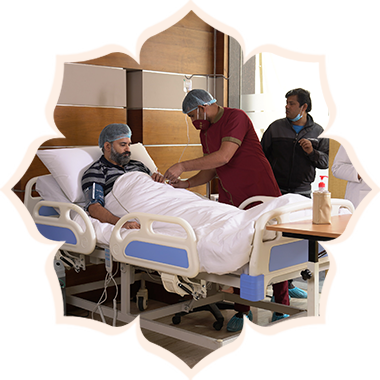
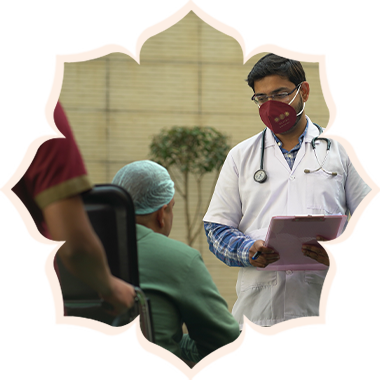
This case study highlights the recovery journey of a 32-year-old man who suffered multiple injuries in a road traffic accident, including severe brain injury and fractures. He underwent emergency brain surgery and was treated in the ICU before being discharged with medical tubes and ongoing weakness. To support his recovery, he was admitted to Antara Care Home for continuous medical monitoring, nursing care, and physiotherapy.
Written By

Dr. Manish Swami
Medical consultant, Clinical

Dr. Dharshan N. A.
Consultant – Physical Medicine & Rehabilitation
Understanding the Case
-
Serious Road Accident:
A 32-year-old man met with a major road traffic accident that caused multiple severe injuries to his head, chest, and face.
-
Severe Brain Injury:
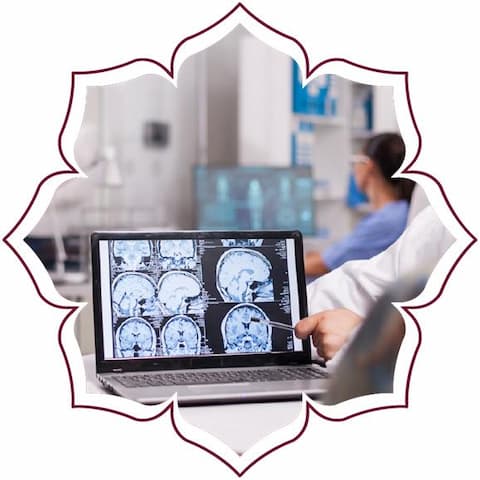
The accident led to internal bleeding in the brain and a skull fracture. The pressure inside his brain increased, which can be life-threatening if not treated quickly.
-
Emergency Brain Surgery:
Doctors performed urgent brain surgery to remove the blood clot and reduce pressure. This surgery helped prevent further brain damage.
-
Multiple Other Injuries:
Along with the head injury, he had broken ribs, a collarbone fracture, facial fractures, and a lung injury. A tube was placed in his chest to treat internal bleeding in the lungs.
-
ICU Treatment and Stabilization:
He was treated in the Neuro ICU, where his condition was closely monitored until he became stable.
-
Medical Support at Discharge:
- Feeding tube for nutrition
- Urinary catheter
- Regular monitoring of brain function
- Ongoing wound and injury care
-
Need for Rehabilitation:
Due to the seriousness of his injuries, he needed continued assisted support, medical care, physiotherapy, and close supervision to regain strength and recover safely.
-
Admission for Recovery Care:
He was admitted to Antara Care Home for structured neuro-rehabilitation, nursing care, and gradual physical recovery support.
Short-Term Goals
- Achieve full neurological stability and maintain stable vital signs
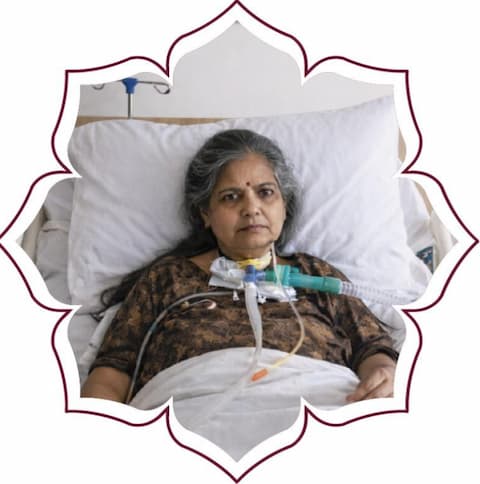
- Improve airway clearance and gradually wean from tracheostomy support
- Ensure safe swallowing with minimal aspiration risk
- Transition from tube feeding to supervised oral diet
- Improve sitting balance, standing tolerance, and assisted walking
- Prevent complications such as infections, bed sores, and respiratory distress
- Enhance speech clarity using speaking valve and phonation exercises
Long-Term Goals
- Achieve independent walking without assistance
- Restore normal swallowing and unrestricted oral diet
- Safely remove the tracheostomy tube
- Regain full muscle strength and physical endurance
- Achieve independence in daily activities (bathing, dressing, toileting)
- Improve speech and communication to normal conversational level
- Return to maximum possible functional independence and social reintegration
Rehabilitation Approach
At Antara Care
Home, a structured and step-by-step rehabilitation plan was designed to support
the patient’s recovery after severe brain injury and multiple trauma. The focus
was not only on medical stability, but also on helping him regain strength, confidence,
and independence.
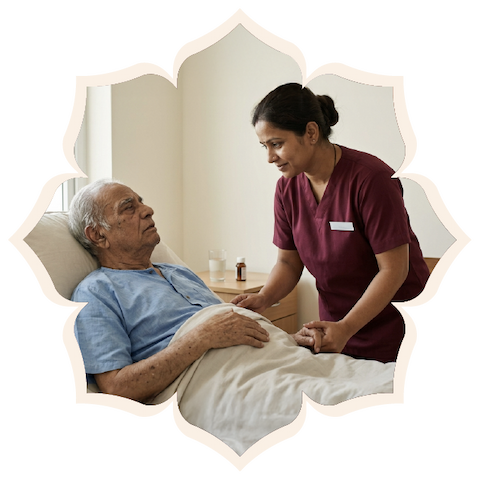
1. Continuous
Medical Monitoring
The patient was
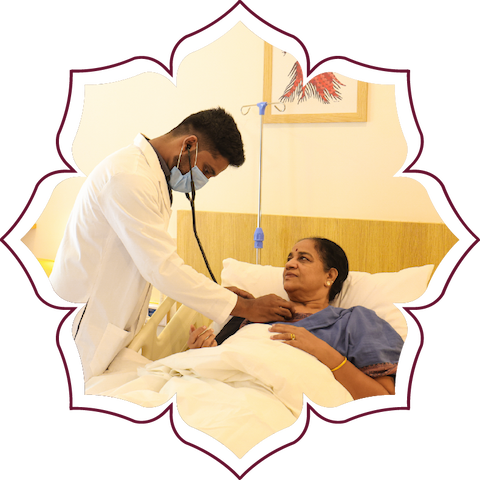
closely monitored for vital signs, neurological status, and infection risks.
Regular assessments ensured early detection and timely management of fever,
urinary issues, and respiratory concerns.
2. Airway and
Respiratory Care
Special attention
was given to tracheostomy care and airway clearance. Suctioning, breathing
support, and gradual tube downsizing were done carefully. As his condition
improved, speaking valve training and phonation exercises were introduced to
help restore speech.
3. Nutrition and
Swallowing Rehabilitation
Initially on tube feeding, the patient was gradually introduced to supervised oral trials. Safe
swallowing techniques were taught to prevent aspiration. Over time, he
progressed to semi-solid and then soft oral diet successfully.
4. Bladder and
Infection Management
Urinary infection
was managed with antibiotics and monitoring. Once stable, the catheter was
safely removed, and the bladder function was restored.
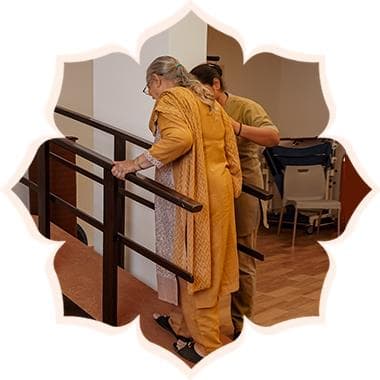
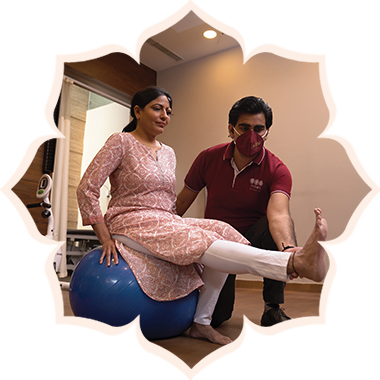
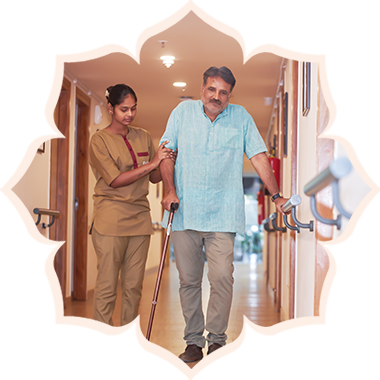
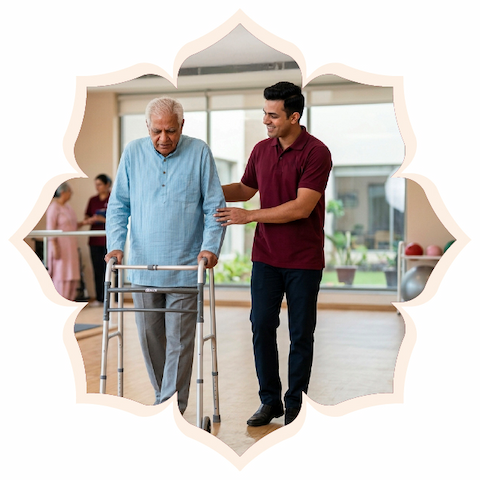
5. Physiotherapy
and Mobility Training
Physiotherapy
began with simple sitting balance exercises and gradually progressed to
standing and gait training. With consistent therapy, the patient improved from
assisted mobility to walking with minimal support.
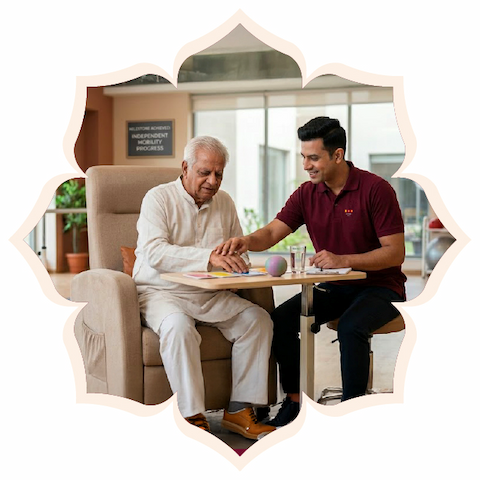
6. Functional and
Speech Recovery
Rehabilitation
also focused on improving communication skills, daily activities, and overall
independence. Speech exercises and mobility training helped rebuild confidence
and functional ability.
Rehabilitation Goals
Recovery after a severe brain injury and multiple
trauma is a gradual process. Although the patient has shown significant
improvement, continued rehabilitation remains important. The focus moving
forward will be on building stamina, improving balance, and strengthening
muscles further.
Speech and breathing exercises will continue to enhance
communication and airway safety. Regular follow-ups and physiotherapy sessions
will help maintain progress and prevent setbacks. With consistency, support,
and structured care, the goal is to help the patient return to daily life with
maximum independence and confidence.
Key Takeaways
·
Early and structured rehabilitation plays a
crucial role in recovery after brain injury.
·
Multidisciplinary care including doctors,
nurses, physiotherapists, and speech therapists ensures holistic healing.
·
Gradual progress, from tube feeding to oral diet
and from assisted walking to minimal support, reflects steady neurological
improvement.
·
Timely management of infections and
complications prevents delays in recovery.
·
Emotional support, patience, and a safe
environment significantly improve outcomes.
·
With the right care plan, even complex trauma
cases can achieve remarkable recovery milestones.
Conclusion
This case highlights how timely medical care and structured rehabilitation can make a life-changing difference after a serious accident and brain injury. With continuous monitoring, physiotherapy, speech support, and compassionate nursing care, the patient showed steady and meaningful improvement. From critical illness to walking with minimal assistance and resuming oral intake, each milestone reflects the power of consistent rehabilitation and expert supervision. This journey reinforces that with the right care environment, patience, and a dedicated team, recovery is possible even after complex trauma.