
Introduction
A hemorrhagic stroke happens when a blood vessel in the brain bursts and causes bleeding. If the brain does not get enough oxygen during or after the stroke, it can lead to hypoxic brain injury, which affects movement, thinking, and daily activities. People with this condition often need long-term rehabilitation to regain strength and improve their quality of life.
This case study is about, a 82-year-old man who had a recurrent hemorrhagic stroke with hypoxic brain injury. He also underwent decompressive craniotomy and later cranioplasty. When he started rehabilitation, he was semi-conscious, bedridden, and unable to move his arms or legs on his own. He was completely dependent on others for all daily activities.
A structured neurological rehabilitation was started to improve his joint movement, muscle strength, bed mobility, sitting balance, and standing ability. With regular therapy and continuous assessment, he showed gradual improvement in strength and functional activities, highlighting the importance of early and consistent rehabilitation.
Understanding the Case
Patient's Condition
Mr. Gupta a 82-year-old man, suffered a recurrent hemorrhagic stroke, which caused bleeding in the brain. Due to this, he also developed hypoxic brain injury, meaning his brain did not receive enough oxygen. As a result, he developed quadriplegia, which affected the movement of both his arms and legs.
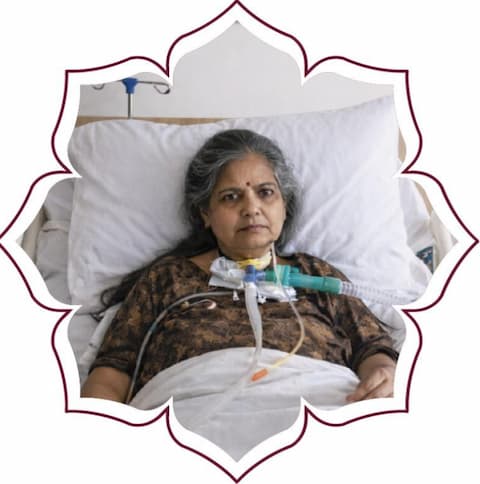
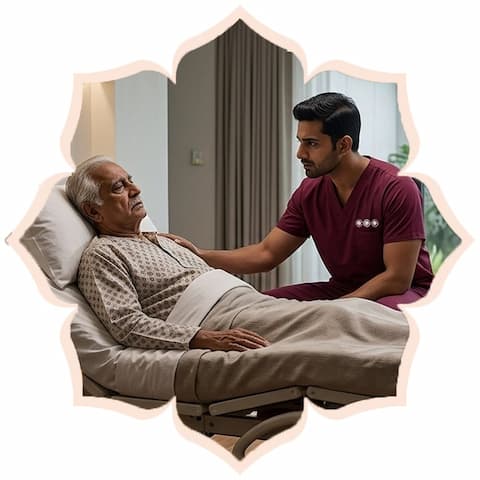
He underwent a decompressive craniotomy to reduce pressure inside the brain and later had cranioplasty. During the initial assessment, he was semi-conscious and responded only to painful stimuli. He was unable to move any of his limbs, was completely bedridden, and depended on caregivers for all his daily needs.
Challenges During Rehabilitation
The patient's condition made post operative recovery difficult because he could not move independently. Staying in bed for a long time increased the risk of muscle weakness, joint stiffness, pressure sores, and other complications.
The main aim of physiotherapy was to keep his joints flexible, prevent deformities, improve muscle strength, and help him gradually regain basic movements such as turning in bed, sitting, and standing with support. Early rehabilitation is important because regular exercises and continuous monitoring helped him make steady progress over time.
Rehabilitation Approach
Phase 1
The first stage of stroke rehabilitation focused on preventing complications and preparing the body for recovery.
Treatment included:
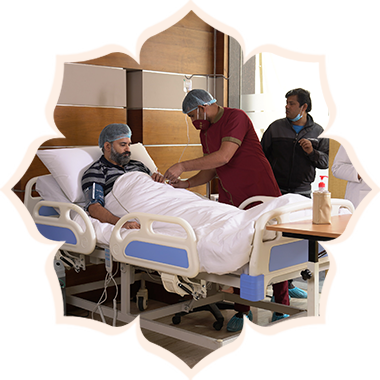
- Passive range of motion (PROM) exercises for both arms and legs.
- Bed mobility training.
- Turning from lying to side-lying.
- Side-lying to supported sitting.
- Assisted straight leg raise exercises.
- Hip abduction and adduction exercises.
- Pelvic bridging exercises.
- Electrical stimulation for both upper and lower limbs.
Phase 2
After one week of therapy, muscle strength improved from 0 to 1 in both upper and lower limbs.
Treatment included:
- Continued PROM exercises.
- Bed mobility practice.
- Sitting training.
- Assisted leg strengthening exercises.
- Knee bending exercises.
- Electrical stimulation.
- Standing practice with support.
Progress Achieved
- Better bed mobility.
- Able to sit with support.
- Began sit-to-stand training with assistance.
Phase 3
By the next assessment, muscle strength improved further from 1 to 2 in all four limbs.
Treatment included:
- Continued PROM exercises.
- Sit-to-stand practice.
- Static standing with support.
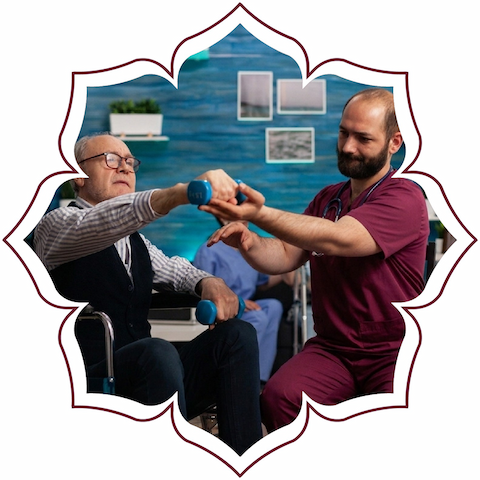
- Strengthening exercises.
- Electrical stimulation.
- Joint vibration therapy.
- Functional mobility training.
Progress Achieved
- Better sitting balance.
- Improved standing ability with four-person support.
- Increased participation during therapy sessions.
Stages of Recovery
Stage 1: Beginning of Rehabilitation
At the start of treatment, the patient had no voluntary movement in his arms or legs. He was completely bedridden and fully dependent on caregivers. Physiotherapy focused on preventing stiffness and maintaining joint movement.
Stage 2: Early Improvement
After one week, small muscle movements were noticed in both the upper and lower limbs. The patient showed improvement in bed mobility and was able to sit with support for short periods.
Stage 3: Functional Recovery
By the third assessment, muscle strength improved further. The patient could maintain supported sitting, perform sit-to-stand with assistance, and tolerate standing with four-person support. These improvements showed that regular physiotherapy was helping him recover gradually.
Rehabilitation Goals
Short-Term Goals
- Improve muscle strength in both arms and legs.
- Maintain normal joint movement.
- Prevent joint stiffness and deformities.
- Improve bed mobility.
- Reduce complications caused by prolonged bed rest.
- Begin simple functional movements.
Long-Term Goals
- Improve voluntary movement.
- Help the patient sit with better balance.
- Progress to standing with support.
- Improve independence in daily activities.
- Improve overall mobility and quality of life
Conclusion
This case shows that early and regular physiotherapy can help patients recover after a severe hemorrhagic stroke with hypoxic brain injury. Although he was completely bedridden and unable to move at the beginning, he gradually showed improvement in muscle strength, bed mobility, sitting balance, and standing with support. Regular assessments helped the rehabilitation team modify the treatment plan according to his progress. While full recovery takes time, continuous physiotherapy plays an important role in preventing complications, improving movement, and helping patients become as independent as possible in their daily lives.