Introduction
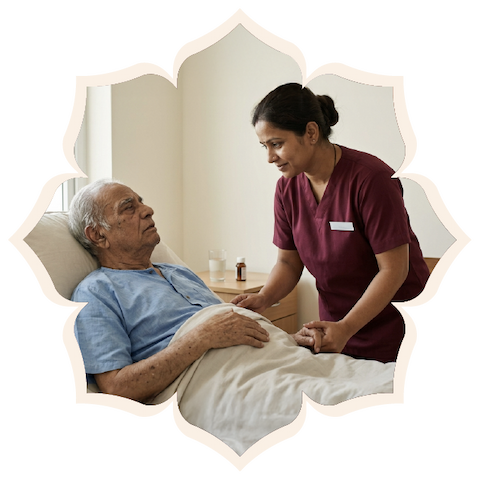
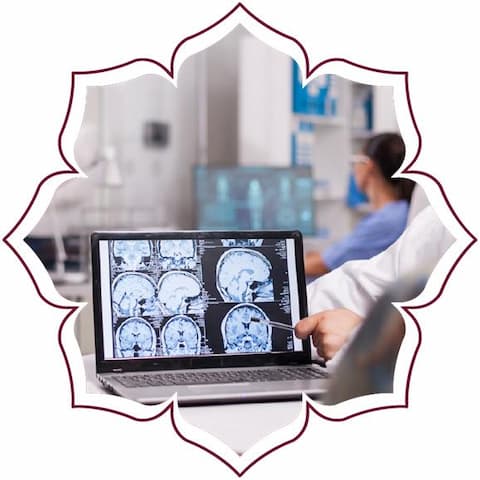
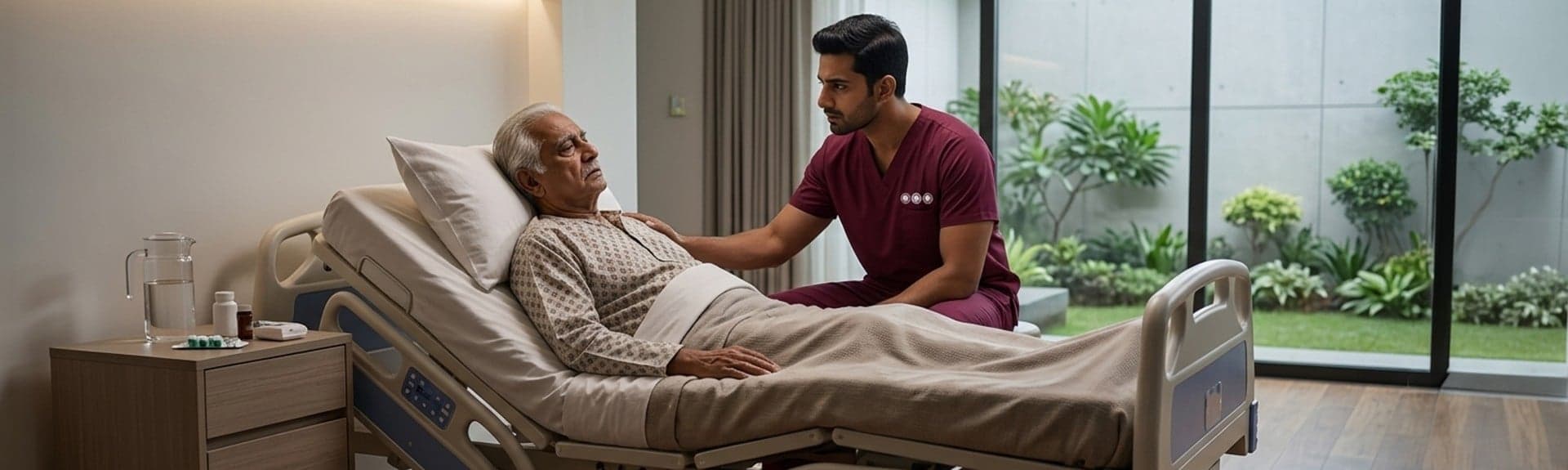
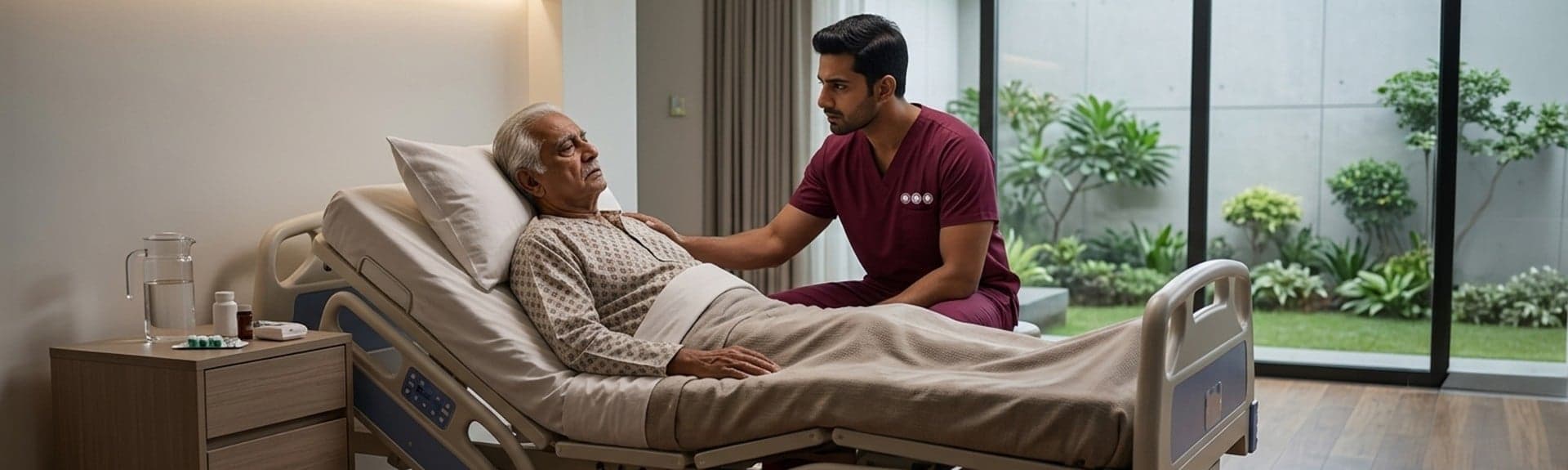
A 73-year-old male was admitted for rehabilitation after suffering a severe brain bleed that affected his movement, speech, swallowing, and ability to perform daily activities. He also developed complications, including a chest infection, urinary tract infection, and reduced awareness, making recovery more challenging. At the time of admission, he was fully dependent on caregivers for mobility and personal care. A personalized rehabilitation plan involving physiotherapy, occupational therapy, and speech therapy was started to help him regain strength, improve functional abilities, and support his journey towards greater independence and a better quality of life.
Understanding the Case
Patient's Condition
A 73-year-old male was admitted for post-operative rehabilitation after experiencing a severe brain bleed (hemorrhagic stroke). The condition affected his movement, speech, swallowing, balance, and overall physical function. He also developed complications such as aspiration pneumonia, urinary tract infection (UTI), and septic encephalopathy, which made his recovery more complex.
Challenges at Admission
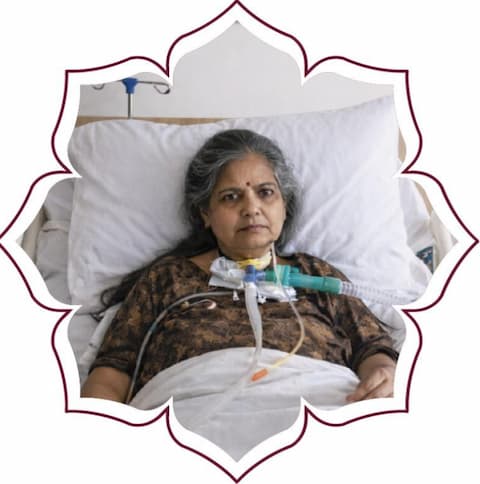
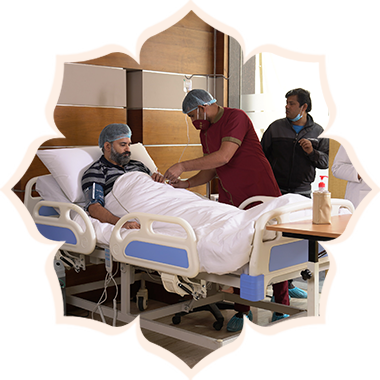
At the time of admission, the patient was completely dependent on caregivers for daily activities. He was unable to sit, stand, or walk independently and had no active movement in his arms or legs. His communication was limited, and he could only respond through eye movements. He also had difficulty swallowing safely, increasing the risk of food or liquids entering the airway.
Rehabilitation Approach
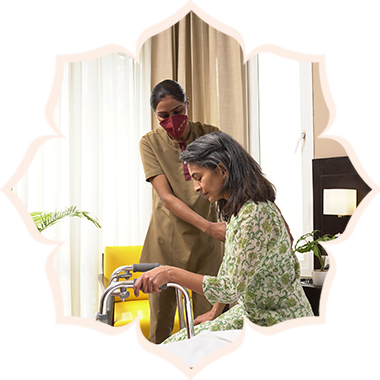
Considering the patient's condition, a comprehensive rehabilitation plan was developed by a multidisciplinary team. Post operative rehab is important for complete recovery. People often think that after treatment rest alone would be able to recover the body, but it's completely different. A rehabilitation plan that includes all kinds of therapies is required. Physiotherapy focused on improving strength, balance, mobility, and walking. Occupational therapy worked on helping the patient regain independence in daily activities such as eating, grooming, and dressing. Speech therapy addressed swallowing difficulties, oral motor function, and communication skills. With consistent therapy, regular reassessments, and personalised care, the patient showed steady improvement across all areas, gradually becoming more independent and functional.
Recovery Approach
The patient's recovery followed a structured and personalized neuro rehabilitation plan designed by a multidisciplinary team. Since the patient had difficulties with movement, speech, swallowing, and daily activities, therapy focused on improving overall function step by step.
Physiotherapy
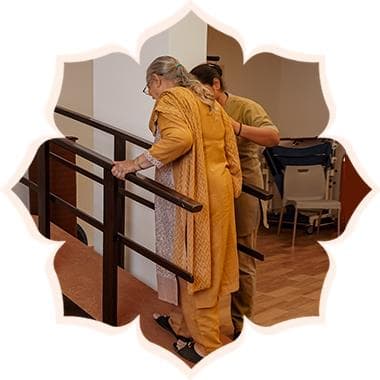
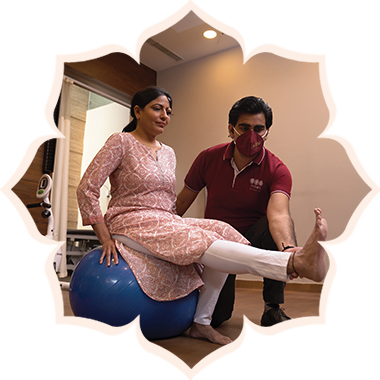
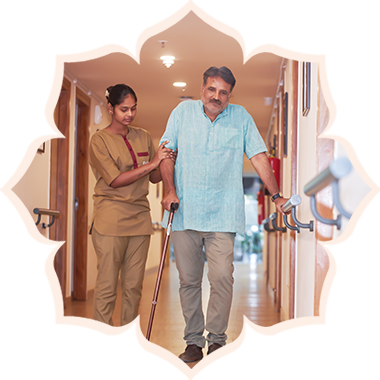
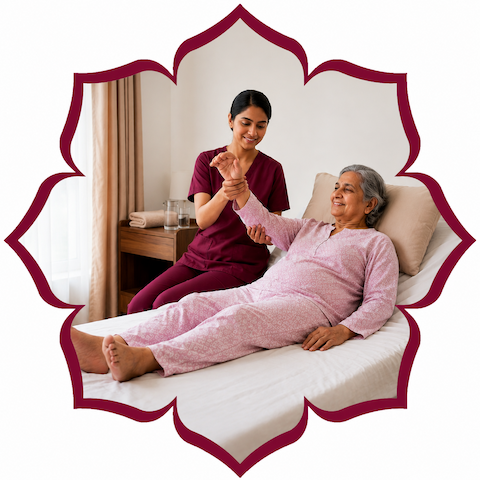
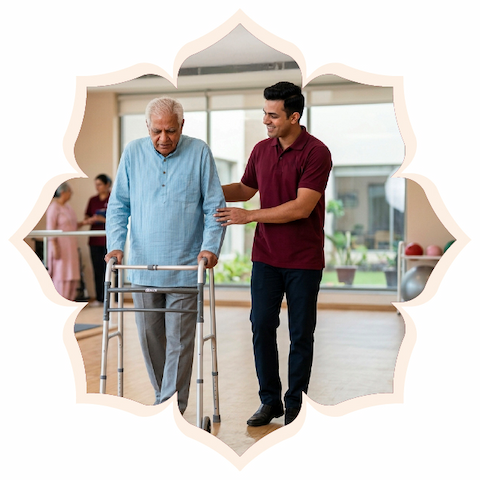
Physiotherapy focused on improving muscle strength, joint mobility, balance, and walking ability. Treatment included range-of-motion exercises, muscle strengthening, bed mobility training, balance exercises, gait training, electrical stimulation, chest physiotherapy, and functional mobility training. As the patient's condition improved, more advanced standing and walking exercises were introduced.
Occupational Therapy
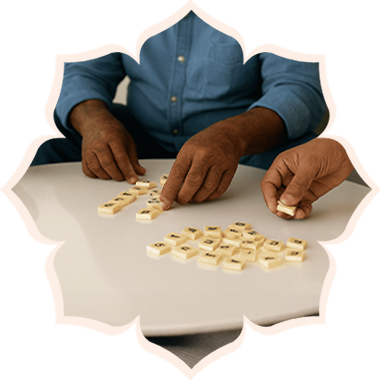
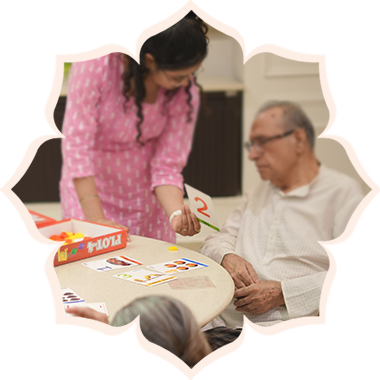
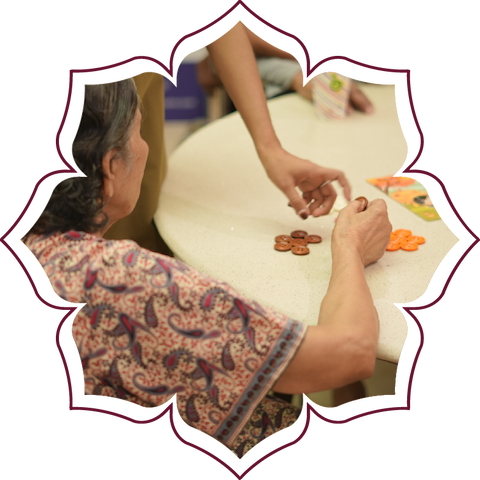
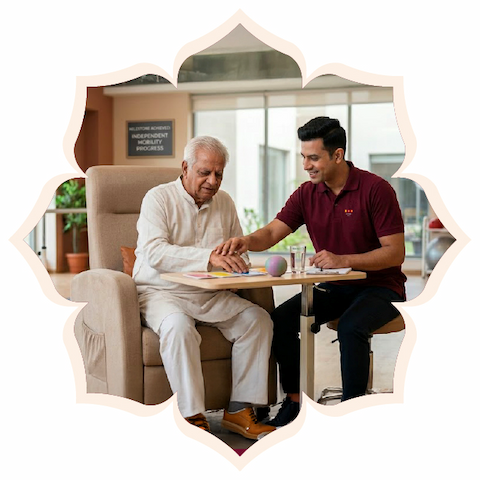
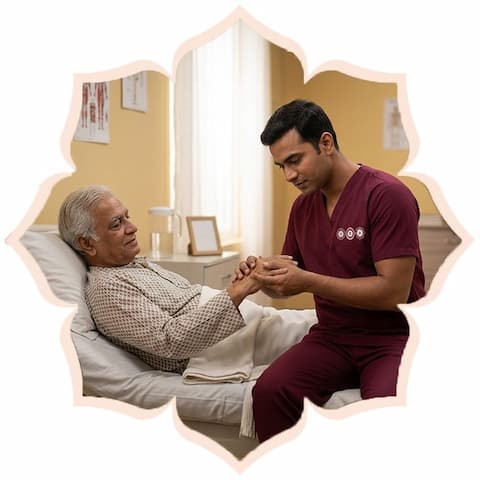
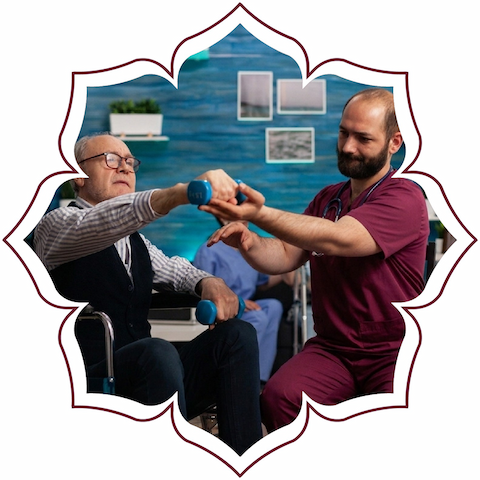
Occupational therapy helped the patient regain independence in daily activities such as eating, dressing, grooming, and brushing. Hand strengthening exercises, balance training, coordination activities, and cognitive exercises were also included to improve functional ability and confidence.
Speech and Swallowing Therapy
Speech therapy focused on improving oral motor function, swallowing, and communication. The patient received oral motor exercises, sensory stimulation, swallowing therapy, and language stimulation to improve safe swallowing, oral control, and the ability to understand and follow simple commands.
Continuous Monitoring and Goal-Based Care
The patient's progress was regularly assessed, and the rehabilitation plan was modified according to his recovery. This personalized and goal-oriented approach helped improve his strength, mobility, communication, swallowing, and independence in daily life.
Rehabilitation Goals
The rehabilitation plan was designed to help the patient recover safely and gradually while improving overall independence. Clear short-term and long-term goals were set to monitor progress throughout the recovery journey.
Short-Term Goals
- Improve muscle strength and joint mobility.
- Maintain and improve the range of motion in the upper and lower limbs.
- Improve bed mobility and sitting balance.
- Enhance swallowing ability and oral motor function.
- Improve the ability to follow simple commands and participate in therapy.
- Prevent complications associated with prolonged immobility.
Long-Term Goals
- Achieve safe standing and walking with minimal assistance.
- Improve independence in activities of daily living such as eating, dressing, grooming, and personal care.
- Restore better balance, coordination, and functional mobility.
- Improve communication, swallowing, and cognitive abilities.
- Increase overall confidence and help the patient return to a more independent and functional lifestyle.
Conclusion
The patient's rehabilitation journey highlights how a structured and PMR led approach can support recovery even after a severe brain injury. Through consistent physiotherapy, occupational therapy, and speech therapy, the patient made steady progress in strength, mobility, swallowing, communication, and daily functional abilities. From being completely dependent on caregivers at admission, he gradually regained the ability to sit independently, stand with minimal assistance, begin walking, and perform several daily activities on his own. His swallowing function and oral motor control also improved significantly, making eating safer and more comfortable. This case demonstrates the importance of personalised rehabilitation, regular reassessment, and continuous support in helping patients achieve meaningful functional recovery and improve their overall quality of life. Antara Care Homes offer safe & comfortable post operative recovery with TPA & Cashless Facility. So, that you can recover like him stress free & hassle-free.